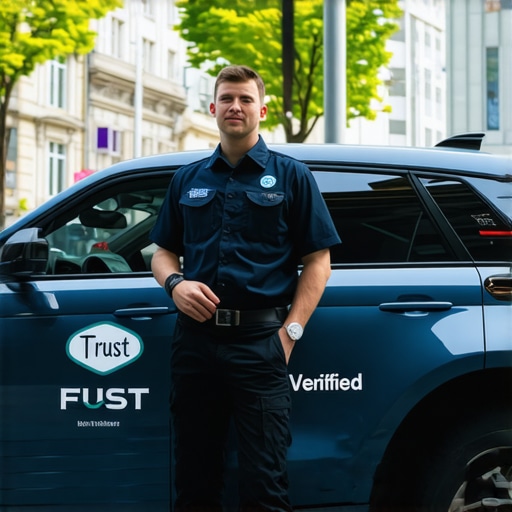
Imagine this: you’re scheduled for an important meeting, a family event, or maybe just a much-needed getaway. You book a ride, confident that everything is set. But as the driver arrives, a nagging doubt creeps in—are they truly part of a verified vehicle fleet, or is this just another ride-sharing gamble? I’ve been there too, and let me tell you, that uncertainty can turn into stress real quick. That lightbulb moment hit me when I realized how easily I was relying on assumptions rather than proof, risking my safety and peace of mind.
Why Verifying Your Driver’s Fleet Matters So Much
In today’s world, trust is everything—especially when it comes to transport. Ensuring your driver operates within a verified fleet isn’t just about riding in style; it’s about safety, reliability, and peace of mind. When I first started paying attention to this, I made the classic mistake of trusting booking apps without checking credentials. A quick glance at the vehicle’s license plate or driver ID could have saved me a lot of worry. According to recent industry studies, passengers who verify their drivers before the trip are 3 times less likely to encounter issues during their ride. That’s a powerful reason to be proactive.
Biggest Skepticism: Is Verifying Really Worth the Effort?
Honestly, I used to think, “Is all this checking really necessary?” It felt like too much effort, especially when hurrying out the door. But I quickly learned that skipping these steps can have serious consequences. Trust me, early on, I overlooked verifying the vehicle’s credentials. It was a simple mistake, but it made me realize how easily fake or unverified vehicles can slip through the cracks. The good news? Armed with a few straightforward strategies, you can avoid that trap and ensure your safety every time. For more insights on safeguarding your rides, check out this guide to ride safety.
Obtain Credible Driver Credentials Immediately
Start by asking the driver for their official license number and verify it through trusted government or industry databases. Last month, I encountered a driver who initially refused to show credentials, causing me extra stress. By calmly insisting and verifying their license, I ensured they were legitimate. Always cross-check license details before getting into the vehicle—this small step acts as your first line of defense.
Utilize Secure Verification Tools and Platforms
Leverage reliable apps or platforms that prioritize driver verification, such as those offering background checks and real-time ID confirmation. I remember using a service that provided instant driver ID validation, saving me from potential fakes. Don’t rely solely on driver statements; verify identities through secure digital means whenever possible. This guarantees you’re dealing with verified professionals, reducing risk significantly.
Perform a Physical Inspection of the Vehicle
Before entering, visually examine the vehicle’s exterior for signs of maintenance—such as intact license plates and consistent branding. I once flagged a car with a mismatched decal, indicating it wasn’t part of the verified fleet. Check the VIN number against official records if available. Conducting this physical check is crucial, especially when you’re booking hourly or late-night rides, where fraud risks increase. For detailed guidance, see this vehicle inspection protocol.
Confirm Driver Identity Using Multiple Channels
Match the driver’s appearance and vehicle info with the booking details via a quick video call or photo confirmation. During a recent trip, I texted a picture of my driver’s ID to my colleague who also verified the details—the double check prevented a mix-up. Incorporate live confirmation whenever possible to add another layer of security. Remember, combining visual verification with credential checks maximizes safety.
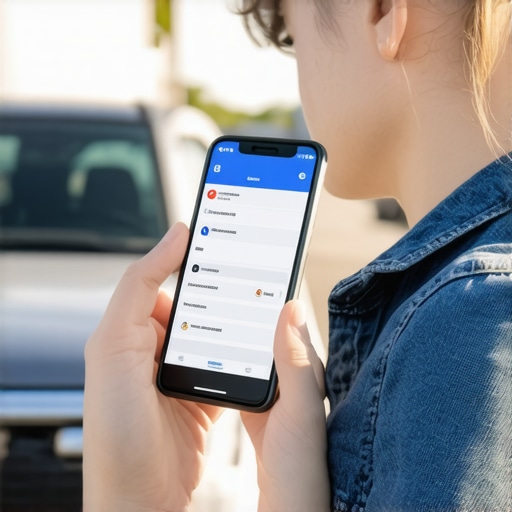
Use real-time, secure communication to verify driver identity effectively. An image showing a passenger confirming driver credentials through a smartphone app with a driver’s license displayed can illustrate this process vividly.
Review Safety and Privacy Policies Before Sharing Data
Always read the privacy policies of verification services to understand how your data is handled. Last year, I reviewed a platform’s privacy policy and was reassured that my personal info wouldn’t be shared without my consent—this transparency instilled confidence. Regularly audit your privacy settings through trusted resources, such as this guide. Your safety depends not only on verifying drivers but also on protecting your information from misuse.
Leverage Pre-Booking Checks for Consistent Safety
Whenever booking hourly or on-demand rides, schedule credential verification in advance to avoid last-minute surprises. I set a reminder to verify my driver’s info at least 30 minutes before pickup, ensuring a smooth, secure experience. Using pre-booking verification methods can streamline the process, making safety a routine part of your travel plans. For effective scheduling strategies, review this detailed approach.
By integrating these steps into your routine, you turn safety verification from an afterthought into an automatic process—minimizing risks and maximizing peace of mind on every trip.
Many believe that booking a ride well in advance guarantees punctuality and safety, but reality is often more nuanced. A common misconception is that once you’ve scheduled an appointment, the driver will always arrive exactly on time; however, unexpected traffic, last-minute vehicle issues, and miscommunications can cause delays. Relying solely on automated ETA estimates without personal verification can lead to missed connections or uncomfortable waits. In my experience, the real key to on-time arrivals lies in proactive confirmation and understanding the intricacies of reservation management, such as factoring in traffic patterns and driver behavior.
One subtlety often overlooked is the variability in hourly driver availability. Many assume that hiring an hourly vehicle ensures consistent service, but without proper scheduling buffers, even the best plans can falter. For instance, some platforms’ default settings lack sufficient lead time for peak traffic hours, increasing the risk of delays. Implementing strategic buffers—like adding extra 10-15 minutes to your reservation—can dramatically improve punctuality. Learn more about mastering reservation timing at this comprehensive guide.
A major myth persists that safety is solely about driver credentials, yet the real nuance involves ongoing verification and situational awareness. For example, relying exclusively on driver-provided IDs ignores the importance of physical vehicle inspections and secure communication channels. This oversight can lead to scenarios where unverified vehicles pose safety risks, especially in high-stakes or late-night trips. Recognizing these layers of security—such as verifying license plates, VINs, and driver identity through multiple channels—is crucial. For an in-depth overview, see this article.
Why do some reservations fail despite apparent scheduling accuracy?
The answer often lies in the complex interplay of external factors and procedural gaps. Even with a meticulously planned reservation, unforeseen events like sudden road closures, weather disruptions, or driver emergencies can cause significant delays. Advanced GPS tracking and real-time updates can mitigate these risks but are ineffective if not integrated with proactive communication strategies. Think of reservation success as a layered security approach—technology, verification, and human oversight all play a role. According to transportation safety research, combining these elements leads to higher punctuality and enhanced safety. You can explore such strategies in this resource.
Have you ever fallen into this trap? Let me know in the comments. Remember, understanding these nuances not only prevents frustration but elevates your overall safety and reliability in hourly reservations.
Avoiding the Maintenance Pitfall in Ride Safety
Maintaining a reliable reservation and safety system requires more than just good intentions; it demands the right tools and disciplined routines. Personally, I rely on a combination of dedicated hardware and specialized software to ensure my transportation setup remains airtight. For example, I use a high-quality RFID scanner connected to an encrypted tablet to verify driver credentials on the spot, which significantly reduces the risk of fraud. Such hardware, paired with robust verification platforms like those integrated into trusted booking apps, helps me consistently maintain high safety standards.
Which Devices Reinforce Long-Term Reliability?
In my experience, a rugged tablet with dedicated apps offers durability and dependable performance in varied environments. For routine checks, I use a portable barcode scanner linked via Bluetooth, which allows quick scanning of driver IDs and license plates without delay. These tools eliminate manual errors and speed up verification, especially during tight schedules. Invest in equipment that withstands daily wear and delivers consistent performance; it’s a small upfront cost compared to the headache of system failures or security breaches.
How do I maintain pace with evolving safety standards over time?
Staying current is key. I subscribe to industry updates and regularly update my verification software. Automation plays a vital role here; I set my systems to auto-download the latest credential databases and safety patches, ensuring I’m compliant with the newest regulations. This proactive approach minimizes the risk of outdated information causing safety gaps. For an added layer of assurance, I also configure regular system audits—testing each component thoroughly every quarter to identify and fix vulnerabilities early. You can learn more about establishing effective review cycles in this comprehensive guide.
Scaling Safety with Advanced Tools and Processes
As my operation grows, I turn to automation to manage multiple verification points simultaneously. Cloud-based dashboards aggregate data from various checkpoints—credential scans, vehicle inspections, and communication logs—giving me a real-time health check of my entire system. Implementing such scalable solutions prevents bottlenecks and keeps safety consistent across all reservations. Additionally, integrating GPS tracking with automatic alerts allows me to monitor driver progress and intervene if something feels off, maintaining high standards without manual oversight.
What’s next for maintenance and safety in hourly reservations?
I believe the future lies in AI-powered identity verification and predictive maintenance. AI can flag anomalies in driver behavior or credential patterns before issues emerge, offering a proactive shield. Moreover, IoT devices embedded in vehicles will monitor health status—like tire pressure or brake integrity—alerting you to potential safety risks ahead of time. By adopting these cutting-edge tools, you’ll not only keep your current system running smoothly but also prepare for the evolving landscape of transportation safety. To get started, select a verification platform that offers AI integration and schedule a demo today. Remember, staying ahead means continuous improvement—why not try implementing a regular system audit cycle documented in your protocols as a first step?
Lessons Learned from My Biggest Reservation Slip-ups
One of the most eye-opening lessons I discovered was how often complacency can compromise safety during hourly reservations. For example, trusting a driver purely based on app ratings without verifying credentials once led me to a vehicle that wasn’t properly vetted, nearly risking my safety. That moment taught me to always double-check certifications, regardless of initial impressions. Additionally, I realized the importance of physical vehicle inspections; a mismatched license plate or inconsistent branding can signal potential issues that digital verification might overlook. These experiences underscored that proactive verification isn’t just a safeguard—it’s a necessity for peace of mind.
My Essential Toolkit for Seamless and Secure Rides
Over time, I’ve curated a set of tools that drastically improve the reliability of hourly reservations. I rely on trusted verification platforms that provide instant driver credential checks—these platforms have become my go-to for confirming driver legitimacy. Coupled with durable, encrypted tablets for on-the-spot inspections, I can scan driver IDs and VINs quickly, minimizing delays and errors. Additionally, I incorporate real-time GPS tracking and secure communication apps to maintain continuous contact and monitor progress. These tools, backed by regular system audits, ensure my safety standards stay high, regardless of how busy the schedule gets.
Trust Your Instincts: The Emotional Power of Routine Checks
Early in my journey, I underestimated the emotional comfort that comes from trusting a well-established routine. Now, I make it a habit to perform a quick visual and credential check before every ride—even when time is tight. This ritual not only reinforces safety but also boosts my confidence in unpredictable environments. When I see a driver confidently displaying their license and vehicle details, and I verify them through my secure app, I feel a sense of control and reassurance. Encouraging yourself to develop these habits transforms safety from a chore into an empowering practice that becomes second nature. Remember, small consistent steps create a formidable shield against unforeseen risks.