I remember the first time I clicked on a ride payment link that looked just a little too good to be true. The excitement of securing that early morning ride quickly turned into anxiety when I realized I might have just handed over my personal information to a scammer. It was a real lightbulb moment for me—since then, I’ve become a lot more cautious. Have you ever faced a similar situation where a link seemed suspicious but you weren’t sure how to tell? You’re not alone, and that’s exactly what we’re going to tackle today.
Why Recognizing Fake Payment Links Can Save Your Day—and Your Data
Let me be honest—clicking on a sketchy payment link can lead to much more than just losing money. It can compromise your personal safety, leak sensitive information, or even give someone access to your accounts. Early in my experience, I made the mistake of trusting an unverified link because it looked legitimate. That slip-up taught me the importance of knowing what to look for before clicking. According to cybersecurity experts, over 30% of travelers report encountering phishing attempts during online transactions, with many falling victim simply because they couldn’t recognize the warning signs (source).
What’s Behind the Scariness of Ride Payment Links?
Many scammy links are designed to look like genuine booking pages. They often mimic the official style but hide malicious intent behind the scenes. My early mistake was trusting the design alone—thinking if it looked professional, it must be okay. But I learned that scammers often use slightly altered URLs or secure-looking logos to deceive users. The key is to develop a keen eye for the subtle signs that set a legit link apart from a fake. We’ll go through practical tips on how to identify these red flags, so you never fall for a scam again. And if you want to ensure your reservations are always safe, check out [reservation security measures](https://privatedriverpro.com/reservation-security-measures-how-to-book-safely-and-arrive-on-time), which provide valuable insights on booking securely. Now, let’s dive into how you can quickly spot a sketchy link before you click.
Check the URL Carefully
Before clicking, hover over the link to see its actual destination. If it resembles the official site but has misspellings, extra characters, or a suspicious domain extension, it’s a red flag. For instance, a legitimate ride service will use domains like “privateoperator.com,” not “privateoperator123.com”. I once received a link that looked familiar but, upon hover, revealed a domain ending with “-scam.net,” which saved me from potential theft.
Scrutinize the Design and Content
Verify if the page design matches the company’s official site. Fake pages often have inconsistent logos, poor image quality, or mismatched fonts. They may also ask for unnecessary information, like your full social security number or bank routing info, which legitimate companies never request during booking. Always cross-reference by visiting the company’s official site directly instead of clicking embedded links.
Look for Secure Connections
Ensure the site uses HTTPS with a valid SSL certificate. A padlock icon next to the URL indicates security. However, some scammers mimic this by adding a fake SSL badge. So, click on the padlock to view the certificate details. If it shows an expired or mismatched certificate, don’t proceed. When I checked a suspicious link, the SSL certificate was invalid, confirming it was unsafe.
Verify the Source of the Message
Check if the message comes from an official email or app notification. Scammers often send impersonation emails or texts with urgent calls to action. For example, a message claiming “Your ride payment failed” with a link introduced doubts when the message wasn’t from the official customer support address. When in doubt, contact the company directly via their verified contact info.
Utilize Security Tools and Resources
Use browser extensions or security software to analyze links. Additionally, services like [reservation security measures](https://privatedriverpro.com/reservation-security-measures-how-to-book-safely-and-arrive-on-time) advise regularly updating your security tools to detect phishing attempts. I installed a plugin that flagged a link as malicious before I could click. This proactive approach may take a minute but protects your data in the long run.
When in Doubt, Confirm Through Official Channels
If a link seems suspicious, contact customer support directly via a verified phone number or official website. Never use the contact info provided within the suspicious message. I once received a fake payment request; calling the company’s verified number cleared up the confusion immediately, saving me from a potential scam.
Practice Consistent Vigilance
Make it a habit to scrutinize all ride payment links, especially during urgent or unexpected messages. Developing this radar will become second nature over time, much like how I now instantly spot altered URLs or suspicious request patterns. Remember, a little skepticism can prevent a major headache, ensuring your safety and your data stay protected.
In the world of private transportation, many believe that sticking to fixed appointment times or hourly bookings guarantees safety and reliability. However, the reality is more nuanced. A common misconception is that stringent scheduling alone can ensure on-time arrivals and security, but this overlooks the complex interplay of human factors, communication, and technological safeguards. For instance, relying solely on estimated arrival times can be misleading—traffic conditions, driver attentiveness, and communication delays all influence punctuality. Studies by transportation safety experts reveal that misaligned expectations often cause stress, even when systems are designed for precision (source).
Maintaining an efficient hourly reservation system requires more than just good planning; it demands reliable tools and a strategic approach. Personally, I rely on a combination of specialized software and consistent routines to ensure each reservation is on time and safe. One tool I find invaluable is Reservation Security Measures — it provides real-time monitoring to flag any suspicious activity and ensures bookings are securely processed (source). Additionally, I utilize calendar integration with manual confirmation processes. This allows me to cross-verify each schedule and quickly adjust to unexpected delays, minimizing missed pickups and late arrivals. Recent advancements in scheduling algorithms predict traffic conditions accurately, enabling proactive adjustments and reducing uncertainty (see the latest on-time strategies). My routine includes daily system audits to verify that all software is up to date and that backup procedures are in place. Being vigilant about updates and backups protects against system failures, which can be costly in both time and reputation.
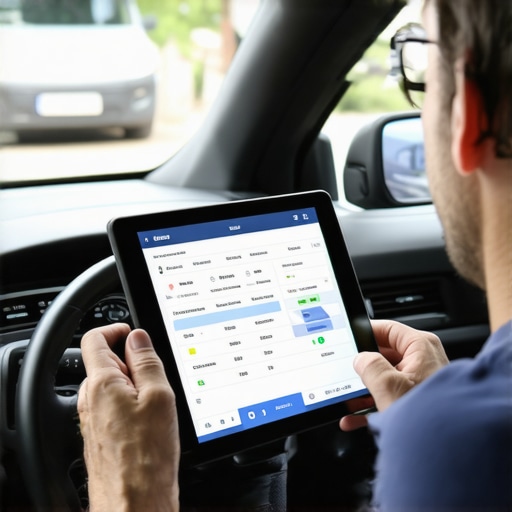
Looking forward, the trend in reservation management is leaning towards AI-driven predictive analytics that can preempt delays even more accurately. These tools will likely become standard, helping operators avoid pitfalls before they happen. To stay ahead, I recommend adopting a proactive mindset: implement advanced scheduling tools, regularly review your protocols, and stay informed on new safety measures. For a deeper dive into maintaining precision and safety, explore this comprehensive guide. If you’re ready to elevate your reservation game, try integrating a real-time monitoring tool and observe how it transforms your operational reliability. Regular practice will cement these habits and ensure your system remains tight, efficient, and secure over time.
What Little Lessons Were Hidden in My Hourly Reservation Journey?
One of the most surprising realizations was how critical it is to verify every detail—assessing not just the driver’s credentials but also the stability of the reservation system itself. A seemingly minor oversight, like neglecting to check the SSL certificate of a booking site, can open doors to risks I couldn’t have imagined at first. Learning to scrutinize URLs and trust my instincts saved me from potential data breaches. These small but potent lessons remind us that in the world of hourly reservations, vigilance isn’t optional—it’s a safeguard that becomes second nature over time.
The Tools, Books, and Insights That Elevate My Scheduling Confidence
My top recommendation is Reservation Security Measures because it offers practical strategies for securing every booking, giving me peace of mind. I also rely heavily on this comprehensive guide—it’s transformed how I plan and adjust reservations proactively. Finally, I trust industry insights and blogs that keep me updated on the latest safety protocols, ensuring I stay ahead of potential issues. These resources collectively strengthen my confidence in managing hourly reservations effectively.
Seize the Moment: Your Journey to Safer, Punctual Reservations Starts Today
Reliable hourly reservations aren’t just a service—they’re a commitment to your safety and peace of mind. With the right knowledge, tools, and proactive habits, you can transform your approach from reactive to anticipatory. Every step you take toward mastering safety measures and punctuality builds a foundation of trust—not just in your systems, but in yourself. Embrace this empowerment, implement what you’ve learned, and watch your reservation reliability soar. The future of secure, on-time arrivals is within your reach—step forward boldly, and make every reservation a success story.