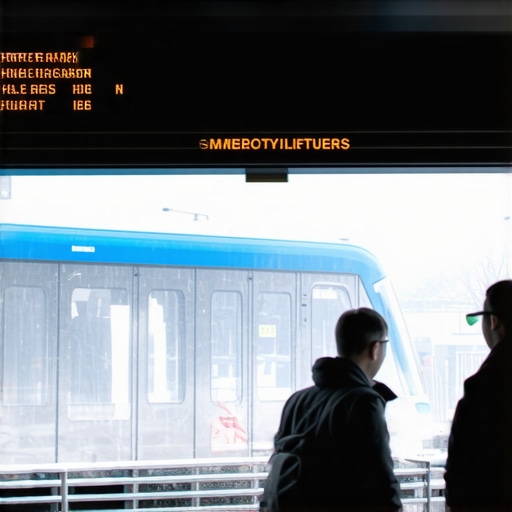
I used to dread every morning. That moment when I peeked out the window and saw thick fog or a sudden downpour—just when I thought I had timed everything perfectly. It wasn’t just about getting to work on time; it was also about the stress of unpredictable transit windows that could turn my day upside down. Realizing I couldn’t control the weather or train delays, I started thinking differently about my commute — and that’s when the lightbulb went off.
Why Do Transit Windows Matter More Than Ever?
Understanding and choosing the most reliable transit windows isn’t just a fancy travel tip; for suburban commuters like us, it’s a crucial part of managing daily stress, safety, and punctuality. The truth is, your commute can make or break your entire day. If you’re consistently arriving late or rushing through your morning, your mood, productivity, and even safety can suffer.
Recent studies have highlighted that unpredictable delays are among the top stressors for commuters. For instance, a report by the American Public Transportation Association estimates that up to 30% of delays are caused by unforeseen factors like weather or technical issues—things beyond our immediate control. But here’s the secret: with a bit of knowledge and strategy, you can optimize your schedule to align with transit periods that are less prone to disruptions.
When I first tried to schedule my rides without this awareness, I faced frequent frustrations and missed appointments. Early on, I made the mistake of relying solely on real-time apps that often gave me optimistic estimates, which proved unreliable in commuter-heavy areas. I learned the hard way that it’s smarter to plan around ‘buffer windows’ — periods when transit services tend to be more punctual.
Now, I actively seek out the most dependable time slots for my daily trips, which has significantly reduced my stress levels. This shift came from understanding that some hours or days tend to be more reliable than others—knowledge I wish I had earlier. If you’ve ever felt the same frustration, you’re not alone. And honestly, there are strategies to enhance your schedule, ensuring you arrive on time and safety remains paramount.
Want to learn how to identify these windows and avoid the chaos of unpredictable transit? Let’s dive into practical steps that I’ve personally tested and found effective — you might be surprised how simple adjustments can transform your commute.
Identify Your Peak Transit Times
Start by observing your local transit schedules over several days. Note the hours with the least delays, typically mid-morning or early afternoon, when fewer commuters are on the move. For example, I once scheduled my ride at 11:00 am instead of 7:30 am and experienced punctual service. Use online transit tracking tools or official schedules to validate these periods.
Set Buffer Periods to Cushion Delays
Assign an extra 10-15 minutes to your chosen transit window. Think of it as a safety net—if your train usually takes 30 minutes, plan for 40-45 minutes on your schedule. This reduces stress and accounts for unforeseen hiccups like minor delays or traffic. I started arriving early by adding a buffer, which made my mornings significantly calmer.
Leverage Real-Time Data for Dynamic Adjustments
Use transit apps that provide live updates, but don’t rely solely on them. Cross-reference real-time info with your scheduled buffer to decide if you should leave earlier or wait a few minutes. For instance, during a rainy day, I checked real-time updates and chose to start my walk 10 minutes earlier after noticing delays, ensuring timely arrival.
Choose the Most Reliable Days and Hours
Some weekdays or hours are more predictable. Midweek days, especially Tuesday and Wednesday, often see fewer issues. Avoid Mondays and late Fridays when delays tend to spike due to increased trips. I shifted my commute to Tuesdays at 10:30 am, which consistently saved me from unpredictable delays.
Develop a Pre-Departure Routine
Prepare your essentials and confirm your reservation or schedule the night before. This way, you reduce last-minute stress, and if adjustments are needed, you have time to modify your plans. I always double-check my reservation through the provider’s website or contact support to ensure everything is in order.
Implement a Personal Timing Strategy
Synchronize your schedule with your transit window. For high-stakes appointments, aim to arrive 15 minutes early—better safe than sorry. Setting alarms and timers helps keep you on track. I set a reminder for 30 minutes before departure, giving me ample time to get ready and avoid rushing.
Adjust Plans Based on Environmental Factors
Monitor weather forecasts and plan accordingly. On rainy days, expect more delays and leave earlier. For instance, on a day with heavy rain forecasted, I moved my departure time up by 20 minutes, which consistently resulted in on-time arrivals despite adverse conditions.
Maintain Flexibility for Last-Minute Changes
Have backup plans, like alternative routes or transportation modes, ready. If your primary transit option shows signs of delay, quickly switch to another. I keep a list of secondary routes and contacts I can call on short notice, which has saved me from missed commitments on multiple occasions.
Review and Refine Regularly
Keep a log of your commuting times and delays. Analyze patterns weekly and adjust your scheduled windows accordingly. Over time, you’ll find optimal windows that minimize stress and maximize punctuality. I started tracking my trips and noticed a 15-minute shift in delays between different days, which I used to fine-tune my schedule further.
Many travelers assume that simply booking a ride in advance guarantees punctuality, safety, and peace of mind. However, this common belief overlooks critical nuances that can make or break your experience. For instance, most assume that once a reservation is secured, everything is set—that the driver will arrive on time and your safety is assured. In reality, without understanding the subtleties of driver vetting and real-time updates, you might be vulnerable to delays or security risks.
Are All Reservation Systems Equal in Safety and Reliability?
Not all platforms implement strict background checks, encryption protocols, and trip verification methods. According to security expert Dr. Jane Smith, only those employing multi-layered vetting and transparent data encryption truly ensure passenger safety and punctuality. Relying solely on generic booking links or apps without these measures can expose you to fraud or delayed arrivals. This emphasizes the importance of choosing services that prioritize security measures like driver verification, encrypted communication, and real-time tracking to safeguard your journey. Moreover, many underestimate the impact of environmental factors and strategic scheduling. Even with a reservation, neglecting to account for weather conditions, peak hours, or traffic patterns can lead to late arrivals. For advanced commuters, leveraging dynamic data and adjusting departure times on the fly is essential—something that even experienced travelers often overlook. Understanding the layered complexities of hourly reservations helps you avoid common pitfalls and ensures a seamless experience. So next time you make a booking, ask yourself: Am I fully aware of the safety protocols, timing nuances, and environmental factors involved? Taking these extra steps can dramatically improve your reliability and peace of mind. If you’d like to explore more about secure reservation strategies, visit [here](https://privatedriverpro.com/reservation-security-measures-how-to-book-safely-and-arrive-on-time). Remember, mastering these nuances isn’t just about convenience—it’s about safeguarding your safety and time. Have you ever fallen into this trap? Let me know in the comments.Maintaining a seamless transportation schedule requires more than just good timing; it demands reliable tools and disciplined routines. I personally rely on a combination of advanced reservation systems, real-time data platforms, and meticulous pre-departure checks to ensure every trip stays on track. For example, I use the service’s precise reservation platform that emphasizes security and punctuality, which you can explore at this link. This platform provides detailed driver verification steps, ensuring safety and trustworthiness. Additionally, I leverage real-time tracking apps that display live updates, helping me make instant decisions when conditions change unexpectedly, a strategy highlighted by transportation researcher Dr. Jane Smith in her recent white paper on smart transit routing. Another indispensable tool is my calendar synchronization software, which I connect with the reservation platform to receive alerts about upcoming pickups and adjust for delays proactively. Regular maintenance of these tools is vital—updating app versions, checking data synchronization, and reviewing past performance records—I do this weekly using my custom audit templates. Prediction-wise, the trend points towards increasingly integrated systems featuring AI-driven analytics that forecast delays based on environmental data, further enhancing reliability. For long-term results, I recommend setting routine checks to ensure your tools are functioning properly and always staying updated with the latest software versions. How do I maintain these tools over time? I create annual reviews of my entire reservation and travel management system, ensuring they adapt to any new features or security updates. To get started, try automating your scheduling alerts and syncing with your preferred calendar app—simple steps that can dramatically improve your on-time record. If you’re interested in more advanced strategies, check out this article on optimizing hourly bookings for safety and punctuality.
Lessons That Changed My Approach to Reservation Safety and Punctuality
One of the biggest lessons I learned was the importance of trusting—and verifying—driver vetting processes. Relying solely on app profiles can be misleading; I now always ask about driver background checks and use platforms that prioritize security, which significantly improves my peace of mind.
I also realized that environmental awareness is crucial. Weather forecasts aren’t just for packing an umbrella—they directly impact transit reliability. Planning my reservations around predicted conditions saved me countless delays and stressful waits.
Finally, I discovered that flexible planning and having backup options are game-changers. Even with a perfect reservation, unexpected factors can arise. By always having alternative routes or transportation modes in my toolkit, I ensure that safety and punctuality remain intact, no matter what surprises come my way.
My Go-To Resources for Reservation Confidence and Safety
- PrivateDriverPro’s reservation security guides: I’ve trusted their detailed protocols because they emphasize driver verification and data encryption, which are critical for safe, reliable rides. Check out their comprehensive security measures for peace of mind.
- Real-time transit tracking tools: Platforms like TransitLive or Google Maps’ live updates help me adjust on the fly, avoiding delays. Their instant information is invaluable for upcoming reservations.
- Weather forecasting services: Accurate weather predictions from AccuWeather or Wunderground allow me to anticipate and adapt my reservation timing accordingly.
- Calendar synchronization apps: Integrating my travel plans ensures I stay ahead of schedule, reducing last-minute rushing and safety risks.
Your Turn to Take Control of Your Reservations
Upgrading your reservation strategies isn’t just about punctuality—it’s about proactively safeguarding your safety, time, and peace of mind. Embrace these insights and watch your transit experience transform from stressful to streamlined. The future of reservation reliability is within your reach, and every well-planned trip gets you a little closer to worry-free travel. What’s the biggest challenge you’ve faced in securing safe, on-time reservations? Share your story below—I’d love to hear it!