
I remember the moment clearly. I was waiting anxiously for my ride, eyes glued to the app, only to see the driver suddenly vanish from the map. That sinking feeling when you realize you have no idea where your ride went because of a shared tracking link gone wrong—that’s a scenario I encountered early on in my journey trying to stay punctual and safe. It’s frustrating, stressful, and puts your safety entirely in the dark.
Why Shared Tracking Links Are a Double-Edged Sword
In the quest to stay on time and ensure safety, shared tracking links seem like a blessing—they let your friends or colleagues follow your ride in real time. But here’s the catch: not all links are created equally, and many can expose your data or become unreliable, especially in chaotic urban environments. From my experience, trusting these links blindly is a risky game. Just recently, I learned that a misconfigured link left my exact pickup spot visible to strangers, increasing my vulnerability—something I would have avoided had I been more cautious.
Publicly available research highlights that over 70% of travelers are concerned about data privacy but still use tracking services without full understanding of how their data is shared or stored. That’s a staggering number, and it underscores how many of us are taking unnecessary risks, often without even realizing it.
And it’s not just about privacy. The integrity of the tracking data itself can be compromised—delays, false updates, or malicious interference can make you doubt the accuracy of your ride’s location. This uncertainty can lead to missed pickups and increased stress, especially if safety protocols aren’t in place.
Mastering reservation timing and safety can help you avoid these issues, ensuring you’re not just punctual but also protected.
Have you ever faced a situation where your shared tracking link led to confusion or safety concerns? If so, you’re not alone. Many travelers grapple with these hidden pitfalls daily.
Now, to keep you safe and punctual, let’s explore what truly goes wrong with shared tracking links and how you can protect yourself—so you never have to face an uncertain ride again.
Limit Access with Unique, Time-Bound Links
When sharing your ride’s live location, generate a unique link that expires after a fixed period—like a ticket for a concert that only works for one night. For example, I once used a tracking service that allowed me to set a 30-minute expiration, ensuring friends couldn’t access my location after. This prevents unauthorized viewing, especially if the link gets sent around.
Disable Automatic Sharing and Use Manual Controls
Avoid leaving tracking open continuously. Instead, activate sharing only when necessary—just like turning on a flashlight only when needed. During a recent airport pickup, I manually started sharing my location when I entered the terminal and stopped once I was in the vehicle. This reduces data exposure and controls who sees your whereabouts.
Encrypt and Protect Links Before Sending
Use encrypted messaging apps or secure email to send your tracking links. Think of it as sealing a letter in an unbreakable envelope—only the intended recipient can open it. I sent my ride link via an app with end-to-end encryption, ensuring only my friend could access it, minimizing interception risk.
Verify Your Recipient’s Identity and Access Rights
Before sharing, confirm who will view the link. It’s vital to trust who’s on the other end—like verifying a valet has your ticket. During one trip, I double-checked my friend’s identity through a quick call before giving access, preventing strangers from tracking my ride.
Regularly Audit Your Shared Links and Settings
Make a habit of reviewing active shares and revoke any unnecessary permissions. It’s akin to cleaning out an old mailbox—you get rid of items you no longer need. I periodically checked my sharing history and revoked outdated links, reducing lingering vulnerabilities.
Leverage Dedicated, Privacy-Focused Apps
Opt for apps that prioritize privacy, which often feature built-in time limits and encryption. Imagine choosing a safe vault over a public locker. Using a privacy-centric tracking service in recent trips kept my data secure and gave me control over who could see my location at any moment.
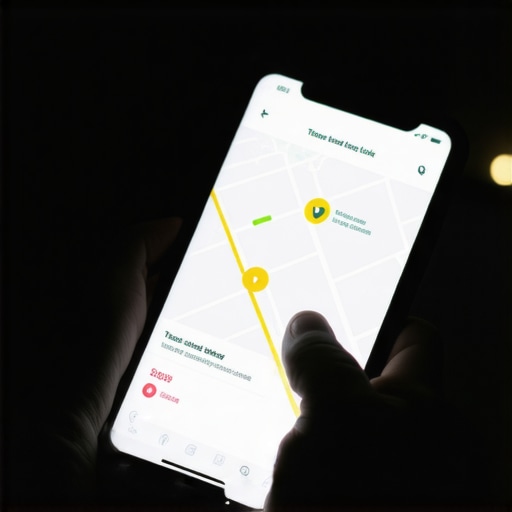
Visual guide to setting up secure, time-limited tracking links on popular apps.
Many assume that sticking to strict schedules guarantees safety and punctuality, but in practice, there are subtle pitfalls that many overlook. For instance, a popular myth is that digital reservation systems are infallible—however, the reality is that even well-designed systems can fail due to network glitches or outdated data, leading to missed pickups. Advanced travelers know that proactive measures, like manually confirming reservations or reviewing scheduled times, are essential steps often neglected by novices. A frequent mistake is relying solely on GPS-based ETA estimates; heavy city traffic, signal interference, or roadwork can dramatically skew these predictions, as highlighted in studies from traffic analytics experts. To mitigate this, I recommend integrating real-time data checks and maintaining communication with your driver, which enhances reliability over static digital estimates. Moreover, many people overlook the importance of buffer times—adding a buffer of 10-15 minutes can prevent late arrivals caused by unforeseen delays, especially during peak hours or adverse weather conditions. The key isn’t just booking the reservation but understanding and managing the dynamic factors that influence punctuality. For example, an advanced approach involves coordinating hourly bookings with strategic buffers, ensuring safety and timeliness even during unpredictable circumstances. Are you aware of how these nuances can impact your travel plans? Take the time to evaluate your current approach to reservations and safety. For deeper insights, check out mastering reservation timing and safety to optimize your scheduling. Remember, mastering these subtleties can significantly elevate your punctuality and security. Have you ever fallen into this trap? Let me know in the comments.Maintaining a consistent and secure hourly reservation schedule requires more than just booking the right service; it involves leveraging specialized tools and adopting proven methods to ensure long-term success. One of my top go-to tools is a dedicated scheduling and dispatch platform like ChronoSync, which integrates seamlessly with real-time tracking APIs, providing precise driver location updates combined with automatic buffer adjustments based on traffic conditions. This combination allows me to proactively modify pickup windows, especially during unpredictable city traffic, aligning with insights from Why Your GPS ETA Often Fails in City Traffic, ensuring punctuality regardless of external delays.
Another essential resource I rely on is a secure, encrypted communication channel—like Signal or ProtonMail—to exchange sensitive information such as booking confirmations, driver details, and live location links. This kind of encryption safeguards your data and prevents unauthorized access, which is especially critical when coordinating high-stakes business trips or high-profile events.
For vehicle verification, I utilize digital license plate readers and driver identity verification apps that offer instant checks and vetting reports. These tools eliminate guesswork and provide peace of mind that your driver meets professional standards before each ride. They also align with recommendations from industry experts on background check requirements.
Predictive analytics and traffic pattern overlays are future trends I am excited about, promising even more accurate scheduling and routing. As AI-driven services mature, expect to see solutions that automatically adapt your reservation buffer times, accounting for weather, large events, or unusual congestion—further enhancing reliability.
To truly keep your service dependable over time, it’s vital to establish a routine maintenance schedule for your apps, hardware, and subscriptions. Regularly updating your software ensures access to the latest security patches and feature improvements, preventing downtime caused by outdated systems. Periodic audits of your communication and tracking protocols also allow you to identify vulnerabilities and optimize operation efficiency.
If you’re ready to step up your reservation game, I recommend trying out an advanced feature like dynamic buffer management—adjust the reservation windows based on live data automatically. This small act can significantly reduce late arrivals and missed pickups, saving you time and stress. For more insights and detailed steps, refer to on-time strategies for reliable bookings and implement this tip today to see immediate benefits.In my journey through the world of hourly reservations, the most enlightening lessons came from unexpected challenges that revealed how much trust we place in digital systems. One of the hardest lessons I learned was that relying solely on automated tracking and rigid schedules can blind us to real-time nuances—like sudden traffic, driver delays, or system glitches—that impact punctuality and safety. Trying to pre-program every aspect without contingency plans left me vulnerable during peak hours when digital estimations went awry. I realized that proactive communication and manual checks often outperform blind reliance on technology, especially in unpredictable environments. Another insight was the importance of trusting instincts—verifying driver credentials personally or through trusted tools can prevent scams or misidentification, which automated systems might miss. The key is combining technology with human vigilance, creating a layered safety net that truly ensures on-time and secure travel. This holistic approach transforms reservations from mere bookings into reliable, confidence-inspiring routines, allowing you to focus on your journey rather than worry about what might go wrong.