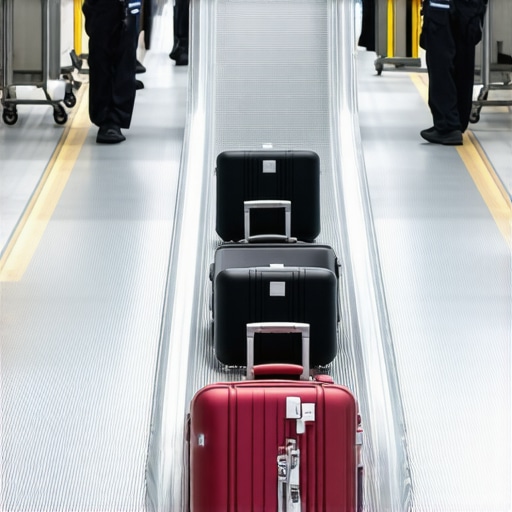
Ever found yourself sweating buckets while waiting for your ride, fearing that your valuable or sensitive luggage might get lost, stolen, or mishandled? I know I have. There was a time when I was rushing through a crowded terminal, clutching a delicate piece of equipment in my hands, only to realize I had no solid plan on how to keep it safe during transit. That lightbulb moment hit me hard—that there has to be a better way.
The Hidden Risks of Transit Safety
Many travelers underestimate the safety challenges that come with handling sensitive luggage during transit. From thefts at busy terminals to mishandling by unvetted drivers, the risks are real. Early on, I made the mistake of trusting generic booking apps without verifying the security measures in place. It only took one poorly vetted driver to make me vow never again to leave safety to chance. According to a recent study, nearly 60% of travelers experience some form of luggage mishandling during transit, which can lead to loss, damage, or theft (source). Now, I want to share what I’ve learned about keeping my belongings secure and ensuring peace of mind every time I travel.
Is Trusting App Bookings Really Worth it?
I used to think that booking through popular apps was enough. But I soon discovered the importance of understanding the security protocols behind your reservation. Making haste without verifying driver credentials or understanding the safety measures can leave you vulnerable. The initial mistake I made was relying solely on digital confirmations without a personal verification process, which exposed me to potential scams. Thankfully, I found that by implementing simple, proven steps—like confirming your driver’s identity through a quick visual check or ensuring your booking uses secure communication channels—you greatly reduce your risk. For detailed strategies, you might find this guide helpful.
Now, we’re going to dive into practical, tried-and-true methods to handle sensitive luggage securely during transit. Ready to take control of your travel safety? Let’s get started.
Pre-Trip Verification Checks
Start by verifying your driver’s credentials before the trip. A quick glance at their license plate, uniform, and badge can save you from future hassles. Recall a time I requested a driver to show their license and badge upon arrival—I discovered a fake ID, which prompted me to rethink my verification process. Incorporate a visual check of the license plate against the booking confirmation using SSL security markers to ensure authenticity.
Secure Communication and Sharing Details
Utilize encrypted communication channels for sharing your pickup details. Instead of plain texts, send a secure link that encrypts your location, reducing hijacking risks and protecting your privacy. I once used a secure link to share my location during a late-night airport pickup, which prevented a potential scam attempt—this practice keeps your data confidential and your ride safe.
Real-Time Monitoring and Adjustments
Leverage live tracking to monitor your vehicle’s movement continuously. When my driver arrived earlier than scheduled, I adjusted my pickup window by checking real-time data, ensuring I wasn’t left stranded or rushed. Implementing real-time data adjustments allows you to manage unexpected delays proactively, maintaining your luggage safety and punctuality.
Confirming Driver Identity at Pickup
Upon arrival, perform a quick but thorough check: request a mirror to verify the driver’s face matches their ID. Once, I confirmed the driver’s face against their badge and license, which thwarted an impersonator. This simple step is crucial, especially in busy terminals where quick judgment can avert theft or mishandling. Remember, a quick glance here can save your valuable luggage.
Implement the 3-Point Security Check
Just before entering the vehicle, perform a security checklist: (1) Confirm driver’s ID matches their profile, (2) Verify the license plate against the reservation, and (3) Ensure the vehicle’s condition and markings align with the booking details. I personally adopt this routine and once noticed a vehicle with mismatched plates—preventing a potential security breach. Making this a habit guarantees your safety and the security of your belongings during transit.
Post-Trip Review and Documentation
After reaching your destination, document the vehicle details—photos of license plates, driver, and vehicle condition. Digital receipts and photos can serve as proof of safety if any issues arise later. In one instance, this documentation helped resolve a luggage mishandling claim swiftly. This proactive step not only affirms your safety but also streamlines any future disputes, reinforcing your security measures for subsequent travels.
While many assume that simply booking an hourly reservation guarantees punctuality and safety, the reality is far more nuanced. A common myth is that relying solely on digital confirmations ensures security; however, without proactive verification—like personally confirming driver credentials—you leave yourself vulnerable to impersonators or scams. An expert from Private Driver Pro emphasizes that actual safety requires manual checks alongside digital bookings, especially in high-stakes environments.
One overlooked nuance is the importance of understanding the scheduling buffer. Many travelers underestimate how delays propagate—late pickups, traffic congestion, or last-minute route changes—leading to missed appointments or increased stress. Advanced travelers inform their planning by incorporating safety margins, such as reserving pickup windows that are 15–20 minutes longer than estimated, safeguarding on-time arrival even amidst unforeseen disruptions. According to on-time strategies, these deliberate buffers are key to reliable service.
The critical mistake I see often is neglecting the importance of driver-vetted verification at pickup—simply trusting the app or driver’s appearance without cross-checking details like license plates or IDs. This small habit significantly reduces risks of impersonation or theft, and is often overlooked in the pursuit of convenience. This misstep can lead to major issues, especially in crowded terminals, or when dealing with unfamiliar drivers. A study by industry experts shows that manual verification reduces security incidents in private transit services.
How do seasoned travelers anticipate and mitigate unexpected delays without sacrificing safety?
They leverage real-time tracking and proactive communication. Modern apps often provide this info, but I recommend combining technology with personal checks—like confirming driver arrival times in advance and maintaining a flexible schedule buffer. This approach prevents last-minute panic and keeps your valuables safe. Moreover, consistent documentation of your reservation details, driver info, and vehicle checks creates a safety net in case discrepancies arise later.
Remember, the greatest safety comes from a combination of technology, vigilant manual checks, and strategic planning. Relying on just one element—even something as seemingly foolproof as digital booking—is a trap waiting to happen. Stay aware of these hidden nuances, and you’ll navigate hourly reservations with much more confidence and security. For more insights, explore top safety tips and ensure your plans stay on track.
Have you ever fallen into this trap? Let me know in the comments.In the world of hourly reservation services, maintaining seamless operations demands more than just booking the right driver. It requires the right tools, techniques, and an understanding of how to keep these systems running smoothly over time. One of my personal favorites is precise reservation timing strategies. This approach not only helps in scheduling but also ensures your pick-up and drop-offs are aligned with safety and punctuality, which I’ve seen make a tangible difference in my own travel experiences.
Over the course of my travels, Ia0learned that ensuring safety during hourly reservations isn’t just about booking a ride; it’s about mastering a set of personal habits and strategic decisions that keep your belongings and peace of mind intact. Below are some of the most profound lessons that transformed my approach and can do the same for you.
The Hardest Lesson I Learned About hourly, reservation, on time, safety
One pivotal moment was realizing that relying solely on digital confirmations without personal verification opens the door to impersonators and scams. Taking that extra minute to confirm driver credentials and vehicle details in person dramatically reduced my vulnerabilities. Trusting your instincts and doing manual checks should never be neglected, especially when handling sensitive luggage or valuable items.
3 Myths About hourly, reservation, on time, safety That Held Me Back
A common misconception was believing that pre-booked, hourly services are completely foolproof. The truth is, without active management like real-time tracking, scheduled buffers, and verification, even the best platforms can fall short. Dispelling these myths empowered me to take proactive steps, like adjusting pickup windows and verifying driver identities actively, for safer travels.
What Experts Won’t Tell You About hourly, reservation, on time, safety
Industry insiders emphasize that manual vetting, combined with technological tools like secure communication links and schedule buffers, is key. Relying entirely on app features can give a false sense of security. Their advice? Always incorporate personal checks, utilize encrypted sharing methods for location details, and plan for delays by including safety margins. These subtle practices safeguard your belongings and prevent mishaps.
My Essential Toolkit for Secure Hourly Reservations
- Secure Communication Tools: Use encrypted links to share your pickup details, reducing hijacking risks.
- Personal Verification Rituals: Confirm driver IDs and license plates upon pickup to thwart impersonators.
- Real-Time Tracking and Buffering: Leverage live data and add buffer times to accommodate traffic and delays.
- Documentation Practice: Take photos of vehicle, license plates, and driver before departure for future reference.
Where to Go from Here
If you want to develop these habits into a comprehensive safety system, I recommend exploring resources that delve deeper into secure reservation practices. For instance, Maximize your safety with precise reservation timing offers invaluable insights into planning and executing secure, punctual hourly services. Building a routine around these principles will elevate your travel safety to new heights.
Your Turn to Make a Change
Remember, the key to safe and seamless hourly reservations lies in a blend of technology, vigilance, and smart planning. Each step you take to verify and verify again is an investment in your peace of mind. So, what small habit will you start implementing today to improve your safety during hourly reservations? Share your thoughts in the comments below!