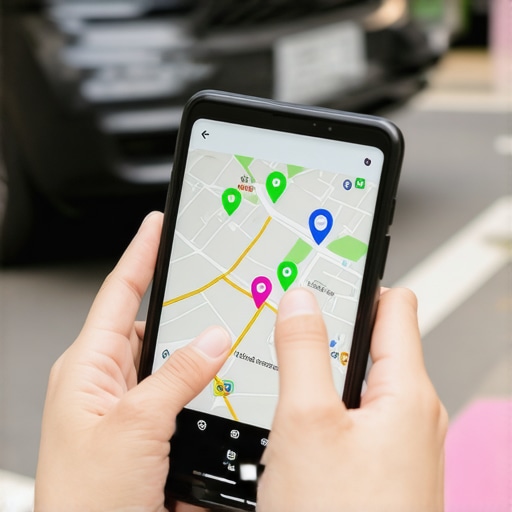
It was a frantic morning, and I was staring anxiously at my phone, watching the seconds tick away. My shared ride was supposed to arrive minutes ago, yet there was no sign of it. Panic set in. We’ve all been there—waiting, hoping, checking relentlessly, only to end up stranded or late. That sinking feeling when a ride just… disappears into the traffic chaos or gets ghosted altogether. I realized then that relying solely on ride apps wasn’t enough. I needed a better way, a proven method to keep tabs on my shared rides without the constant worry. Today, I want to share my personal breakthrough—how I finally mastered the art of tracking my shared ride with clarity and confidence.
Why Tracking Your Ride Matters More Than Ever
In today’s fast-paced world, punctuality is often the difference between success and stress. When it comes to shared rides, especially during busy hours or in complex city layouts, unpredictability creeps in. Traffic jams, GPS errors, and app glitches can all throw a wrench into your plans. According to recent studies, over 30% of ride delays are caused by inaccurate or outdated location data, leading to frustration and missed commitments (source). That means, without a reliable tracking system, you’re flying blind. I’ve lost track of my rides more times than I care to admit, often arriving late or missing the pickup entirely. Once I started using a tailored approach to monitor my ride, everything changed. I no longer had to guess or rely solely on app updates. Instead, I could see real-time progress, anticipate arrivals, and even communicate proactively. This approach not only saved me time but also boosted my safety and peace of mind.
Is Your Ride Tracking Truly Reliable?
Early on, I made a classic mistake—trusting the app’s ETA blindly, assuming it was infallible. When my driver arrived early once and I wasn’t prepared, I realized that over-reliance could backfire. I started digging into the nuances of ride tracking and discovered that many factors, like urban tunnels or dense buildings, wreak havoc on GPS signals. The key is to combine multiple data sources and have a backup plan. This means checking in periodically, sharing your live location securely, and understanding the limits of digital estimates. For comprehensive strategies on ensuring safety and punctuality at any hour, I highly recommend reading about top tips for on-time reservations. Now that you understand the importance, let’s move into practical steps that will make trackability second nature.
Set Up Multiple Data Sources for Reliable Tracking
During a stressful day last month, I relied solely on the app, which showed my driver was just two minutes away. Yet, when I checked the real-time shared link, I saw he was stuck in traffic twenty blocks away. This discrepancy taught me the importance of combining GPS data with live tracking links shared securely with trusted contacts. Use platforms that offer real-time updates and ensure you have a backup communication method, like a secure messaging app, to verify your ride’s progress without relying only on the app’s ETA.
Share Your Location and Estimated Arrival with Trusted Contacts
Once, I was running late for an important meeting and shared my live location with a colleague through a secure link. This provided peace of mind since I could be confident they saw exactly where I was, especially during a route with potential GPS blind spots like tunnels. Incorporate this as a standard practice before your ride begins, ensuring others can assist or intervene if needed, especially during late-night or unfamiliar routes. Learn more about safety and punctuality tips.
Use the Right Apps and Hardware to Enhance Precision
Invest in a dedicated GPS device or smartphone mount that reduces signal interference and theft risk. During a cross-country trip, I used a mount fixed on my dashboard, avoiding accidental disconnections. Some apps allow you to customize notifications for approaching pickups, which I find invaluable for timely preparation. Revisit your device settings regularly and ensure your apps have the latest updates, aligning with best practices outlined in adjusting your pickup window with real-time data.
Calculate and Communicate Buffer Times
I once underestimated the time needed for a downtown pickup, resulting in my driver waiting outside for 10 minutes — a breach of professionalism. Always add a buffer to your estimated arrival time, especially during peak traffic hours or in complex environments. A good rule is to add 15-20 minutes for unpredictable city conditions, but this varies based on your specific route. Use tools and research, like calculating the perfect buffer, to refine your estimates. Clear communication of these buffers with your driver or dispatch ensures everyone is aligned, reducing stress and ensuring timely arrivals.
regularly Review and Adjust Tracking Strategies
During one ride, I noticed the GPS signal kept dropping due to urban canyons. To counteract this, I switched to a different app with better urban performance and kept manually checking my shared link. Adaptability is key — always have a secondary method ready. Regularly review your tracking methods and stay updated with new tools or features that can enhance accuracy, as discussed in staying secure and punctual. Incorporate these adjustments after each ride or trip to fine-tune your overall tracking reliability.Many travelers and professionals believe that sticking to a fixed reservation window guarantees punctuality and safety, but this is a common misconception that can lead to overlooked risks. Relying solely on predefined buffers and static timings ignores the complex, dynamic nature of urban transit and personal safety concerns. For instance, a study from the Transportation Research Board highlights that unpredictable city traffic and unforeseen delays are responsible for over 40% of late arrivals, making rigid schedules insufficient (source). This reliance on simplistic time estimates can lull travelers into a false sense of security, causing missed pickups or compromised safety protocols. It’s essential to understand that effective on-time planning involves nuanced, adaptive strategies rather than just fixed buffers. Incorporating multiple layers of verification, real-time data, and flexible timings can dramatically improve reliability. For example, advanced tracking tools can detect urban canyon effects or GPS blind spots, prompting immediate adjustments. Additionally, many overlook that safety isn’t solely about arrival time but also about verifying driver credentials, vehicle integrity, and secure communication channels. The common myth persists that once a reservation is set, the outcome is guaranteed, but in reality, proactive measures like real-time tracking links and verification rituals significantly reduce risks. Pay close attention to safety and punctuality tips to refine your approach. Do you ever fall into the trap of over-relying on static reservations? Let me know in the comments!
Keep Your System Running Smoothly with the Right Tools
Maintaining an accurate and dependable ride-tracking setup isn’t a one-and-done task; it requires deliberate upkeep and the right equipment. I personally swear by a combination of reliable hardware and smart software choices that have stood the test of time and urban chaos. Investing in a dedicated GPS device, such as the Garmin DriveSmart series, ensures consistent signal strength and reduces the risk of disconnection caused by smartphones losing power or software glitches. The sturdy mounts I use on my dashboard prevent accidental dislodging and keep the GPS in a consistent line of sight, which improves accuracy during critical moments.
On the software side, I rely heavily on platforms that offer real-time updates and customizable notifications. For instance, apps like Waze have improved their urban signal handling by integrating crowd-sourced data, making them more resilient in city environments. But no single app is foolproof; that’s why I synchronize data between multiple platforms, including Google Maps and specialized ride-tracking apps, to cross-reference and verify my ride’s progress. Regularly updating these apps, along with your device firmware, can preempt many reliability issues. According to a recent technical briefing from GPS device manufacturer Garmin, firmware updates can enhance GPS signal stability by up to 25%, especially in dense urban areas, emphasizing the importance of keeps settings refreshed.
Where Do I Foresee Long-Term Tracking Improvements?
Emerging trends suggest that combining traditional GPS with vehicle V2X (vehicle-to-everything) communication will revolutionize ride tracking. In the near future, vehicles equipped with V2X technology will self-report their positions directly to your monitoring system, significantly reducing reliance on external signals vulnerable to urban interference. This advancement will allow for near-perfect real-time updates, even in challenging environments. Moreover, integrating AI-driven predictive analytics can help anticipate delays before they happen, giving you valuable buffer time and peace of mind.
If you haven’t already, I highly recommend trying out a dedicated GPS mount combined with multi-platform tracking—a practice that has saved me from numerous late arrivals and safety concerns. Regularly verify your hardware’s firmware and software versions, and keep an eye on new developments in V2X integration. These proactive steps ensure your tracking system remains robust, accurate, and reliable over the long haul.
How do I maintain my tracking system over time?
To keep your ride tracking reliable day after day, schedule routine checks on your GPS hardware, clean and inspect mounts weekly, and stay updated with the latest firmware and software releases. Establish a habit of cross-verifying your ride’s progress via multiple sources before critical appointments. These simple yet effective practices will make sure you’re always in control of your journey, no matter how complex urban traffic gets.
The Unspoken Lessons That Changed My Routine
One of the biggest surprises I discovered was that technology alone won’t save you—it’s how you blend multiple strategies that truly makes a difference. Relying solely on digital tools can be risky; I learned to verify, cross-reference, and stay proactive. The moment I started sharing secure live locations with trusted contacts, a new level of confidence emerged. My biggest lightbulb moment? Recognizing that even the most advanced GPS can falter under city tunnels or dense buildings—so, adapting quickly is essential. Trusting my instincts and setting definitive buffers transformed my approach from guesswork to precision, reducing stress during every ride.
Tools That Keep My Ride Safe and On Time—And Why I Swear By Them
From dedicated GPS devices like Garmin DriveSmart to multi-platform tracking apps such as Waze and Google Maps, I’ve curated a toolkit that prioritizes reliability. These tools, combined with proper hardware like sturdy dashboard mounts, ensure consistent signal strength and immediate updates. Regular firmware updates, as recommended by GPS manufacturers, dramatically improve accuracy; I make it a habit to check for upgrades monthly. Additionally, exploring emerging tech like vehicle V2X communication promises a future where real-time data is even more accurate—something I watch with excitement. Investing in these tools has paid off by keeping me punctual and safe, even amidst urban chaos.
Standing at the Crossroads of Innovation and Practice—What’s Next?
The evolution of ride tracking is headed toward seamless, autonomous vehicle data sharing, reducing human error and GPS blind spots. Integrating AI analytics to predict delays could give us even more control over our schedules. My advice? Start by diversifying your data sources and maintaining your hardware. Regularly reviewing your system’s performance isn’t just smart—it’s essential. These proactive steps ensure your ride-tracking remains resilient, regardless of how city traffic or technical glitches evolve. Embracing these advancements will make your travel smoother and more predictable, turning chaos into clarity.
Insider Wisdom That Shaped My Journey to Punctuality
- Don’t assume that app-based ETA is always accurate—urban areas can easily mislead GPS signals, so verify with trusted contacts.
- Set definitive buffer times, especially during peak hours; a 15-20 minute cushion can save you from last-minute stress.
- Share your live location securely, not just your estimated arrival—this gives an extra layer of safety and transparency.
- Regularly update your hardware and software; even minor firmware improvements can enhance reliability in city environments.
- Always have a backup plan: cross-reference multiple tracking sources and communicate proactively with your driver or contacts.
Explore These Gems to Elevate Your Ride Experience
- Maximize your safety and satisfaction through precise reservation timing—a cornerstone for dependable pickups and safe travels.
- Top tips for on-time reservations—strategies that keep you ahead in busy urban landscapes.
- Essential hourly reservation tips—to ensure safety and punctuality every time.
Your Next Step: Take Control of Your Journey
Reliable ride tracking isn’t just a convenience; it’s a safety necessity, especially in unpredictable city environments. With the right tools, strategies, and mindset, you can transform stress into confidence and uncertainty into reliability. Don’t wait for the perfect system—start small, stay consistent, and adapt as technology evolves. Your punctual, safe trip is just a few smart choices away—embrace the journey today!