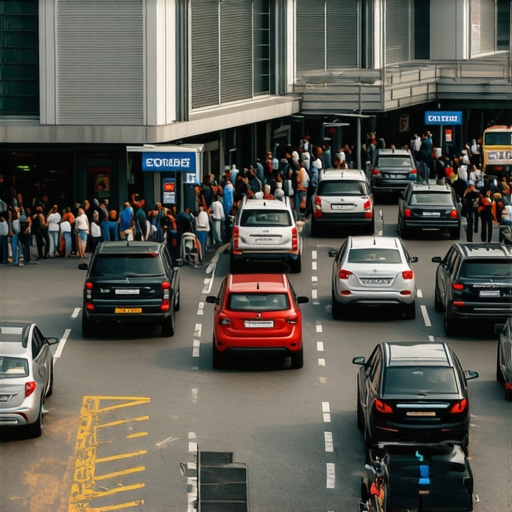
I remember the last time I missed my airport transfer during rush hour. It was a nightmare—stress, missed flight, and the sinking feeling of trusting the wrong timing. That lightbulb moment when I realized I hadn’t accounted for the unpredictable urban traffic and the importance of a proper buffer changed everything for me. Since then, my approach to airport transfers during busy times has been revolutionized, all thanks to understanding a simple but vital principle: the Critical Buffer Rule.
Why You Can’t Afford to Ignore the Buffer in Rush Hour
There’s a hidden trap most travelers fall into—believing that a 10-minute window for pickup or drop-off is sufficient. But anyone who’s experienced city traffic during peak hours knows this isn’t reality. Traffic congestion, ground stops, and unexpected delays can throw your schedule into chaos. The Critical Buffer Rule is about leaving room—lots of room—so you’re not scrambling when delays inevitably happen. Trust me, a well-planned buffer can be the difference between a relaxed morning and a frantic dash to catch your flight.
Is Buffering Enough to Save You From Late Arrivals?
Early in my days of booking airport transfers, I made the mistake of relying solely on app ETA estimates. These traffic-prone tools often gave overly optimistic predictions. That’s when I learned the hard way—actual conditions rarely match digital predictions. Incorporating a buffer, grounded in real-world experience and strategic planning, saved me countless times. Want to avoid my early mistake? [Learn how to reserve your spot safely and always stay on time](https://privatedriverpro.com/reserving-your-spot-how-to-guarantee-safety-and-punctuality-24-7).
So, what exactly makes the Critical Buffer Rule so effective? It’s simple—anticipating delays, especially during rush hours, and adjusting your reservation to include extra time. It’s a proactive approach that ensures your journey remains smooth, even when city traffic behaves unpredictably. Now, I’ll share the secrets to mastering this rule and how to incorporate it into your travel routine for ultimate peace of mind.
Calculate Your Buffer Time Accurately
Start by analyzing your typical travel conditions. Recall a specific airport transfer where traffic was unexpectedly heavy. For example, during a recent trip, I faced a massive traffic jam around the downtown area. To buffer against such delays, I added an extra 30 minutes to my usual 45-minute estimate, making it a full hour. This adjustment ensured I arrived on time despite the congestion. Use your past experiences and traffic reports to estimate realistic delays and add a safety margin.
Choose Routes With Built-in Flexibility
Don’t rely solely on navigation apps. During a busy morning, my GPS suggested the fastest route, but I knew from experience that it often skips local traffic snarl-ups during rush hour. Instead, I pre-select alternative routes with known quicker passages or less congestion. This way, if one route gets blocked, you can switch smoothly without losing precious time. Think of it as keeping multiple escape routes open in case one traps you.
Reserve Your Ride Well in Advance
Time your reservation strategically. Once, I booked my airport transfer just an hour before departure, but the driver was stuck in traffic and arrived late. Now, I reserve at least 2-3 hours ahead, especially during peak hours or holidays. Use services that offer flexible booking windows and guarantee safety and punctuality, like those detailed in this guide. Think of your reservation as your safety net—better to have it early than to chase an available slot last minute.
Communicate Your Buffer Needs Clearly
Notify your driver about potential delays and your planned buffer time. A friend once told me she informed her driver she might be delayed by 20 minutes due to heavy traffic, which allowed the driver to adjust and wait without stress. Many premium services enable real-time updates or direct communication, ensuring everyone stays aligned. This transparency minimizes miscommunication and keeps your schedule intact.
Monitor Real-Time Conditions and Adjust as Needed
Stay informed during your wait. Use live traffic updates or GPS tracking to watch how conditions evolve. If you see congestion clearing or worsening, communicate with your driver or dispatch to adapt your plan. I once noticed a traffic jam easing, so I asked my driver to take a slightly longer but less congested route, saving time overall. Integrating live data into your planning transforms a static buffer into a dynamic safety system.
Practice Consistent Timing Habits
Build a routine of leaving early for airport pickups. Even on days with normal traffic, arriving 30 minutes early creates peace of mind. When I started habitually adding time, I stopped feeling stressed about minor delays, and my overall experience improved. It’s like planting a seed—small consistent habits cultivate punctuality and reduce last-minute panic. Consider setting alarms or reminders that prompt you to leave well ahead of schedule.
Leverage Technology and Professional Services
Utilize reputable private transfer services that prioritize punctuality with safety features. Look for providers offering guaranteed pickup windows, real-time tracking, and secure booking protocols, like those outlined in this resource. These services often have trained drivers who understand the importance of buffers and adaptive routing, providing peace of mind that last-minute delays won’t ruin your day.
< >
>
Many travelers operate under the assumption that their pre-booked reservation is a foolproof solution to arriving on time and ensuring safety. However, **conventional wisdom often oversimplifies the complexities** involved in maintaining punctuality and security, especially during peak hours or complex itineraries. Let’s demystify some of these misconceptions and shed light on what truly influences your ride reliability.
What Most People Get Wrong About Reservation Reliability
The widespread belief is that once you’ve secured a reservation, you’re protected from delays. In reality, this overlooks critical nuances like driver availability fluctuations, traffic unpredictability, and the importance of choosing a reputable service that emphasizes safety and punctuality. Relying solely on booking confirmation emails without understanding their limitations can leave you vulnerable to unexpected hiccups. To truly guarantee your safety and on-time arrival, it’s essential to consider factors such as driver vetting, real-time updates, and flexible rescheduling options, as discussed in this comprehensive guide.
Moreover, many assume that hourly reservations automatically account for unforeseen delays. But, without incorporating strategic buffers and selecting providers with transparent policies, delays can cascade, jeopardizing your schedule. Advanced booking strategies that include built-in buffers can mitigate this risk, reinforcing the importance of expert planning and service quality.
Why Overlooking the Nuance of Traffic and Driver Behavior Can Break Your Plans
There’s a common myth that traffic conditions are always accurately reflected in navigation apps. Yet, studies show that real-time traffic data can be flawed, especially in complex urban environments or underground parking structures, leading to miscalculations. Additionally, driver behavior—such as adherence to safety protocols, familiarity with local routes, and communication skills—plays a crucial role in delivery times and safety. An unwell-trained driver or one unfamiliar with the route can unintentionally cause delays or compromise safety standards.
For instance, trusting a generic app estimate without cross-verifying with local insights or direct communication can cause unexpected lateness. This highlights the importance of engaging with services that prioritize transparent communication, driver vetting, and adaptive routing, as outlined at this resource.
To sum up, understanding the layered factors behind punctuality and safety requires going beyond the surface. It’s about integrating real-world knowledge, strategic planning, and choosing reliable providers. Are you guilty of neglecting these nuances during your last booking? Let me know in the comments!
Remember, mastering these subtle details can make all the difference in ensuring a stress-free, secure journey—no matter how busy the city gets.
Invest in the Right Equipment for Peace of Mind
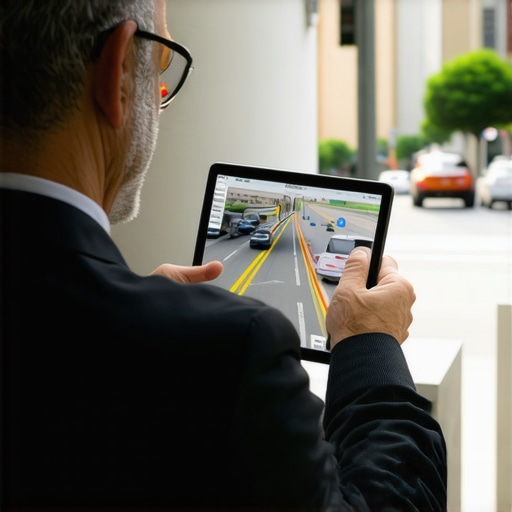
Having reliable tools at your disposal is essential to maintaining punctuality and safety in your reservations. I personally recommend using a dedicated smartphone mount to keep your device accessible and stable during transit. This prevents distractions and ensures your GPS and communication apps are always within reach. Additionally, a portable power bank is invaluable; running out of battery during a crucial moment can jeopardize your entire schedule. I never leave for a reservation without ensuring my devices are fully charged and connected to a power source.
Software That Keeps Your Plans on Track
For real-time updates, I rely heavily on a dedicated reservation management app. This tool consolidates your booking details, driver contact info, and live tracking data into one interface. I prefer platforms that offer automatic alerts for delays and allow quick rescheduling. Automating these aspects reduces human error and keeps me informed, especially during unpredictable traffic conditions.
Methodical Scheduling and Buffering
Beyond tools, I adopt a personal method of strategic buffering. I analyze past experiences and current traffic reports, then carve out extra cushion time—often 30 to 45 minutes—for critical reservations. This proactive approach has saved me from late arrivals countless times. For example, during peak holiday seasons, I intentionally reserve my rides at least 3 hours in advance and incorporate a buffer aligned with the latest safety standards. Always remember, the goal is to deliver a margin that accounts for city unpredictability.
Future Trends and the Growing Need for Automation
Looking ahead, I believe integration of AI-driven scheduling systems will further enhance the reliability of hourly reservations. These systems will analyze live traffic data, driver availability, and personal preferences to optimize pick-up times dynamically. Already, some providers incorporate predictive analytics to project potential delays and suggest alternatives proactively. As technology advances, your ability to maintain a flawless schedule will increasingly depend on adopting these intelligent tools.
How do I maintain my reservation tools and processes over time?
Regularly updating your software and checking your equipment are fundamental to long-term reliability. Schedule monthly audits of your apps and devices to ensure they work smoothly. Moreover, stay informed about updates and new features that can improve your experience. Connecting with customer support or dedicated account managers, when available, can help you troubleshoot issues before they disrupt your schedule. Remember, a proactive maintenance routine preserves your trust in the system and minimizes unexpected failures. For more insights, explore how simple schedule adjustments can make a difference. Try implementing a monthly check-in on your devices and software today to keep everything running seamlessly.
The Hidden Lessons I Wish I Knew About Punctuality and Safety in Hourly Reservations
- Never underestimate city traffic—my early lessons showed that delays are inevitable, and a small buffer can save your trip from chaos.
- Overconfidence in digital ETA estimates can be costly; real-world experience and strategic buffers are your best allies.
- Pre-planning multiple routes isn’t just smart—it’s essential during unpredictable rush hours to keep your schedule intact.
- Early reservations act as insurance. Booking well in advance with trusted services ensures you’re covered when delays occur.
- Clear communication with your driver about potential delays maintains trust and flexibility during your journey.
My Top Tools and Resources for Reliable, Safe Transportation
- PrivateDriverPro’s reservation management app is my go-to for real-time updates and automatic delay alerts, helping me stay ahead of traffic challenges.
- Regular device maintenance and software updates are crucial—staying connected and informed is half the battle won.
- Safety standards and vetting protocols from trusted providers give me peace of mind, knowing my driver is qualified and reliable.
- Exploring expert guides on protective equipment and secure sharing methods, like privacy policies, strengthens my overall safety strategy.
Embrace Your Journey: Taking Control of Every Ride
Remember, the key to stress-free, safe, punctual travel lies in proactive planning, strategic buffering, and trusting the right resources. The more you fine-tune your approach, the more reliable and relaxing your trips become. Take charge today—invest in your safety and peace of mind, and transform your travel experiences into seamless adventures. What’s one change you’ll try first to improve your punctuality during busy hours? Share your thoughts below and let’s learn together!
,