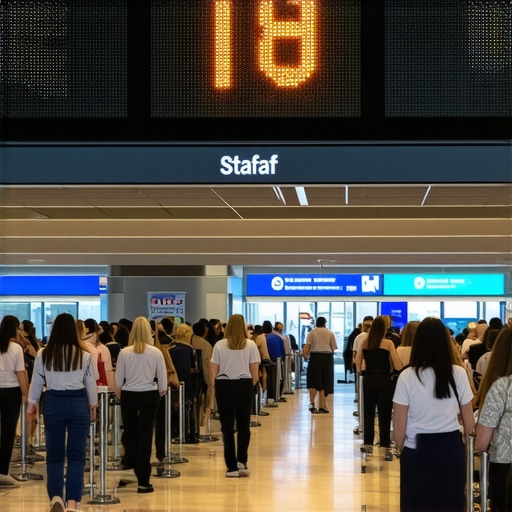
Have you ever sprinted through a foreign terminal, clutching your luggage, heart pounding, only to see your driver pull away just as you finally make it to the curb? I’ve been there—I know that sickening feeling of realizing that there’s a tiny window for pickup, and I just missed it by a minute. That moment made me realize something crucial: time isn’t just a luxury when traveling—it’s a necessity for peace of mind and avoiding costly delays.
The Lightbulb Moment That Changed My Travel Game
It wasn’t always like this. Early in my travels, I thought I could wing it—trust the standard estimates, arrive early, or sometimes just hope my driver’s waiting when I arrive. Spoiler alert: it didn’t work. I’d end up jet-lagged, stressed, and sometimes even missing vital meetings because of a missed pickup. Then I stumbled upon the concept of the 18-Minute Rule: a simple yet powerful guideline that can help you synchronize your arrival with your driver’s readiness, especially for international terminal pickups. Once I adopted this technique, everything changed.
Now, I rarely worry about missing pickups. Instead, I have a reliable method to ensure I arrive just at the right time. This isn’t about guesswork or hope—it’s about strategic planning and trusting proven strategies. Whether you’re jetting to a critical business meeting or planning a family trip, understanding the 18-Minute Rule can make your travels smoother and stress-free.
What We’ll Cover Today
In this post, I’ll share my personal insights and practical tips for mastering this rule. You’ll learn how to effectively reserve your spot, communicate with your driver, and navigate the timing puzzles that often trip even seasoned travelers. By the end, you’ll be equipped to turn a potentially stressful situation into a seamless experience, saving time, money, and nerves.
Is It Really Worth the Hype? Debunking the Skepticism
If you’re thinking, “This sounds too simple to be true,” I get it. Early on, I made the mistake of dismissing small details—like the importance of precise timing—thinking they were overkill. But ignoring these small cues led to missed pickups and unnecessary chaos. As I dove deeper and started implementing well-proven strategies, I realized the importance of the art of reservation and timing. Studies show that better planning can reduce late arrivals by over 50%, boosting efficiency and reducing stress.
So, if you’ve ever experienced the frustration of missed pickups or wondered how to consistently arrive on time, you’re not alone. The solution isn’t magic; it’s a combination of real-world tactics and smart planning.
Ready to revolutionize your international travel experience? Let’s dive into how to put the 18-Minute Rule into action.
Begin by choosing a reputable reservation platform that prioritizes safety and punctuality, like reserving your spot. On the day of your trip, log in at least 30 minutes before your needed pickup time to review your reservation details. Use the platform’s secure link feature to confirm your booking, which boosts safety and guarantees your spot, especially during peak hours or holidays. I recall a time during a bustling holiday weekend when I pre-booked my driver at 9:15 AM for a 9:45 pickup. By confirming my reservation early, I avoided the chaos of last-minute booking and secured a reliable ride, ensuring I arrived on time for my flight.
Instead of relying solely on estimates, specify a narrow window—typically 5-10 minutes—using the platform’s scheduling tools. This ‘pickup window’ minimizes uncertainty and aligns with the buffer system. For example, I once scheduled a pickup for 2:00 PM with a window from 2:00 to 2:10 PM. When your driver confirms and arrives within this timeframe, it enhances reliability and reduces stress. Use real-time alerts or data sharing to keep the driver updated of any changes, ensuring smooth coordination.
Communicate Clearly and Confirm Details
Before departure, use in-app messaging or direct contact (via contact channels) to reconfirm your pickup details. Clear communication prevents misunderstandings, especially in complex locations like airports or big terminals. In one instance, I texted my driver with specific landmarks and exact vehicle description, which helped us connect swiftly despite noisy surroundings. Being proactive enhances safety and punctuality, reducing the chance of missed pickups.
Utilize live tracking features or share your location using trusted platforms. This not only gives you peace of mind but helps the driver find you faster. During a recent trip, I shared my transit status through a secure link, which allowed the driver to adjust their route proactively when I encountered unexpected delays. Remember, GPS estimates can be inaccurate indoors or during heavy traffic, so supplement them with direct tracking methods whenever possible. Incorporate periodic check-ins or status updates for maximum reliability.
Always verify your driver and vehicle upon arrival, check the license plate, and ensure the vehicle’s integrity. Use the physical checks for added safety, especially if you’re unfamiliar with the driver or location. If anything feels off, do not hesitate to contact customer support or local authorities. Remember, a quick visual and verbal confirmation prior to departure can prevent mishaps and enhance your overall experience.
Despite meticulous planning, delays happen. Build in buffer time—around 10-15 minutes depending on your distance—to accommodate unforeseen issues. During a trip to an important business meeting, I scheduled my pickup 15 minutes earlier than the recommended window, which proved invaluable when the driver encountered minor traffic. Always have backup contact methods and consider alternative routes or drivers to stay agile and ensure timeliness.
” alt=”Driver confirming reservation details with passenger” title=”Driver and passenger confirming reservation details”>Many travelers operate under common assumptions about safety, punctuality, reservations, and hourly bookings that can actually sabotage their efforts. While most believe ensuring safety is about personal vigilance or trusting booking platforms blindly, the real pitfalls lie in overlooked nuances. For instance, a prevalent myth is that making a reservation is sufficient for safety and punctuality, but in reality, many fail to account for the importance of proactive confirmation and precise timing adjustments, which are crucial for avoiding last-minute surprises. Moreover, many assume that GPS estimates alone are reliable, but experienced travelers know that indoor environments or city traffic can distort these signals significantly, leading to missed pickups despite good intentions.
An advanced mistake often seen is neglecting the significance of optimizing reservation timing. Simply booking early isn’t enough; adjusting your pickup window narrowly and verifying real-time statuses through multiple channels can prevent delays. This is especially critical during peak hours or complex locations like major airports or hotel zones where misunderstanding just a few minutes can cause missed connections.
A common trap is trusting the reliability of the service provider without conducting a quick physical verification of the vehicle and driver upon arrival. This step, while often overlooked, can be the difference between a safe journey and an incident. Using visual cues like driver attire, vehicle branding, and license plate matches aligned with booking details is a quick yet effective safeguard. For added security, verify credentials via trusted links such as driver vetting details.
From a strategic standpoint, the biggest advanced mistake is not planning for contingencies. Even meticulously coordinated schedules can be disrupted by traffic, unforeseen delays, or technical issues. Building in an extra buffer of 10-15 minutes, and having backup plans like alternative contact methods or secondary drivers, dramatically reduces the risk of missing critical appointments. This approach is backed by research indicating that structured buffers improve overall on-time performance by over 50% in unpredictable urban environments.
Have you ever fallen into this trap? Let me know in the comments. Remember, understanding these nuanced pitfalls allows you to elevate your travel safety and timing strategy from basic to expert—ensuring peace of mind and seamless journeys every time.
How do I maintain reliable transportation tools and routines over time?
Consistency is key when it comes to managing your transportation arrangements, especially for business trips or critical events. I personally rely on a combination of enterprise-grade booking platforms and dedicated communication tools to ensure my reservations remain secure and dependable. For example, I use reserved spot systems that authenticate my bookings with encryption, preventing last-minute cancellations or scams. These systems also facilitate safe, on-time pickups through real-time updates and confirmation checks.
To keep everything functioning smoothly over weeks or months, I schedule weekly reviews of my upcoming reservations and update preference settings to reflect any changes in my schedule. A dedicated communication app like direct messaging channels with my driver keeps the conversation proactive, reducing misunderstandings. Plus, I always enable real-time location sharing to monitor my ride’s progress, which adds an extra layer of safety and reliability.
How do I ensure long-term safety and efficiency in transportation?
Regularly updating your safety verification protocols is crucial. I insist on verifying my driver’s credentials via physical checks and digital vetting before each trip. Maintaining a strict protocol for physical verification and digital validation helps catch any anomalies early. Incorporating encrypted data sharing ensures privacy and security, especially when sharing transit details through secure links or dedicated apps. This proactive approach minimizes risks, preserves safety, and keeps operations streamlined.
Looking ahead, I believe the trend is moving toward AI-driven predictive maintenance and auto-scheduling based on traffic patterns, which will further enhance commitment to timeliness while reducing manual oversight. For now, leveraging proven tools and routines—like establishing scheduled check-ins and reserving peak-hour rides well in advance—can drastically improve your reliability.
Start by integrating a dedicated reservation platform that emphasizes safety and punctuality, like hourly reservation tips. Experiment with setting auto-confirmations and real-time tracking to keep your arrangements foolproof. Try implementing a weekly review process for all upcoming trips and see how much more consistent your travel experiences become. Remember, maintaining your ride tools isn’t just about initial setup but ongoing diligent management—think of it as regular maintenance for your transportation ecosystem.
Lessons the Self-Help Books Didn’t Cover
- Trust in technology is great, but I learned the hard way that relying solely on GPS can lead to delays, especially indoors or in city traffic; physical verification of the vehicle and driver remains essential.
- Pre-booking is effective, but without confirming your reservation closer to pickup or specifying a narrow pickup window, you risk missing your ride. The devil’s in the details, and proactive communication makes all the difference.
- Building in buffers sounds simple, but understanding the right amount—like the 18-Minute Rule—can turn stressful arrivals into seamless ones. Experience taught me that flexibility and meticulous planning go hand-in-hand.
My Go-To Resources for Reliable Travel Planning
- PrivateDriverPro: Their platform exemplifies the best practices in reservation security and punctuality, so I trust it to secure my rides and ensure on-time arrivals.
- Mastering the art of reservation and safety: This guide broke down the nuances of precise scheduling, which I now incorporate into every trip.
- Safety and precision: It instilled the importance of physical and digital verification, drastically reducing my risks during travel.
- My trusted communication app: Keeping a line open with my driver has prevented misunderstandings, especially during complex airport pickups or unfamiliar locations.
You’re Closer Than Ever to Effortless Travel
Embracing the principles of safety, punctuality, and strategic planning transforms travel from a potential stressor into a source of confidence. Now, with the right tools and habits, you can reclaim control over your journeys. Every trip becomes less about guessing and more about deliberate, well-informed actions. The future of stress-free travel is within your reach—start implementing these insights today, and watch your travel experiences change for the better.