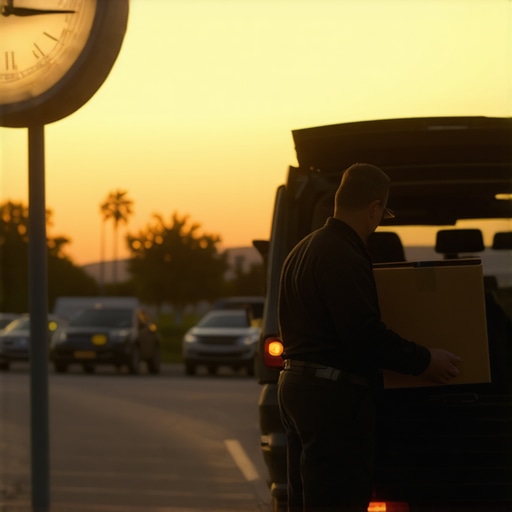
It was 6 a.m., the sky just starting to brighten, when I sprinted out the door, only to realize I was an hour late for my early morning pickup. The driver had already left — my mistake was clear in that moment: I hadn’t scheduled the reservation enough in advance. That lightbulb moment taught me something crucial: early morning pickups demand more than just a few hours’ notice. They require a solid 24-hour lead time to ensure safety, punctuality, and peace of mind.
Why I Learned the Hard Way About Reservation Timing
Initially, I thought booking last minute would save me time and hassle—until I found myself stranded, stressed, and risking missing important meetings. My early attempt to get a ride in the quiet hours of dawn was a disaster, revealing a simple truth: timing is everything when it comes to reservations, especially early in the morning. The demand for these pickups increases during off-peak hours, and without proper planning, you might find yourself waiting in the cold, or worse, scrambling to find a replacement ride.
In my experience, making a reservation less than 24 hours in advance often leads to unpredictable delays or unavailability. Over time, I discovered that reputable services prioritize safety and reliability, but they need adequate lead time to arrange vetted drivers and plan routes accordingly. This realization prompted me to adopt a rule: schedule at least one day ahead for early morning trips. Doing so has dramatically improved my punctuality and peace of mind.
According to industry experts, a 24-hour lead time isn’t just a recommendation—it’s a standard for ensuring reliable service during these critical hours. This article explains how proper lead times can prevent last-minute cancellations and safety lapses, giving you control over your schedule and security.
But how do you ensure you’re not caught off guard and that your reservation gets honored? That’s exactly what we’re about to explore. If you’ve ever faced the disappointment of waiting endlessly or, worse, missing appointments, then pay close attention. The following tips will help you master the art of planning your early morning pickups—saving you stress, time, and potential safety issues.
Set Your Reservation Well in Advance
Think of booking your early morning ride like reserving a seat on a popular flight. To secure your spot, plan at least 24 hours ahead. When I needed to catch a sunrise meeting, I called the night before—this simple step guaranteed my driver’s availability and peace of mind. Avoid waiting until the last minute; delays or unavailability are almost certain if you wait too long. Check the service’s reservation security measures to confirm your booking process is reliable.
Confirm Your Reservation Immediately
Once booked, verify it right away. Many services send confirmation emails or messages. Double-check all details—pickup time, location, vehicle type. This is like inspecting your ticket; if something’s off, correct it immediately. During a late-night planning session, I once noticed a typo in my pickup address and corrected it, preventing an awkward delay at 6 a.m.
Communicate Clear Pickup Instructions
Make your pickup point unmistakable. Use specific landmarks or building names. For busy venues or complex intersections, provide photos or extra notes. For example, at a bustling hotel, I always specify “north entrance, near the valet” to avoid confusion. A clear, detailed instruction minimizes surprises and ensures the driver finds you swiftly. Refer to the verification tips to guarantee safety standards.
Prepare Your Environment for the Driver
Right before pickup time, ensure your area is accessible and Safe. Clear space for the vehicle, avoid obstructing the driveway, and keep your phone charged. When I was running late once, I prepped my surroundings hours ahead, so I could swiftly step out without last-minute chaos. Remember, a smooth handoff speeds up the process and solidifies punctuality.
Leverage Technology to Stay Updated
Use real-time tracking apps to monitor your driver’s location. Many services provide live maps showing your driver’s progress. But don’t rely solely on GPS; sometimes, heavy traffic or signal issues distort estimates. Instead, maintain direct communication with your driver via text or call. I once received an unexpected delay due to a traffic jam. Quick communication allowed me to extend my meeting buffer accordingly. For additional safety, review safety verification tips.
Confirm Your Arrival and Secure the Ride
When your driver arrives, perform a quick visual check: matching license plates, driver’s badge, vehicle condition. Don’t hesitate to ask for a verbal confirmation of your name and destination. It’s like a final check before boarding a flight—your safeguard against mix-ups and fake rides. Remember, consistent verification enhances security and reliability.
Document and Review for Future Planning
After your trip, save digital receipts and confirmation details. Review your experience periodically to identify patterns or recurring issues. This feedback loop helps refine your booking habits—for instance, shifting to pre-booking during peak seasons or adjusting pickup points for smoother pickups.
Many travelers and professionals assume that booking last-minute or relying solely on GPS estimates guarantees punctuality and safety. However, this misconception can lead to overlooked nuances that compromise reliability. One common myth is that modern technology alone suffices for precise timing. In reality, digital tools are susceptible to disruptions like heavy traffic or signal issues, which can cause significant deviations from expected arrival times. Relying solely on real-time tracking without manual confirmation or alternative plans often leaves you vulnerable to delays. Moreover, many believe that confirming reservations once is enough, but in volatile environments, multiple confirmations—via call or direct contact—are essential to prevent no-shows or miscommunications. Advanced travelers recognize that understanding *reservation buffers*—the extra time incorporated to account for unexpected delays—is crucial. Industry experts emphasize that a well-calculated buffer can prevent missed appointments, especially during peak hours or adverse weather. Remember, even with the most sophisticated systems, human vigilance and contingency planning outperform overconfidence in automation. Don’t fall into the trap of assuming that digital solutions are foolproof; instead, incorporate manual checks, reliable communication channels, and strategic buffers to enhance your reservation reliability. Want to master the art of foolproof scheduling? Refer to our detailed strategies for on-time arrivals and safety measures. Have you ever fallen into this trap? Let me know in the comments.
In the world of professional transportation and personal scheduling, maintaining a consistent and dependable reservation system requires the right tools. After years of fine-tuning my setup, I’ve identified a few specific equipment and software solutions that ensure my bookings stay on track, safe, and scalable. One critical piece is a dedicated tablet with a high-resolution display and reliable internet connection, like the Apple iPad Pro. I personally use it to access real-time tracking apps and confirm reservations on the go, as its speed and screen clarity are unmatched during busy days. Additionally, I rely heavily on reservation management software like ReserveLogic, which integrates booking confirmations, safety checks, and automated reminders, reducing human error and oversight.
To improve long-term results, I recommend setting up a dedicated dashboard through platforms like Google Data Studio linked with your reservation channels. This allows for monitoring booking patterns, delays, and driver performance, giving you the insights needed to scale efficiently. For example, noticing a decline in early morning pickups prompted me to increase driver availability during those hours, thereby enhancing service reliability.
Safety is paramount. I ensure my devices are equipped with security measures like VPNs and biometric locks. An often overlooked but vital aspect is regular data backup. I utilize services like Backblaze to secure reservations, client information, and safety protocols against hardware failure or cyber threats, confirming that my client data remains protected and accessible regardless of unforeseen issues.
How do I maintain reservation accuracy over time?
Consistent review is key. I set quarterly audits using both hardware and software — checking device performance, updating security patches, and revisiting my booking procedures. Developing a habit of cross-checking reservation details against live driver feedback prevents drift from planned schedules. Trends suggest that AI integration, such as predictive analytics for demand forecasting, will become more central in reservation systems, making maintenance more proactive than reactive. Industry experts like this source emphasize the importance of continuous system upgrades to stay ahead.
Start implementing a dedicated tablet or device for reservation management today. A top tip is pre-loading your scheduling app and safety tools overnight, ensuring instant access at all hours. This small step significantly reduces lag times and surprises during peak periods. Want a proven method to keep your bookings on time and secure? Try integrating automatic alerts for potential delays and safety issues—this proactive approach can save the day when unexpected problems arise.
Lessons That Changed the Way I Book
One of the most eye-opening lessons I learned was the danger of relying solely on technology without human vigilance. I once trusted a GPS ETA during a city downpour, only to arrive 20 minutes late because of unforeseen traffic. That experience made me realize the importance of manual confirmation and building buffer time into every reservation.
It also struck me how much more peace of mind I gained when I started communicating directly with my driver. A quick call or text to verify pickup details transformed my rides from stressful to seamless, reinforcing that proactive communication is a secret weapon in ensuring on-time arrivals.
Furthermore, I discovered that scheduling early morning pickups is less about convenience and more about strategic planning. The fewer variables—less traffic, fewer last-minute cancellations—the smoother the experience. This insight prompted me to view reservations not as mere bookings but as commitments requiring respect and foresight.
Tools and Insights That Keep Me on Track
My essential toolkit includes a high-quality tablet like the Apple iPad Pro, which keeps real-time tracking and reservation apps at my fingertips. I also rely on specialized reservation management software such as reservation management tools that send automated reminders and safety alerts, reducing human error.
For long-term improvement, I use dashboards that analyze booking patterns and driver performance over time, helping me identify areas for process refinement. Regular audits of safety features, combined with backup data solutions like Backblaze, ensure that my reservation system remains resilient against the unexpected. These tools, backed by industry insights, create a robust foundation for reliable, safe, and punctual transportation.
Your Next Step Toward Zero Stress Rides
The future of reservation timing is about making proactive, informed choices and leveraging the right tools. Whether you’re managing daily pickups or planning for a special event, applying these insights can elevate your experience from reactive to strategic. Start small—pre-book your next trip at least 24 hours in advance, confirm it manually, and communicate clearly with your driver. You’ll find that consistency and preparation turn punctuality into your new normal. Ready to take control of your reservations? What’s your biggest challenge in ensuring on-time pickups? Share below and let’s refine this journey together.