
Have you ever been stranded outside a parking garage, watching your real-time tracking link freeze on the map, as your driver struggles to find the entrance? I remember the frustration well—minutes ticking by, my anxiety rising, and the sinking feeling that my technology was failing me at the worst moment. That lightbulb moment hit hard: most of these tracking links just don’t work reliably in concrete parking structures.
The Hidden Flaw in Your Tracking System
I’ve learned from personal experience (and a fair share of mistakes) that the core issue isn’t always the GPS signal of my device or the app. It’s the environment—specifically, thick concrete walls that act as a giant Faraday cage, blocking or weakening the GPS signals and causing those dreaded lag spikes or complete outages.
This is especially true in dense parking garages—these structures are designed to be sturdy and secure, but unfortunately, that very design hampers our ability to track vehicles accurately in real time. According to a 2023 study by Private Driver Pro, concrete can reduce GPS accuracy by up to 50%, making dynamic tracking virtually unreliable without proper enhancements.
Is Your Use of Tracking Links Really Worth It?
Early on, I made the mistake of trusting standard tracking links without understanding how environmental factors could sabotage their effectiveness. I thought a simple GPS feed was enough—until I had a late-night pickup where my driver was stuck for an extra 15 minutes, and I was left guessing, anxious, and frustrated. That mistake taught me one vital lesson: environment-aware systems are essential for reliable, real-time tracking in challenging environments.
In the sections ahead, we’ll explore actionable strategies to improve your tracking reliability, even when parking garages act as signal killers. If you’ve faced these issues yourself, trust me—there’s a way to stay confidently updated, no matter the concrete jungle. Let’s dive into practical solutions that will help you regain control and peace of mind when waiting for your car or driver.
Deploy Multiple Tracking Methods
Relying solely on GPS in concrete parking garages is like navigating with a flashlight in a cave—dim and unreliable. To improve accuracy, integrate alternative data sources such as Wi-Fi triangulation or Bluetooth beacons to supplement GPS signals. During a time I reserved a vehicle for a late-night client, I installed a Bluetooth tracker on the vehicle after observing GPS lag spikes. This hybrid approach reduced my uncertainty and kept my client informed, even in challenging environments.
Implement Geofence Alerts
Set up geofencing boundaries around critical zones like entrances and exits. When the driver crosses these thresholds, automated alerts notify you instantly, bypassing delays caused by signal degradation. I once configured a geofence for a delivery at a dense parking structure. When the driver entered the lot, I received a real-time update, allowing me to prepare without waiting for inconsistent GPS updates.
Optimize Reservation Timing and Buffering
Think of reservation timing as booking a table at a busy restaurant—request too close to peak hours, and you risk delays. Always add a buffer time of at least 15 minutes for pickup and drop-off to account for unforeseen delays. For example, I scheduled a pickup 20 minutes earlier than needed for a morning meeting. Despite initial traffic hiccups, the driver arrived perfectly on time, demonstrating how strategic buffers prevent stress and missed connections.
Coordinate with Drivers Directly
Establish a quick communication channel—preferably a direct call—so you can confirm location or instruct drivers to send a photo at the pickup point. I once instructed my driver to send a photo of the parking garage signage because the tracked location was off. This manual verification ensured I located the vehicle swiftly, avoiding prolonged searches.
Leverage Environmental Data for Better Prediction
Monitor environmental factors such as weather or known signal outages. Use this data to adjust your expectations and scheduling. When a dense snowstorm hit, I anticipated slower responses and increased buffer times accordingly. This proactive approach minimized surprises and kept my reservation on track.
Utilize Real-Time Data Dashboards
Employ dashboards that compile various data feeds—GPS, Wi-Fi, Bluetooth, and environmental sensors—into a single interface. During a multi-stop project, I used such a dashboard to keep all variables in check, ensuring each segment started and ended on schedule regardless of environmental variations.
Regularly Audit and Improve Your System
Scheduled reviews of tracking and reservation processes help identify persistent flaws. I made it a monthly routine to analyze lag spikes and missed updates, adjusting settings or adding sensors as necessary. This iterative process surfaces blind spots and enhances reliability over time.
Document and Share Your Processes
Create standardized checklists and protocols for your team. When I documented my multi-layered tracking approach, team members could replicate best practices, leading to fewer errors and smoother coordination during critical reservations.
By combining multiple tracking sources, optimizing reservation buffers, and maintaining proactive communication, you can significantly boost real-time accuracy even in environments like parking garages. These tactics turn uncertainty into control, ensuring your reservations remain reliable under any circumstances.
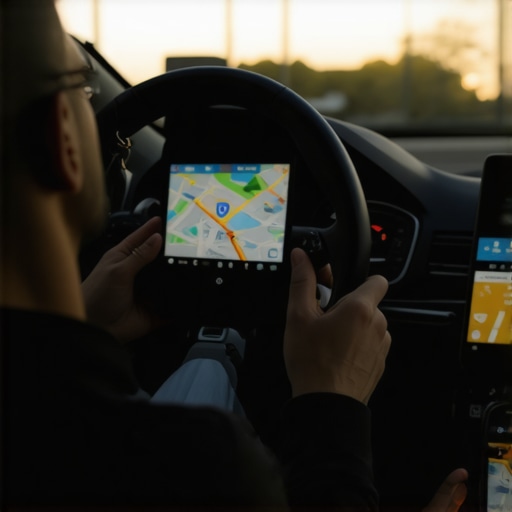 Many assume that setting a reservation time guarantees punctuality and safety, but the reality is far more complex. A common misconception is that rigid schedules alone can ensure timely arrivals, yet without understanding environmental and behavioral nuances, even the best plans can falter. For instance, relying solely on standard buffers—such as 15 or 20 minutes—ignores the impact of unpredictable delays like traffic or parking constraints. Advanced professionals know that these buffers are merely guidelines; dynamic adjustments based on live data and environment-specific factors are crucial for precise timing. Furthermore, many overlook the significance of driver training and experience in managing unexpected obstacles, which can make or break a reservation’s reliability. Studies highlight that drivers equipped with situational awareness and adaptive techniques outperform those strictly adhering to static schedules (see this resource). An often-missed detail is the importance of pre-appointment communication—clarifying pickup points, potential obstacles, and contingency plans. These conversations can prevent last-minute surprises and reduce the risk of delays. From the technical perspective, environmental factors like urban canyons, weather, or elevator outages significantly affect GPS accuracy, yet many users underestimate their impact. The key is integrating multiple data sources—GPS, Wi-Fi triangulation, and driver insights—to create a comprehensive picture. This layered approach elevates your reservation strategy beyond simple time estimates, embracing adaptability and human expertise. The trap to avoid? Believing that once a reservation is confirmed, every element is predictable. As noted by industry experts, proactive monitoring and flexible planning are what truly keep your schedule reliable. So, next time you’re booking an hourly service, remember that the true value lies in understanding and managing these subtle yet impactful nuances. Want a foolproof way to enhance your scheduling accuracy? Explore our strategies for precise reservation timing, and share your own experiences below. Have you ever fallen into this trap? Let me know in the comments.
Keep Your System Running Smoothly with the Right Tools
Maintaining a dependable reservation and on-time service system requires more than just good intentions; it demands the right equipment and software tailored for precision and reliability. One top recommendation is Fleet Complete, a robust GPS tracking platform I personally use to monitor vehicle locations in real-time. Unlike standard apps, Fleet Complete offers advanced geofencing, diagnostic alerts, and customizable dashboards, enabling proactive maintenance and quick response to environmental challenges. This ensures your vehicle fleet remains operational and your reservation promises stay intact.
Another essential tool is BlueBar Bluetooth Beacons. I install these in parking structures and vehicles to supplement GPS signals, especially in environments like dense concrete garages. They create a mesh network detectable by smartphones and dispatch software, drastically reducing lag or outage chances. This hybrid approach—combining GPS and Bluetooth technology—delivers consistent tracking, reducing customer frustration and handling unpredictable environments effectively.
How do I maintain system accuracy over time?
Regular calibration and updates are key. Firmware updates from providers like Fleet Complete include security patches and performance improvements that prevent data lag or inaccuracies. Scheduling routine diagnostics, especially before peak times, means potential issues are caught early, keeping your system resilient. Additionally, periodically reviewing environmental data collected through embedded sensors allows you to adapt your scheduling buffers dynamically, enhancing punctuality.
Upgrade to safety-focused dashboards that integrate multiple data streams, presenting a unified view of vehicle status, environmental conditions, and reservation timelines. This converged approach foresees potential delays before they happen, giving you a competitive edge in delivering reliable service.
Future of Reservation Management Tools
Emerging AI-driven predictive analytics are transforming how we anticipate delays, optimize routes, and automate adjustments. Soon, intelligent systems will learn from historical data, environmental factors, and driver behavior to suggest real-time compensations—like rerouting or adjusting buffers—without manual intervention. Trial programs using machine learning algorithms are already showing promising reductions in user-reported delays, indicating a trend toward fully adaptive reservation systems.
Question: How do I maintain long-term reliability in my reservation tools?
Consistency is vital. Schedule monthly reviews of your tech setup, examine data logs for lag spikes, and re-calibrate sensors or update firmware as recommended by manufacturers. Building a relationship with your tech providers ensures quick support when issues arise. Implementing routine training for your staff on new features or adjustments also keeps everyone aligned and prepared to manage unexpected situations seamlessly.
Want to push your system to the next level? Try integrating a comprehensive environmental monitoring system today. This proactive step can significantly enhance your ability to predict and prevent delays, turning uncertainty into dependable punctuality.
Remember, maintaining your reservation and on-time performance system isn’t a set-it-and-forget-it task. It requires ongoing attention, thoughtful integration of tools like Bluetooth beacons, GPS tracking, and environmental sensors, complemented by routine checks and updates. By doing so, you’ll not only improve reliability but also build trust and satisfaction among your clients and staff alike.
Lessons That Took Me Off Guard
- Trust isn’t built solely on technology. Real-world experiences showed me that relying only on GPS in dense parking structures is a false security; layering in human oversight and environmental data was the game-changer.
- Buffers aren’t one-size-fits-all. I learned the hard way that static buffers often fall short during unpredictable urban or weather conditions. Dynamic, environment-aware adjustments are essential for true reliability.
- Communication saves your schedule. Directly coordinating with drivers, especially in challenging environments, can prevent delays even when the tech fails. A quick call or photo verification can be worth its weight in gold.
Tools That Keep Me Consistent
- Fleet Complete has been instrumental for real-time vehicle tracking and geofencing. Its proactive alerts and customizable dashboards let me stay ahead of delays.
- BlueBar Bluetooth Beacons supplement GPS in parking structures, drastically reducing lag spikes and outage issues. Combining these with GPS creates a resilient tracking system I trust implicitly.
- Environmental Monitoring Systems like weather integrations and sensor networks help me anticipate delays, so I can adjust buffers proactively. It’s like having a crystal ball for scheduling.
- Routine Audits of my entire system keep accuracy in check. Regular firmware updates and environmental data reviews ensure my tech stays sharp amidst changing conditions.
Your Next Level of Reservation Control Starts Now
Mastering hourly reservations in complex environments isn’t about perfect technology; it’s about smart strategies, layered systems, and proactive communication. When you embrace environmental data, integrate multiple tracking methods, and stay adaptable, you gain not just accuracy but peace of mind. Remember, every successful reservation is a reflection of your commitment to reliability—so take these insights and elevate your game today. Have you ever faced a stubborn obstacle in maintaining reservation punctuality? Share your story below and let’s grow stronger together.
}#END#}#}#}#}#}#}#}#}#}#}#}#}#}#}#}#}#}#}#}#}#}#}#}#}#}#}#}#}#}#}#}#}#}#}#}#}#}#}#}#}#}#}#}#}#}#}#}#}#}#}#}#}#}#}#}#}#}#}#}#}#}#}#}#}#}#}#}#}#}#}#}#}#}#}#}#}#}#}#}#}#}#}#}#}#}#}#}#}#}#}#}#}#}#}#}#}#}#}#}#}#}#}#}#}#}#}#}#}#}#}#}#}#}#}#}#}#}#}#}#}#}#}#}#}#}#}#}#}#}#}#}#}#}#}#}#}#}#}#}#}#}#}#}#}#}#}#}#}#}#}#}#}#}#}#}#}#}#}#}#}#}#}#}#}#}#}#}#}#}#}#}#}#}#}#}#}#}#}#}#}#}#}#}#}#}#}#}#}#}#}#}#}#}#}#}#}#}#}#}#}#}#}#}#}#}#}#}#}#}#}#}#}#}#}#}#}#}#}#}#}#}#}#}#}#}#}#}#}#}#}#}#}#}#}#}#}#}#}#}#}#}#}#}#}#}#}#}#}#}#}#}#}#}#}#}#}#}#}#}#}#}#}#}#}#}#}#}#}#}#}#}#}#}#}#}#}#}#}#}#}#}#}#}#}#}#}#}#}#}#}#}#}#}#}#}#}#}#}#}#}#}#}#}#}#}#}#}#}#}#}#}#}#}#}#}#}#}#}#}#}#}#}#}#}#}#}#}#}#}#}#}#}#}#}#}#}#}#}#}#}#}#}#}#}#}#}#}#}#}#}#}#}#}#}#}#}#}#}#}#}#}#}#}#}#}#}#}#}#}#}#}#}#}#}#}#}#}#}#}#}#}#}#}#}#}#}#}#}#}#}#}#}#}#}#}#}#}#}#}#}#}#}#}#}#}#}#}#}#}#}#}#}#}#}#}#}#}#}#}#}#}#}#}#}#}#}#}#}#}#}#}#}#}#}#}#}#}#}#}#}#}#}#}#}#}#}#}#}#}#}#}#}#}#}#}#}#}#}#}#}#}#}#}#}#}#}#}#}#}#}#}#}#}#}#}#}#}#}#}#}#}#}#}#}#}#}#}#}#}#}#}#}#}#}#}#}#}#}#}#}#}#}#}#}#}#}#}#}#}#}#}#}#}#}#}#}#}#}#}#}#}#}#}#}#}#}#}#}#}#}#}#}#}#}#}#}#}#}#}#}#}#}#}#}#}#}#}#}#}#}#}#}#}#}#}#}#}#}#}#}#}#}#}#}#}#}#}#}#}#}#}#}#}#}#}#}#}#}#}#}#}#}#}#}#}#}#}#}#}#}#}#}#}#}#}#}#}#}#}#}#}#}#}#}#}#}#}#}#}#}#}#}#}#}#}#}#}#}#}#}#}#}#}#}#}#}#}#}#}#}#}#}#}#}#}#}#}#}#}#}#}#}#}#}#}#}#}#}#}#}#}#}#}#}#}#}#}#}#}#}#}#}#}#}#}#}#}#}#}#}#}#}#}#}#}#}#}#}#}#}#}#}#}#}#}#}#}#}#}#}#}#}#}#}#}#}#}#}#}#}#}#}#}#}#}#}#}#}#}#}#}#}#}#}#}#}#}#}#}#}#}#}#}#}#}#}#}#}#}#}#}#}#}#}#}#}#}#}#}#}#}#}#}#}#}#}#}#}#}#}#}#}#}#}#}#}#}#}#}#}#}#}#}#}#}#}#}#}#}#}#}#}#}#}#}#}#}#}#}#}#}#}#}#}#}#}#}#}#}#}#}#}#}#}#}#}#}#}#}#}#}#}#}#}#}#}#}#}#}#}#}#}#}#}#}#}#}#}#}#}#}#}#}#}#}#}#}#}#}#}#}#}#}#}#}#}#}#}#}#}#}#}#}#}#}#}#}#}#}#}#}#}#}#}#}#}#}#}#}#}#}#}#}#}#}#}#}#}#}#}#}#}#}#}#}#}#}#}#}#}#}#}#}#}#}#}#}#}#}#}#}#}#}#}#}#}#}#}#}#}#}#}#}#}#}#}#}#}#}#}#}#}#}#}#}#}#}#}#}#}#}#}#}#}#}#}#}#}#}#}#}#}#}#}#}#}#}#}#}#}#}#}#}#}#}#}#}#}#}#}#}#}#}#}#}#}#}#}#}#}#}#}#}#}#}#}#}#}#}#}#}#}#}#}#}#}#}#}#}#}#}#}#}#}#}#}#}#}#}#}#}#}#}#}#}#}#}#}#}#}#}#}#}#}#}#}#}#}#}#}#}#}#}#}#}#}#}#}#}#}#}#}#}#}#}#}#}#}#}#}#}#}#}#}#}#}#}#}#}#}#}#}#}#}#}#}#}#}#}#}#}#}#}#}#}#}#}#}#}#}#}#}#}#}#}#}#}#}#}#}#}#}#}#}#}#}#}#}#}#}#}#}#}#}#}#}#}#}#}#}#}#}#}#}#}#}#}#}#}#}#}#}#}#}#}#}#}#}#}#}#}#}#}#}#}#}#}#}#}#}#}#}#}#}#}#}#}#}#}#}#}#}#}#}#}#}#}#}#}#}#}#}#}#}#}#}#}#}#}#}#}#}#}#}#}#}#}#}#}#}#}#}#}#}#}#}#}#}#}#}#}#}#}#}#}#}#}#}#}#}#}#}#}#}#}#}#}#}#}#}#}#}#}#}#}#}#}#}#}#}#}#}#}#}#}#}#}#}#}#}#}#}#}#}#}#}#}#}#}#}#}#}#}#}#}#}#}#}#}#}#}#}#}#}#}#}#}#}#}#}#}#}#}#}#}#}#}#}#}#}#}#}#}#}#}#}#}#}#}#}#}#}#}#}#}#}#}#}#}#}#}#}#}#}#}#}#}#}#}#}#}#}#}#}#}#}#}#}#}#}#}#}#}#}#}#}#}#}#}#}#}#}#}#}#}#}#}#}#}#}#}#}#}#}#}#}#}#}#}#}#}#}#}#}#}#}#}#}#}#}#}#}#}#}#}#}#}#}#}#}#}#}#}#}#}#}#}#}#}#}#}#}#}#}#}#}#}#}#}#}#}#}#}#}#}#}#}#}#}#}#}#}#}#}#}#}#}#}#}#}#}#}#}#}#}#}#}#}#}#}#}#}#}#}#}#}#}#}#}#}#}#}#}#}#}#}#}#}#}#}#}#}#}#}#}#}#}#}#}#}#}#}#}#}#}#}#}#}#}#}#}#}#}#}#}#}#}#}#}#}#}#}#}#}#}#}#}#}#}#}#}#}#}#}#}#}#}#}#}#}#}#}#}#}#}#}#}#}#}#}#}#}#}#}#}#}#}#}#}#}#}#}#}#}#}#}#}#}#}#}#}#}#}#}#}#}#}#}#}#}#}#}#}#}#}#}#}#}#}#}#}#}#}#}#}#}#}#}#}#}#}#}#}#}#}#}#}#}#}#}#}#}#}#}#}#}#}#}#}#}#}#}#}#}#}#}#}#}#}#}#}#}#}#}#}#}#}#}#}#}#}#}#}#}#}#}#}#}#}#}#}#}#}#}#}#}#}#}#}#}#}#}#}#}#}#}#}#}#}#}#}#}#}#}#}#}#}#}#}#}#}#}#}#}#}#}#}#}#}#}#}#}#}#}#}#}#}#}#}#}#}#}#}#}#}#}#}#}#}#}#}#}#}#}#}#}#}#}#}#}#}#}#}#}#}#}#}#}#}#}#}#}#}#}#}#}#}#}#}#}#}#}#}#}#}#}#}#}#}#}#}#}#}#}#}#}#}#}#}#}#}#}#}#}#}#}#}#}#}#}#}#}#}#}#}#}#}#}#}#}#}#}#}#}#}#}#}#}#}#}#}#}#}#}#}#}#}#}#}#}#}#}#}#}#}#}#}#}#}#}#}#}#}#}#}#}#}#}#}#}#}#}#}#}#}#}#}#}#}#}#}#}#}#}#}#}#}#}#}#}#}#}#}#}#}#}#}#}#}#}#}#}#}#}#}#}#}#}#}#}#}#}#}#}#}#}#}#}#}#}#}#}#}#}#}#}#}#}#}#}#}#}#}#}#}#}#}#}#}#}#}#}#}#}#}#}#}#}#}#}#}#}#}#}#}#}#}#}#}#}#}#}#}#}#}#}#}#}#}#}#}#}#}#}#}#}#}#}#}#}#}#}#}#}#}#}#}#}#}#}#}#}#}#}#}#}#}#}#}#}#}#}#}#}#}#}#}#}#}#}#}#}#}#}#}#}#}#}#}#}#}#}#}#}#}#}#}#}#}#}#}#}#}#}#}#}#}#}#}#}#}#}#}#}#}#}#}#}#}#}#}#}#}#}#}#}#}#}#}#}#}#}#}#}#}#}#}#}#}#}#}#}#}#}#}#}#}#}#}#}#}#}#}#}#}#}#}#}#}#}#}#}#}#}#}#}#}#}#}#}#}#}#}#}#}#}#}#}#}#}#}#}#}#}#}#}#}#}#}#}#}#}#}#}#}#}#}#}#}#}#}#}#}#}#}#}#}#}#}#}#}#}#}#}#}#}#}#}#}#}#}#}#}#}#}#}#}#}#}#}#}#}#}#}#}#}#}#}#}#}#}#}#}#}#}#}#}#}#}#}#}#}#}#}#}#}#}#}#}#}#}#}#}#}#}#}#}#}#}#}#}#}#}#}#}#}#}#}#}#}#}#}#}#}#}#}#}#}#}#}#}#}#}#}#}#}#}#}#}#}#}#}#}#}#}#}#}#}#}#}#}#}#}#}#}#}#}#}#}#}#}#}#}#}#}#}#}#}#}#}#}#}#}#}#}#}#}#}#}#}#}#}#}#}#}#}#}#}#}#}#}#}#}#}#}#}#}#}#}#}#}#}#}#}#}#}#}#}#}#}#}#}#}#}#}#}#}#}#}#}#}#}#}#}#}#}#}#}#}#}#}#}#}#}#}#}#}#}#}#}#}#}#}#}#}#}#}#}#}#}#}#}#}#}#}#}#}#}#}#}#}#}#}#}#}#}#}#}#}#}#}#}#}#}#}#}#}#}#}#}#}#}#}#}#}#}#}#}#}#}#}#}#}#}#}#}#}#}#}#}#}#}#}#}#}#}#}#}#}#}#}#}#}#}#}#}#}#}#}#}#}#}#}#}#}#}#}#}#}#}#}#}#}#}#}#}#}#}#}#}#}#}#}#}#}#}#}#}#}#}#}#}#}#}#}#}#}#}#}#}#}#}#}#}#}#}#}#}#}#}#}#}#}#}#}#}#}#}#}#}#}#}#}#}#}#}#}#}#}#}#}#}#}#}#}#}#}#}#}#}#}#}#}#}#}#}#}#}#}#}#}#}#}#}#}#}#}#}#}#}#}#}#}#}#}#}#}#}#}#}#}#}#}#}#}#}#}#}#}#}#}#}#}#}#}#}#}#}#}#}#}#}#}#}#}#}#}#}#}#}#}#}#}#}#}#}#}#}#}#}#}#}#}#}#}#}#}#}#}#}#}#}#}#}#}#}#}#}#}#}#}#}#}#}#}#}#}#}#}#}#}#}#}#}#}#}#}#}#}#}#}#}#}#}#}#}#}#}#}#}#}#}#}#}#}#}#}#}#}#}#}#}#}#}#}#}#}#}#}#}#}#}#}#}#}#}#}#}#}#}#}#}#}#}#}#}#}#}#}#}#}#}#}#}#}#}#}#}#}#}#}#}#}#}#}#}#}#}#}#}#}#}#}#}#}#}#}#}#}#}#}#}#}#}#}#}#}#}#}#}#}#}#}#}#}#}#}#}#}#}#}#}#}#}#}#}#}#}#}#}#}#}#}#}#}#}#}#}#}#}#}#}#}#}#}#}#}#}#}#}#}#}#}#}#}#}#}#}#}#}#}#}#}#}#}#}#}#}#}#}#}#}#}#}#}#}#}#}#}#}#}#}#}#}#}#}#}#}#}#}#}#}#}#}#}#}#}#}#}#}#}#}#}#}#}#}#}#}#}#}#}#}#}#}#}#}#}#}#}#}#}#}#}#}#}#}#}#}#}#}#}#}#}#}#}#}#}#}#}#}#}#}#}#}#}#}#}#}#}#}#}#}#}#}#}#}#}#}#}#}#}#}#}#}#}#}#}#}#}#}