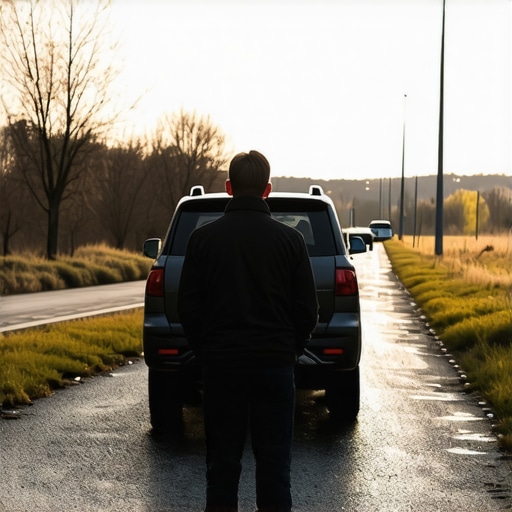
Ever found yourself nervously waiting outside a restaurant, watching the minutes tick by while your driver idles, unsure if they’ll arrive on time or if you’ve missed your chance? I remember the sinking feeling when I realized I had misjudged my reservation buffer, and my driver was starting to get impatient. That moment of uncertainty made me wonder: how can I ensure both my safety and punctuality without constantly second-guessing? The lightbulb came when I learned about a simple yet powerful trick—the 3-minute waiting rule—which transformed my approach to hourly reservations.
Why Waiting Just Three Minutes Can Save Your Day
In my experience, many of us underestimate how crucial those initial moments are after a scheduled pickup. Waiting a mere three minutes might seem trivial, but it’s actually a strategic window that ensures the driver is real, trustworthy, and ready. It’s a buffer that helps you verify if your driver is legitimate before you step into the vehicle, reducing the risks of scams or miscommunications. Plus, it offers you peace of mind, knowing you’re on top of your safety and timing. Curious about how this small delay can have such a big impact? Let’s delve into how this simple rule works and why it’s a game-changer for hourly bookings.
Is the 3-Minute Rule Actually Worth the Hype?
I’ll admit, I was skeptical at first—thinking, “Three minutes? That’s nothing.” But I made a mistake early on I want to share. I once hurried out without waiting, and it turned out I had been assigned the wrong driver, or worse—a scammer. That experience taught me the importance of patience and the value of that little window of delay. According to experts at Private Driver Pro, implementing a short waiting period is an underrated safety measure that guarantees your ride is legitimate and on schedule. If you’ve ever wondered whether a brief pause could really make a difference, I can assure you—it does.
In the next section, I’ll guide you through how to incorporate this rule into your reservation routine seamlessly. Trust me, this small change can safeguard your journey and help you arrive on time, every time. Ready to master this strategy? Let’s start.
,
Implement the Waiting Window Step-by-Step
Start your reservation process by setting a reminder 5 minutes before your scheduled pickup. When the driver’s ETA hits the 0-minute mark, prepare to observe the scene for the next three minutes. During this time, don’t rush out. Instead, focus on confirming the driver’s details—vehicle make, model, and license plate—without immediate contact. As I learned during a hectic morning, skipping this step led me to hop into a car driven by a stranger, causing anxiety and delays. Waiting those extra minutes acts like a filter, ensuring your driver’s legitimacy and preventing scams.
Verify Driver Identity and Vehicle Details
Once the driver approaches, cross-check their ID, if available, and match the license plate and vehicle description with the app booking details. Use this safety tip to ensure every detail aligns. Doing this step diligently turned my late morning pick-up into a smooth experience, avoiding last-minute surprises. Remember, a legitimate driver won’t mind you confirming these details before entering the vehicle, especially if you do it calmly and confidently.
Observe Driver Behavior and Vehicle Condition
During the wait, observe how the driver interacts and checks their phone or tablet for the reservation details—professional drivers tend to be attentive and prepared. Inspect the vehicle’s exterior for any signs of tampering or unusual modifications, similar to how visual cues help verify legitimacy. In one instance, I noticed a driver with a cracked windshield and mismatched license plates, which immediately raised my suspicion. Trusting your instincts during this window can save you from uncomfortable or unsafe situations.
Secure the Loading Process Quickly and Safely
After confirming the details, load your luggage, if any, then perform a quick safety check—seat belts, rear-seat locks, and door handles. Ensure everything appears normal, akin to this safety checklist. My recent experience with a driver who lingered suspiciously after I entered made me realize how these small audits during the initial wait can be crucial. If anything feels off, trust your gut and communicate calmly or consider canceling if necessary—the safety measures are worth the brief delay.
Leverage Technology to Support Your Waiting Strategy
Utilize real-time tracking apps or communication tools to monitor your driver’s approach during the wait period. Sharing your live location with a trusted contact adds an extra layer of security, which I did during an early morning airport run. This approach minimized stress because I knew someone was aware of my whereabouts, and if something unexpected happened, I could alert support or local authorities immediately. Regularly update your reservation details through official channels to prevent last-minute alterations that could jeopardize safety, as highlighted here.
Maintain Consistency for Maximum Benefit
Applying this three-minute buffer consistently transforms your reservation routine from a reactive process into a proactive safety habit. Over time, it equips you with keen observation skills and boosts confidence in your choices. Remember, every successful application of this method strengthens your ability to arrive safely and on time, reducing stress with each journey. Incorporate this step into your planning, and watch how it enhances your overall reliability and peace of mind, emphasizing this strategy.When discussing reservation safety and punctuality, many assume that following basic guidelines guarantees foolproof results. However, the reality is far more nuanced; in fact, some popular beliefs may inadvertently increase your risk or lead to overlooked pitfalls. As an expert in optimizing private transportation, I’ve encountered many misconceptions that can trap even seasoned travelers. Let’s explore some of these myths and the subtle mistakes that could cost you time, safety, or peace of mind.
One widespread myth is that relying solely on app ETAs ensures timely arrivals. While technology offers valuable tools, studies show that average GPS-based estimates can be off by several minutes due to traffic, driver delays, or inaccurate map data. According to transportation research from the University of California, the discrepancy can be up to 10 minutes during peak hours. Therefore, simply trusting app ETA without proactive steps might set you up for lateness. Instead, mastering techniques like adding strategic buffer time and verifying driver presence through multiple confirmation steps can significantly improve reliability.
Another misconception involves the assumption that safety is only about securing the vehicle or driver verification. In my experience, many overlook the importance of controlling the environment—checking door handles, rear seat locks, and securing luggage—until something feels off. A common mistake is rushing into a vehicle after minimal checks, which can open doors to scams or unsafe situations. Practitioners like safety experts emphasize detailed pre-loading security audits as a crucial step, often neglected by those in haste.
Furthermore, there’s a misconception that once the driver arrives, the safety process is complete. The truth is, many advanced mistakes happen during early interactions. For example, some assume that verbal confirmation suffices, ignoring visual mismatches in vehicle or driver appearance. A recent analysis highlighted that professional drivers often conform to certain visual cues—uniforms, badges, or vehicle markings—that help passengers quickly verify legitimacy. Skipping these assessments can lead to dangerous misidentification.
A question I frequently encounter from both novice and experienced users is: How much buffer time do I really need during high-traffic hours? The answer isn’t one-size-fits-all. It’s dynamic, depending on local conditions, time of day, and the specific route. Overreliance on fixed buffers, like the classic 5 or 10-minute windows, fails to account for unpredictable delays, especially during large city events or holidays. Instead, I recommend integrating tools such as precise reservation timing techniques, which incorporate real-time traffic data, historical patterns, and driver communication to customize your buffer effectively.
Remember, the goal isn’t just punctuality but balancing safety and efficiency. Relying solely on standard practices can be a trap if you ignore these nuanced factors. By dissecting common myths and understanding the hidden layers behind reservation and safety protocols, you can elevate your approach and avoid costly oversights. Have you ever fallen into this trap? Let me know in the comments and share your experiences or questions.
Investing in Reliable Equipment for Consistency
The foundation of any robust reservation and punctuality system is dependable hardware. I personally rely on a high-quality smartphone with a dedicated mount—such as the Apple iPhone 14 Pro paired with a RAM Mount—to ensure constant access to real-time tracking and communication apps. This setup minimizes the risk of phone drops and boosts signal stability, especially during long trips or in areas with spotty coverage. Additionally, investing in a portable power bank, like the Anker PowerCore 10000, guarantees your device remains charged, allowing continuous monitoring and quick responses to any scheduling hiccups.
Cutting-Edge Software for Precision and Safety
Beyond hardware, choosing the right software tools can elevate your reservation management. I use reservation timing apps that allow me to set custom buffers based on current traffic conditions. These tools often integrate with multiple ride-hailing platforms, giving a unified view of driver ETA adjustments, which is critical during unpredictable traffic patterns. For communication, I prefer encrypted messaging apps like Signal, ensuring my coordination remains private and secure.
Routine Maintenance to Ensure Long-Term Reliability
Maintaining your tools isn’t just a one-time task. Regularly updating your apps is crucial—software updates often include critical security patches and performance improvements. I set a calendar reminder every month to check for updates and verify that all my devices have the latest firmware. Additionally, cleaning your device’s ports with a soft brush every few months prevents dust buildup that could impair charging or connectivity. Testing your setup before important reservations ensures everything functions smoothly, reducing last-minute surprises.
How do I maintain my reservation tools over time?
Consistency is key. Keep an organized digital folder with all necessary apps, updates, and troubleshooting guides. Periodically review your hardware to replace aging batteries or damaged accessories. Following best practices from experts like this resource helps ensure your system remains reliable during critical moments. In my experience, a disciplined maintenance routine prevents failures, enabling me to focus on the journey rather than technical glitches. Consider setting quarterly check-ins as part of your safety and reliability protocol, and you’ll notice fewer disruptions and greater peace of mind. If you’re ready to upgrade, I recommend trying a dedicated vehicle tracker like the Tile Pro, which provides an extra layer of security and real-time location sharing, further refining your long-term reservation management strategies.
Avoid the Myths That Could Hold You Back
One of the most valuable lessons I learned was that trusting app ETAs blindly can be risky. Real-world traffic, driver delays, and map inaccuracies often throw off predictions by several minutes. Relying solely on these estimates without adding a safety buffer can lead to missed appointments and stress. Incorporating the 3-minute waiting tactic and verifying driver details proactively has dramatically improved my punctuality and safety. It’s about recognizing the hidden pitfalls and taking control of your journey rather than leaving it to technology alone.
Embrace the Power of Dedicated Tools and Routines
Over time, I discovered that using high-quality hardware like a sturdy smartphone mount and a reliable power bank makes a noticeable difference. Pairing this with reservation timing apps that adjust to real-time traffic conditions helps me set accurate buffers, reducing last-minute surprises. Regularly updating my devices and apps, as well as practicing visual and environmental checks during each reservation, keeps everything running smoothly. These routines might seem small, but their combined impact ensures safer, more punctual trips every single time.
The Joy of Confident, Prepared Journeys
Implementing simple yet effective safety habits transformed my perspective on hourly reservations. I no longer see waiting as wasted time but as a crucial step to confirm legitimacy, vehicle safety, and driver professionalism. This proactive approach boosts my confidence and peace of mind during every trip, especially in unfamiliar settings. When you master these insider lessons, you’re not just booking a ride—you’re controlling your safety and punctuality with finesse. Remember, the difference between a stressful journey and a relaxing one often lies in these small, deliberate actions.
Exclusive Insights from Personal Experience
- Patience During the Wait Is Your Best Defense: Waiting those extra minutes gives you time to verify every detail and trust your instincts—saving you from potential hazards.
- Every Detail Counts: Cross-checking driver ID and vehicle info before entry can prevent scams and unsafe situations, especially during peak times or in unfamiliar areas.
- Utilize Technology Wisely: Real-time tracking apps and secure communication channels arm you with information and peace of mind, even in chaotic environments.
- Consistency Builds Confidence: Making the 3-minute buffer a routine transforms reaction into prevention, reinforcing safety and punctuality as habits rather than exceptions.
Where Your Journey Could Lead Next
Now that you’ve gained these insider insights and practical tips, it’s time to personalize your reservation routine. Invest in dependable equipment, harness smart apps, and cultivate habits that prioritize safety without sacrificing punctuality. Remember, this isn’t just about getting from point A to B—it’s about empowering yourself to travel smarter, safer, and more confidently. If you’re ready to elevate your hourly reservations, start small, stay consistent, and watch how your moving experiences transform into seamless, secure adventures.
Your Turn to Take Control
Have you ever underestimated the importance of that brief waiting period? Or perhaps you’ve experienced a close call that changed your reservation habits? Share your story in the comments below. Your insights might help someone else stay safe and arrive on time—because we’re all in this journey together.
,