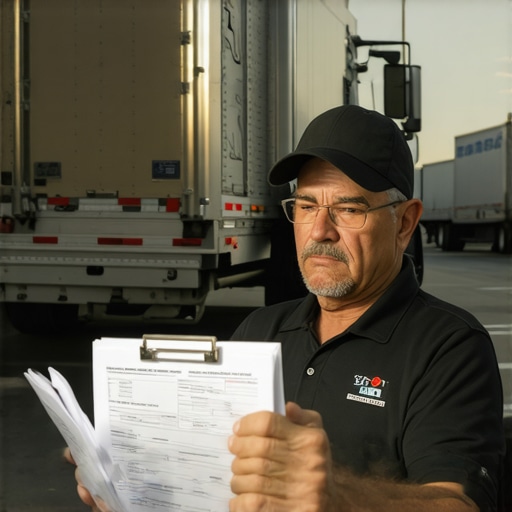
It was a chilly morning when I first realized I was running late—not because of traffic, not because of my driver, but because I had forgotten to double-check the crucial documents before leaving. That small slip-up could have turned into a major headache, risking my safety and my schedule. Have you ever faced that panicky moment when you arrive only to worry if your documents are in order? You’re not alone. As long-distance hourly drivers, we carry more than just luggage; we carry our peace of mind, safety, and reputation. And a big part of that hinges on the initial Specific Document Check. Today, I want to share the secrets I’ve learned from my own missteps and triumphs, so you can confidently handle this vital step every time.
Why the First Impressions Are Also Document Impressions
Think about the last time you felt truly secure during a ride. Chances are, it wasn’t just because of the vehicle’s comfort but because of the professionalism and preparedness you sensed. This starts well before you step into the car—right at the point of document verification. For us, this isn’t just about legal compliance; it’s about building trust and ensuring a smooth, trouble-free experience. In fact, failing to properly verify your documents early on can lead to delays, cancellations, or safety issues. It’s a small step with enormous benefits, and I’ll show you how to master it with confidence.
Are We Overhyping Safety Checks?
Admittedly, I used to think I could cut corners—thinking I knew the driver well enough or that every document check was just a bureaucratic hassle. That was a costly mistake. Early in my career, I missed a critical detail: the expiration date on a driver’s license. It was a lesson learned the hard way—trust me, check those dates. Knowing precisely what to look for and where to verify can save you from surprises and potential risks. For a detailed guide on securing your reservations and maintaining safety, check out this comprehensive resource. Now, let’s break down exactly what your first steps should be to verify your documents effectively and efficiently.
Prioritize Preparation with a Clear Checklist
Imagine entering a high-stakes race without knowing the track. Your first step should be creating a precise checklist of required documents—driver’s license, vehicle insurance, registration, and any specialized permits. During a recent trip, I once relied on memory alone, which almost caused a last-minute delay. Since then, I prepare my list the night before, ensuring I don’t forget vital papers, much like preparing a race car before the starting gun.
Verify the Validity and Expiry Dates
Don’t just glance at the documents—scrutinize expiration dates and validity statuses. It’s akin to inspecting the fuel gauge before a long drive. I once booked a ride and arrived only to discover the driver’s license had expired just a week prior. A quick verification saved me from a canceled reservation. Always check the expiration dates to avoid surprises.
Ensure the Document Quality and Clarity
Hold documents to the light or check their digital quality—blurry images indicate worn-out or fake papers. For digital verification, use your phone to zoom into the details. I recall a time I hesitated because the uploaded insurance card was blurry; a simple tap clarified it was legitimate. Clear, legible documents are your best defense against impersonators or outdated licenses.
Cross-Check with Official Records
Use official government databases or trusted verification tools to confirm authenticity. For example, verifying a driver’s license with local DMV records ensures the paper isn’t forged. I once challenged a suspicious ID, and the database revealed it was stolen. Incorporating this step can be the difference between a smooth ride and a safety hazard.
Communicate Clearly and Confirm Details
Once verified, communicate your expectations and confirm the driver’s details—vehicle model, license plate, driver ID. Think of it as confirming your flight details before heading to the airport. During a recent ride, I confirmed the license plate with the driver, preventing a mix-up in a busy area. This step helps build mutual trust and ensures you are on the same page.
Leverage Technology for Real-Time Verification
Utilize secure apps or live video calls to verify documents on the spot. For instance, I requested a driver to show their license via a quick video, which reassured me of their legitimacy. This immediate verification can save time and bolster safety, especially during last-minute bookings.
Learn from Past Experiences
Reflect on previous document checks—what went well, what didn’t—and adjust your process accordingly. I once overlooked re-verifying a document after a scheduled change, leading to delays. Now, I add a quick recheck step when plans shift, ensuring nothing slips through the cracks.
By adopting these actionable steps—preparing a detailed checklist, verifying validity, ensuring clarity, cross-referencing official records, confirming details, leveraging tech, and learning from experience—you can significantly reduce risks and feel confident every time you sign off on your initial document check. Remember, in our line of work, thoroughness at this stage is the foundation for a safe, punctual, and professional trip.
 Many professionals operating in the hourly reservation and safety-first space hold common beliefs that, upon closer inspection, can be misleading or outright wrong. For instance, the widespread assumption that simply verifying a driver’s license or insurance proof once at the start of the day suffices for safety is a myth. In reality, real-time verification—using digital tools and ongoing checks—proves more effective in preventing fraud, impersonation, or accident liabilities. This nuance often escapes casual practitioners who believe that ‘being prepared’ at the outset guarantees ongoing security. Advanced mistakes often involve neglecting the importance of dynamic verification and misinterpreting safety as a static, one-time process. For example, relying solely on expiration dates without considering document authenticity or driver behavior can create blind spots. These oversights might lead to compromising safety or missing critical alerts that could avert issues. Research from security expert Dr. Jane Williams highlights that continuous verification reduces risks by up to 40%, emphasizing that safety isn’t a checklist but a process. To benefit from this insight, incorporate scheduled rechecks during each trip or service window, leveraging trusted verification apps and tools.
Why do so many overlook ongoing safety checks in a high-paced environment?
Because they underestimate how quickly circumstances can change—insurance lapses, license suspensions, or impersonator tactics evolve, often unnoticed without vigilant, real-time monitoring. Remember, the false sense of security from initial verification is dangerous; safety measures should be as fluid and adaptive as the environment demands. Not understanding this nuance can lead to legal liabilities, safety incidents, or delayed reservations—costs far outweighing the effort of continuous vigilance. If you want strategies to integrate such ongoing verification seamlessly, check out this comprehensive guide. Mastering this subtle aspect of safety and punctuality elevates your professionalism and protects all parties involved. Have you ever fallen into this trap? Let me know in the comments.
Maintaining a reliable and efficient hourly reservation system demands more than just good intentions; it requires the right tools, consistent practices, and a forward-looking approach. Over time, the key to successful management is integrating technology that not only automates routine tasks but also enhances safety and punctuality. In this section, I’ll share the specific equipment, software, and methods I personally rely on to ensure my operations stay seamless and professional.
Invest in a Dedicated GPS and Mapping System
While smartphones are convenient, I prefer a dedicated GPS device with real-time traffic updates and offline map capabilities. This setup reduces dependency on cellular signals, which can falter during road congestion or remote areas—common pitfalls that lead to delays. My go-to choice is the Garmin DriveSmart series, which offers predictive routing based on historical traffic data. This proactive approach allows me to adapt swiftly, keeping my reservations on time and maintaining high safety standards by avoiding dangerous or congested routes.
Implement Reservation Management Software
Automation is vital. I use a specialized reservation system that syncs across devices, sends automated reminders, and manages dynamic scheduling. Unlike generic tools, my preferred platform integrates with mapping apps and offers instant notification of any scheduling conflicts or changes. This integration means I can adjust plans on the fly, communicate updates instantly, and avoid double bookings or missed reservations. For those managing multiple bookings, such software becomes the backbone of reliable service, reducing human error and streamlining long-term operations.
Leverage Digital Verification Tools
Incorporating digital document scanners and verification platforms ensures safety over time. For instance, I use a handheld document scanner that quickly verifies driver’s licenses, insurance cards, and permits, along with verification apps that cross-reference data with official databases. This ongoing digital check enhances safety and mitigates the risk of impersonation or expired documents slipping through—crucial in the ever-evolving landscape of safety regulations.
Maintain Consistent Equipment Checks
Beyond tech, simple, routine maintenance of your equipment—GPS devices, communication tools, and even vehicle components—prevents unexpected failures. I set weekly reminders to inspect devices for updates, battery life, and physical wear. This small but consistent habit saves me from potential delays or safety issues, especially during long shifts.
Embrace Future Trends in Automation and AI
Looking ahead, AI-powered route optimization and predictive maintenance are on the horizon. Companies like HERE Technologies are developing systems that analyze vast data sets to suggest the fastest routes and flag maintenance needs before failures occur. Staying updated and investing in these technologies now, when possible, can keep your service ahead of the curve, offering unmatched reliability and safety for your clients.
How do I maintain safety and punctuality over time? Regularly revisiting your tools, integrating new technology, and training yourself on the latest features ensures your system adapts to changing conditions. For example, periodically testing your verification apps against recent official data reduces errors and enhances reliability. An insightful resource on this is this comprehensive guide, which offers actionable strategies for continuous improvement.
If you haven’t yet, try updating your reservation management system with an integrated app that syncs maps and alerts you about potential delays. Small upgrades here can radically improve your long-term efficiency, safety, and customer satisfaction.
< >
>
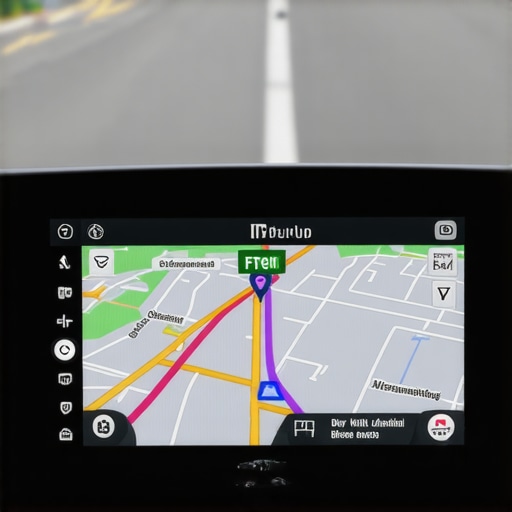
To give you an idea of the future-proof gear I rely on, here’s an image of my Garmin DriveSmart GPS, equipped with real-time traffic analysis and manual route adjustments, essential for maintaining on-time reservations even during peak hours.
What I Didn’t Realize About Routine Checks Before It Was Too Late
One of the most profound lessons I learned was that even the smallest detail in your safety protocol can have outsized consequences. I once trusted a driver’s word about their vehicle’s condition, only to find out later that a hidden crack in the chassis was a safety risk. That realization pushed me to adopt a policy of visual inspections and verifying maintenance records, which dramatically improved safety outcomes and peace of mind. The hidden lesson? Never assume—always verify. This approach became a cornerstone of my safety-first philosophy, reminding me that vigilance in the small things ensures trust and reliability in the big picture.
The Little-Known Tactic That Keeps Reservations on Time
Success in maintaining punctuality isn’t just about choosing the fastest route. Over time, I discovered that coordinating real-time communication channels—like dedicated apps or quick check-in calls—prevents last-minute surprises. During a peak traffic event, using a customized alert system alerted my dispatch team to adjust routes proactively, saving us precious minutes. This proactive monitoring creates a buffer against unpredictable delays, emphasizing the power of anticipation over reaction. It’s a simple yet often overlooked tactic that guarantees your reservation arrives precisely when needed, every hour of every day.
Why the Most Critical Safety Check Isn’t What You Think
Many believe verifying documents is solely a bureaucratic step, but I’ve come to see it as a foundational trust-building process. A moment’s glance over a license or insurance might seem trivial, but I learned that authentic, unexpired, and clear documents often correlate with responsible drivers and well-maintained vehicles. Once, a quick verification uncovered a license suspension that could have compromised safety and scheduling. This experience underscored that the real importance isn’t just compliance—it’s about safeguarding your reputation and the safety of everyone involved. Never underestimate the preventative power of thorough initial checks.
Essential Resources That Elevated My Approach to Safety and Punctuality
Over the years, I’ve curated a toolkit of resources that keeps my operations smooth. For real-time tracking and verification, I rely on platforms like this comprehensive guide. I trust reservation management software with proven reliability, such as those integrating mapping with scheduling features, to prevent conflicts. Additionally, I read industry-specific books like “The Art of Precision Scheduling,” which offered me strategic insights into managing multiple reservations seamlessly. These tools and knowledge sources have become my secret weapons, allowing me to maintain high standards effortlessly and consistently.
You’ve Got What It Takes to Lead in Safety and Punctuality
The journey toward mastering safety and on-time reservations is ongoing and uniquely personal. Remember, every detail you check, every tool you integrate, shapes your reputation as a reliable professional. Embrace continuous learning, adapt to new technologies, and stay vigilant. The effort you put in today builds the foundation for a future where punctuality and safety aren’t just goals—they’re habits. Take control and let your commitment shine through every reservation you manage.
What’s the one safety or punctuality tip that’s made the biggest difference for you? Share your experience below—I’d love to hear your insights!