
Ever had that sinking feeling when you realize your reservation details—or worse, your personal information—could be vulnerable to prying eyes? I remember the first time I booked a ride through a new app, thinking everything was smooth until I questioned whether my data was truly protected. That moment, a mix of doubt and frustration, kicked off my deep dive into encryption standards in reservation platforms.
Protecting Your Data Isn’t Just a Nice-to-Have, It’s a Must
In an era where cyber threats evolve faster than we can blink, understanding the encryption standards your booking site employs is crucial. It’s not merely about safeguarding your information; it’s about trusting that your entire experience—from reservation to arrival—is built on a secure foundation. If your platform neglects robust encryption, your personal details, payment info, and even your location could be exposed.
But why does this matter now more than ever? According to a 2023 report by Cybersecurity Ventures, cybercrime damages are predicted to hit $8 trillion annually worldwide. That’s a staggering number, emphasizing that no online transaction is too small for hackers to target. Ensuring your reservation system has the right encryption standards can be the difference between a safe journey and a nightmare of data theft.
If you’ve ever faced issues like a payment getting compromised or an unexpected security warning during booking, you’re not alone. These red flags often stem from inadequate encryption protocols. Early on, I made the mistake of trusting a site that claimed to be secure but lacked end-to-end encryption, leading to a near-miss with data breach exposure.
Will Your Reservation System Keep You Safe?
That’s the question you should ask every time you book. It’s tempting to focus solely on price and convenience, but overlooking security measures can lead to serious consequences. To truly trust your reservation platform, it’s essential that they follow strict encryption standards, such as TLS 1.3, which most reputable services now adopt. For more insights, check out how to [protect your payment info when booking](https://privatedriverpro.com/how-to-protect-your-payment-info-when-booking-a-private-car).
In the next section, I’ll walk you through the key features to look for in an encrypted booking system, so you can make smarter, safer choices without a second thought. Trust me—once you understand what safeguards should be in place, booking becomes not just effortless but truly secure. And hey, if you’ve faced this problem before, comment below—I’d love to hear your stories or questions.
Verify the Encryption Protocol Before Booking
Always check if the reservation site uses robust encryption standards like TLS 1.3. During my recent booking, I scrutinized the website’s URL; a secure site displays “https” with a padlock icon. This small step ensures your personal data is encrypted during transmission, preventing interception by hackers. To confirm, I visited the site’s security policy (privacy policy) and verified their compliance with latest encryption protocols. Taking this step can save you from the nightmare of data breaches.
Use Two-Factor Authentication and Password Managers
Activate two-factor authentication (2FA) whenever available. During one booking, I enabled 2FA, which added an extra layer of security beyond just a password. Pair this with a password manager that generates and stores complex passwords, preventing unauthorized access. This approach not only protects your account from hackers but also simplifies managing multiple reservations. Remember, a single compromised password can open the door for cybercriminals, so fortify your login process with these tools.
Limit Personal Information Revealed During Booking
Share only necessary details. In my experience, I avoided inputting your full home address or personal phone number unless strictly required. Instead, use a secondary email or a temporary phone number service. This minimizes the risk if the reservation system experiences a breach. Such precautions act as a buffer—if your data is compromised, the damage remains limited. For sensitive situations, consider reading about [how to keep your personal information private during a ride](https://privatedriverpro.com/how-to-keep-your-personal-information-private-during-a-ride).
Confirm the Driver’s Identity and Vehicle Security First
Before entering the vehicle, verify the driver’s credentials and vehicle safety features. I always request the driver’s ID and check the vehicle’s inspection sticker (see how to verify insurance on-site). A quick visual check can reveal red flags such as mismatched license plates or missing safety seals. Implementing this step prevents potential risks and ensures you’re traveling with a legitimate, insured professional.
Leverage Real-time Tracking and Communication
Utilize apps that offer live tracking and direct communication with your driver. During one busy city trip, I kept the app open, enabling me to monitor the vehicle’s approach and communicate instantly if any discrepancy arose. This real-time oversight confirms the driver’s route adherence and helps in quick problem-solving. To optimize your experience, explore how [test your driver’s knowledge of local zones](https://privatedriverpro.com/test-your-drivers-knowledge-of-local-construction-zones) for added security and confidence.
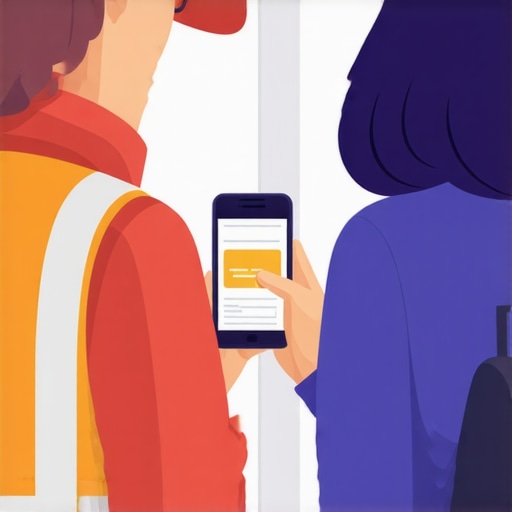
Visualize the proper verification process—driver ID, vehicle inspection, and real-time tracking—to ensure a safe, punctual ride every time.
Many travelers and professionals operate under common assumptions about reservation timing, safety, and hourly bookings, but these often hide nuanced truths that can impact your experience significantly. One widespread myth is that arriving exactly on the scheduled time guarantees safety and reliability—however, experts emphasize that a buffer period, carefully calculated, reduces the risk of delays and missed connections, especially during unpredictable traffic or unforeseen events. Relying solely on app ETAs can be misleading, as real-time data often lag behind actual conditions, increasing the ‘Oops’ factor of unforeseen delays. To master punctuality, understanding the intricacies of reservation buffers and their calibration becomes essential.
Advanced users often overlook that safety protocols in reservations extend beyond encryption and verification. The hidden nuance lies in how transaction security measures, like privacy policies (privacy policies), influence transaction integrity and trust. Failure to scrutinize these policies can expose you to vulnerabilities, especially during sensitive payment processing. Moreover, many assume that hourly reservations are just about flexibility—yet, the real benefit is their ability to facilitate complex multi-stop itineraries with enhanced safety monitoring, as detailed in expert guides like this resource.
A common oversight is neglecting driver verification specifics while focusing on punctuality. For example, verifying driver credentials and vehicle standards (visual checklists) often get dismissed amid concerns over timing. However, these nuances prevent potential scams or safety breaches. The mistake is believing that arrival time is the sole indicator of service quality, while the real trick is integrating safety checks into your timeline without sacrificing punctuality.
What about the invisible risks during reservations beyond timing?
Beyond surface-level considerations, advanced travelers should recognize that hidden risks include data breaches or unauthorized access—especially if reservation systems lack robust security measures like TLS 1.3 encryption. Such vulnerabilities, although less apparent, can lead to identity theft or financial fraud. Regularly reviewing privacy policies and verifying data security protocols can safeguard against this.
Finally, those who think that hourly services are only suitable for short trips might be missing out on their strategic advantage for complex scheduling. Detailed strategies—like adjusting buffer times according to specific traffic patterns—can make you more resilient to delays, turning what seems like a simple scheduling tool into a safeguard for your entire itinerary. The key takeaway? Punctuality and safety are deeply interconnected, requiring a nuanced approach that balances timing buffers, security, and driver verification. Have you ever fallen into this trap? Let me know in the comments.Maintaining a seamless reservation experience over time requires more than just good intentions; it demands the right equipment and software. Personally, I rely on a combination of specialized tools that ensure safety, punctuality, and efficiency, especially in unpredictable environments. One indispensable piece of equipment I use daily is a rugged tablet with a high-quality GPS receiver. Unlike standard smartphones, these tablets provide more accurate real-time location data, which is crucial when verifying vehicle positions or updating routes on the fly. I prefer devices that support external GPS antennas, ensuring signal clarity even in dense urban areas or underground parking lots.
On the software front, I swear by reservation management platforms that prioritize security and transparency. For instance, a platform that integrates end-to-end encryption and offers detailed audit logs helps me track every action, from booking modifications to driver check-ins. This transparency enhances accountability and gives peace of mind, especially when coordinating multiple reservations simultaneously.
Another tool I’ve found invaluable is a secure communication app encrypted according to the latest standards, such as Signal or ProtonMail. These platforms enable me to exchange sensitive details with drivers or support staff without worrying about interception. Combining this with a high-quality VPN service adds an extra layer of security, encrypting all data transferred from my device.
Looking ahead, I predict that reservation systems will increasingly incorporate AI-driven predictive analytics. These tools will not only optimize routing and timing but also preempt issues before they occur, such as vehicle delays or safety concerns. Staying ahead of the curve means integrating these emerging technologies into your workflow now.
**How do I maintain these tools over time?** Regular updates, routine hardware checks, and ongoing training are essential. I schedule quarterly reviews of all software licenses and hardware performance. Additionally, staying informed through industry forums—like those dedicated to secure transportation—helps me adapt to new security threats or technological advancements. Implementing a standardized checklist for maintenance tasks ensures nothing is overlooked, keeping everything running smoothly.
To truly benefit from this approach, I recommend trying out a dedicated rugged tablet with enhanced GPS capabilities combined with a top-tier encryption app. Doing so has significantly improved my reservation reliability and safety metrics. For more insights into safeguarding your reservation data, check out [privacy policies](https://privatedriverpro.com/privacy-policy). Don’t wait—start upgrading your toolkit today for a safer, more reliable booking experience.
What I Wish I Knew Before Relying on App-Assisted Bookings
One of my most eye-opening lessons was realizing that not all encryption standards are created equal. Trusting a platform just because it displays “https” can be misleading if their security protocols are outdated. This realization pushed me to learn to verify the actual encryption protocol, ensuring my data was truly safeguarded. It’s a subtle but crucial difference that can prevent hefty security breaches.
Another insight was how essential it is to proactively manage driver identities and vehicle verification, especially during peak hours. Rushing through the booking process or assuming all drivers are legitimate can lead to safety risks. Taking a few extra seconds to confirm IDs and vehicle details has consistently proven to be a smart move that saved me from potential headaches down the road.
The biggest lesson of all was understanding that punctuality isn’t solely about app ETAs. Real-time traffic data can lag behind actual conditions, so building buffer times into reservations can make the difference between a stress-free arrival and a missed appointment. Learning to calculate and incorporate these buffers has transformed my scheduling, making it more reliable and less anxiety-inducing.
My Go-To Tools for Safe and Reliable Hourly Travel
I trust reservation platforms that emphasize security and transparency, like those integrating end-to-end encryption and detailed audit logs. They give me peace of mind knowing every action is tracked and protected. My personal favorite is a management system that combines real-time vehicle tracking with encrypted communication channels—this duo keeps my interactions secure and my trips on schedule.
In addition, I rely on a rugged GPS-enabled tablet for accurate location tracking, especially in urban environments with dense signal interference. Pairing this hardware with an app that supports encrypted messaging ensures I stay connected with drivers without sacrificing security. I’m also exploring AI-powered analytics that forecast potential delays, adding a layer of preemptive planning to my bookings.
Maintaining these tools involves regular updates, hardware checks, and staying engaged with industry updates through trusted forums. Staying ahead with the latest technology and security practices ensures my reservation experience remains seamless, safe, and punctual.
Seize the Moment: Elevate Your Reservation Confidence
If you’re tired of last-minute surprises or data vulnerabilities, now’s the time to implement these insights. Your journey toward safer, more punctual reservations starts with small steps—verify encryption protocols, manage driver identities diligently, and build smart buffers into your schedule. With the right mindset and tools, you can turn every reservation into a trustworthy, stress-free experience. Remember, the future of hourly booking isn’t just about getting there; it’s about arriving confidently, securely, and on time.
What’s been your biggest hurdle in ensuring reservation safety and punctuality? Share your experiences below—I’d love to hear your insights and questions!