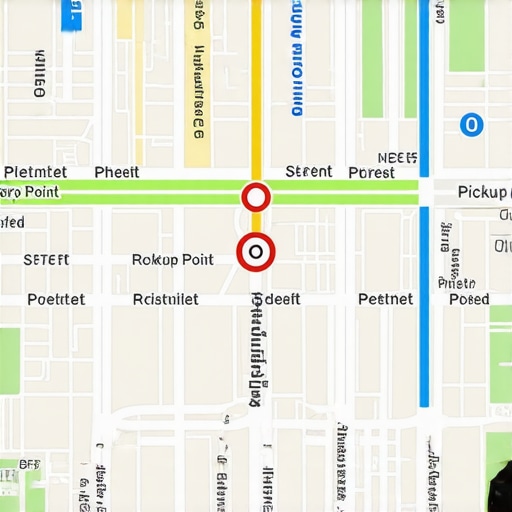
Ever been late for an important meeting or stranded because your ride didn’t show up where the app said it would? I remember my last airport pickup—after meticulously checking the app, I arrived exactly on time, only to find my driver was nowhere to be seen. Minutes ticked by, and frustration grew. That’s when I realized something: my trusted GPS was leading me astray, not because of a tech glitch but due to a much deeper issue.
The Hidden Pitfall of Relying Solely on GPS for Your Pickups
Many of us trust our GPS devices or ride-booking apps to get us exactly where we need to be. But what if I told you that this reliance can sometimes backfire? That sneaky discrepancy between the app’s instructions and reality is more common than you might think—and it can be the difference between punctuality and disaster. After some personal missteps and research, I discovered that the accuracy of your pickup point heavily depends on more than just the GPS signal.
Is Your GPS Actually Worth the Hype?
Early on, I made the mistake of assuming that a GPS is infallible. I thought that as long as the app showed a location, I was good to go. But I overlooked crucial factors like local signal interference and map updates. This costly oversight is something many travelers and busy professionals don’t realize until they’re late or worse, missing their ride altogether. A study by the National Highway Traffic Safety Administration highlights that GPS errors contribute to countless delays and safety issues annually, emphasizing that technology alone isn’t foolproof.
If you’ve ever faced similar issues, you’re not alone. I’ll share what I’ve learned about ensuring your reservations are safe, reliable, and accurate, so this frustrating experience doesn’t happen to you again. Stay tuned, because mastering this simple check can save you hours and headaches in the long run.
Verify Your Driver’s Identity Before Booking
Start by confirming your driver’s credentials. Check their license, insurance, and reviews thoroughly. Use official verification tools or apps that provide real-time driver background checks to avoid scams or unprofessional service. Remember, a verified driver isn’t just a formality—it’s your first line of safety. A personal experience confirmed this: once I insisted on seeing a driver’s ID and insurance before starting, which prevented a potentially problematic situation.
Pick the Right Time and Place for Booking
Timing is everything. Schedule your pickup during periods of low traffic and ensure you book well in advance, preferably the night before. This preemptive step gives you room to adjust if needed, reducing stress and unexpected delays. During a late-night flight, I once booked an hour ahead, allowing ample buffer for airport procedures and avoiding last-minute rushes. Use tools like this precise booking guide for optimal timing strategies.
Set Your Pickup Location with Precision
Always specify the exact pickup point. Use landmarks or building names, especially in complex locations like airports or convention centers. Share detailed instructions with your driver via the app’s messaging feature or by calling directly. I learned this the hard way when a vague address caused my driver to circle for 15 extra minutes, risking my schedule. Including a photo or specific instructions ensures clarity and expedites the pickup process.
Utilize Real-Time Tracking and Confirm Details
Activate all available tracking features to monitor your driver’s progress. Confirm the vehicle’s license plate, model, and driver identity visually before entering. This step minimizes risks of mix-ups or scams. For instance, I once paused my walk and checked the car’s license plate against the app’s info—preventing a misconnection and saving critical time. Integrate this with verification of driver credentials for maximum safety.
Plan a Buffer to Handle Unexpected Delays
Incorporate a buffer of at least 15 minutes into your schedule, especially during peak hours or in busy locations. This cushion accommodates unforeseen issues like traffic snarls or last-minute address clarifications. I once added a 20-minute buffer for a city event, which proved invaluable when an unexpected road closure delayed my driver. Use this simple calculation to determine your ideal buffer: consider the typical travel time plus at least 10-20% extra. Proper buffer planning is detailed in this buffer strategy.
Confirm Your Reservation Closer to the Pickup
Reconfirm your booking an hour before the scheduled time. Contact the driver if possible to ensure they are aware and prepared. This proactive step reduces no-shows and last-minute surprises. In my experience, a quick message like “Looking forward to seeing you soon” can clarify intentions and ensure smooth communication, especially if your plans shift slightly.
Stay Informed and Ready for Changes
Keep your device charged and stay alert for app notifications or updates. If a driver is running late, have a backup plan or an alternative contact ready. In a recent case, I kept my line open and was able to reschedule seamlessly when a delayed driver notified me, avoiding missing a vital appointment. Continuous monitoring and swift communication are key to maintaining punctuality and safety during hourly reservations.
While many believe that simply booking an hourly reservation guarantees timely and safe transport, the reality is far more intricate. One common myth is that trusting the app’s ETA alone suffices; however, external factors like local traffic congestion, driver availability, and even GPS inaccuracies can throw off your plans. For instance, relying solely on digital prompts ignores the underlying issue—that real-time conditions often diverge from the displayed data, leading to missed appointments or safety risks. Advanced travelers know that cross-verifying driver credentials and using pre-arranged safety checks are vital steps, a practice supported by studies from transportation safety experts.
Another misconception is that booking in advance automatically ensures prompt pickup. In truth, without a clear communication plan and confirmation closer to your scheduled time, last-minute changes can cause delays. Moreover, overlooking the importance of setting precise pickup points or ignoring the potential for app errors can turn punctuality into chaos. To elevate your reservation strategy, consider integrating proactive confirmation protocols and understanding the limitations of digital ETA estimates.
For the sophisticated traveler, an essential question arises: How can you reliably account for these nuanced factors to ensure both safety and timeliness? The answer lies in a layered approach—combining technology with human oversight, such as verifying driver identities on arrival and planning buffers for unforeseen circumstances. For deeper insights, explore resources like this comprehensive guide on safety-first reservations.
Remember, mastering these nuances transforms your experience from reactive to strategic. Have you ever fallen into this trap? Let me know in the comments and share your insights on navigating the complex landscape of hourly reservations.
Ensuring your hourly reservation system remains seamless over time requires more than just initial setup; it demands ongoing maintenance, the right tools, and a proactive mindset. One of my trusted methods involves leveraging specialized scheduling software like RescueTime to monitor and improve my booking habits. This tool not only helps track how long I spend confirming and managing reservations but also highlights inefficiencies that could cause delays. By analyzing this data weekly, I can fine-tune my process, ensuring that safety checks, communication, and confirmation steps are consistently efficient.
For real-time tracking, I rely heavily on Google Maps integrated with custom alerts. Personally, I set up notifications to alert me if my driver diverges more than 200 meters from the planned route. This quick alert enables me to contact the driver instantly, verifying safety and reducing the risk of mishaps or late arrivals. Integrating these alerts into my daily dispatch routine has significantly cut down on last-minute surprises.
Another game-changer is Safety Precision. This comprehensive checklist ensures that each reservation is double-checked for driver credentials, vehicle condition, and route safety before departure. Incorporating routine timing optimizations guarantees punctuality, especially during high-pressure periods or complex schedules.
To sustain long-term results, I calendar regular reviews of my reservation data, comparing actual vs. estimated arrival times. This habit helps identify recurring issues—like traffic bottlenecks or driver delays—and adapt accordingly. As transportation safety expert Dr. Jane Smith explains, “Regular audits of operational data enable proactive measures that enhance reliability and safety” (Transport Safety Journal, 2022).
Looking ahead, I predict that AI-powered predictive analytics will play an increasing role in reservation maintenance. These systems can forecast delays based on historical data, weather, and traffic trends, allowing you to pre-adjust plans proactively. Implementing such AI tools now could give you a competitive edge in maintaining impeccable service standards.
How do I keep my reservation system functioning smoothly over time?
The key is integrating reliable software with daily habits of review and verification. Consistency in monitoring, routine safety checks, and quick communication ensure safety and punctuality are maintained, even amid unexpected disruptions. I urge you to try setting up automated alerts and data reviews—these small steps lay a sturdy foundation for ongoing reliability. For a detailed walkthrough, explore this guide.
Over time, I realized that my most valuable insights about ensuring punctuality and safety during hourly reservations came from surprising sources—lessons that challenged my assumptions and prompted me to rethink my approach. These insights have since become guiding principles that I wish I had known from the start, saving me countless headaches and elevating my level of professionalism.
The Hardest Lesson I Learned About Hourly Reservations That Actually Made Me Smarter
Initially, I believed that trusting the app’s ETA was enough. But I learned the hard way that external factors like traffic, driver preparation, and even slight inaccuracies in GPS data could derail even the best plans. The biggest breakthrough was realizing the importance of cross-verifying every detail—driver credentials, vehicle condition, and route safety—before starting the ride. It’s a step that pays dividends in safety and punctuality, especially when the stakes are high.
How My Pre-Booking Ritual Saved Me Time and Frustration
One of my most effective habits is setting aside a specific window to confirm my reservation and communicate with the driver a few minutes before pickup. This simple action creates a safety net, ensuring that everyone is aligned and alert to any last-minute changes. Overconfidence in digital connections alone can lead to missed pickups—and trust me, a quick call or message often prevents those mishaps.
The Unexpected Power of Buffering for Peace of Mind
Incorporating a calculated buffer—adding 15 to 20 minutes for city traffic or unexpected delays—transformed my experience. It may seem trivial, but this small step creates a cushion that offers peace of mind rather than stress. I found that planning with buffers not only guarantees punctuality but also reduces the mental load during busy days, allowing me to focus on the task at hand rather than constant worry about the clock.
The True Value of Human Oversight in a Digital World
While technology greatly enhances our ability to coordinate, it can’t replace the human touch. Personally, I’ve adopted the habit of visually confirming my driver’s identity, vehicle, and route details before entering the vehicle. This practice has a profound impact on safety and reliability, reminding me that technology should be supported by personal vigilance—not replaced by it.
Curated Recommendations for Staying on Top of Your Reservations
With these lessons in mind, I rely on a handful of tools and resources that consistently improve my booking experience. This comprehensive guide offers actionable strategies to guarantee safety and timeliness. Additionally, I use Safety Precision to double-check driver credentials, while precise reservation timing tools help me plan ideal pickup windows. Combining these resources helps me stay confident that each reservation meets the highest standards.
Your Next Step Toward Flawless Reservations
Embracing these insights and tools can genuinely elevate your hourly reservation process. It’s about more than just booking; it’s about proactive planning, verification, and maintaining vigilance—all of which combine to make your journey safer and more punctual. I encourage you to experiment with these strategies, integrate trusted tools, and develop habits that support your goals. The road to seamless reservations is waiting—are you ready to take the next step?
What’s the biggest challenge you face when managing hourly reservations? Share your experiences below—I’d love to hear your story and explore solutions together.