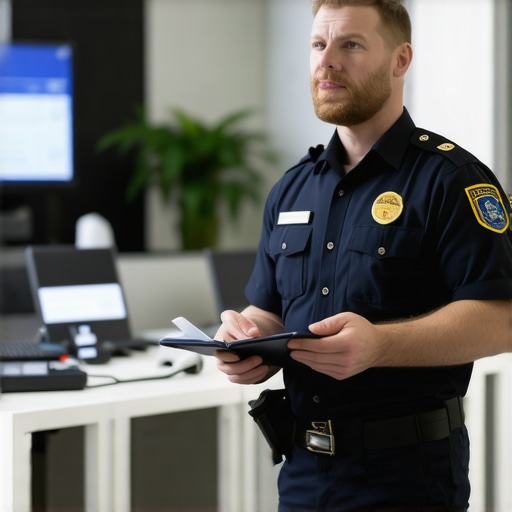
It was a morning just like any other, or so I thought. As I watched my scheduled driver arrive ten minutes early, a wave of relief mixed with alarm washed over me. Early isn’t always better—sometimes it’s a red flag. That day, I realized I had been trusting an unreliable system, and the potential risks were glaring. That reminder sparked my journey into understanding the critical need for dedicated safety in corporate transportation.
The Stakes Are Higher Than You Think
In my initial years, I believed that just booking a reputable service was enough. But a simple mistake—overlooking the importance of a dedicated safety officer—can turn a smooth ride into a nightmare. I’ve learned firsthand that without a dedicated safety protocol, companies expose themselves to unnecessary risks, from data breaches to safety lapses. Did you know that according to the National Safety Council, workplace transportation incidents cost companies over a billion dollars annually? This staggering figure underscores the importance of proactive safety measures.
Is Relying on Apps and Random Drivers Enough?
I used to think that the convenience of ride apps and freelance drivers was sufficient. But early on, I made a costly mistake—trusting a driver based solely on app ratings without verifying their credentials. This oversight could have led to serious safety issues. Over time, I discovered that a dedicated safety officer isn’t about adding bureaucracy; it’s about ensuring every ride is vetted, secure, and punctual. Want to learn how to implement these safety layers? Stay tuned, because what follows can transform your corporate travel experience.
Set Clear Reservation Windows and Confirm Early
Start by choosing a reservation window that accounts for unexpected delays. For example, if your meeting starts at 10 a.m., book the ride for 9:30 a.m. to buffer against traffic and last-minute changes. During my experience, reserving 30 minutes earlier reduced my stress and prevented last-minute scrambles, ensuring my driver arrived on time. Use tools like precise reservation timing tips to optimize this process.
Verify the Driver and Vehicle Details Before Departure
Always check your driver’s profile, license, and vehicle inspection stickers. When I first started, I made a quick glance to confirm the license number matched my booking, but I learned the hard way that a thorough visual inspection prevents impersonation. Look for red flags such as poor vehicle maintenance or inconsistent driver information. This simple routine, like rear seat audit, adds a layer of security before entering the vehicle.
Communicate Explicitly About Your Expectations
Provide your driver with precise instructions, including pickup location, route preferences, and any safety concerns. My experience shows that a clear briefing reduces misunderstandings—like informing the driver about a complex multi-stop route. A direct conversation ensures they understand your priorities, which is crucial during peak traffic hours or high-demand situations.
Use Technology Wisely to Track and Confirm!
Leverage real-time tracking links to monitor your ride’s progress. I once used a shared tracking link during a late-night airport pickup, visualizing my driver’s location and estimated arrival. If your provider offers real-time vehicle data, utilize it to stay informed. Always verify that your vehicle matches the booking details through the accompanying images or descriptions, preventing last-minute surprises.
Maintain Ongoing Safety Checks During the Ride
Periodically, check that the driver is adhering to agreed routes and safety protocols. A quick glance at the dashboard, speed, and route display can reveal deviations. I learned that a 3-minute vehicle inspection before leaving the vehicle at each stop helps spot maintenance issues or safety breaches early, maintaining peace of mind throughout your journey.
Confirm Arrival and Exit Protocols with Your Driver
As you approach your destination, communicate your preferred stopping point and confirm that the driver follows safety measures, such as secure door handling or child lock checks if applicable. After implementing this, I found arrivals to be smoother, and the vehicle’s condition more predictable, especially in busy areas. For high-profile clients or sensitive journeys, leveraging security measures detailed in reservation security strategies can elevate safety standards.
Document the Ride for Future Security
Upon completion, save digital receipts and snapshot the vehicle and driver details. This record-keeping, aligned with practices from privacy policies, ensures you have backup evidence if issues arise later. These steps fortify your overall safety and punctuality in private transportation management.
Myth: Punctuality Equals Relying Solely on Apps
Many believe that setting a reservation and trusting the app’s ETA guarantees on-time arrivals. However, in my experience, apps often underestimate traffic, driver delays, or unforeseen roadblocks. Relying solely on digital estimates can lead to missed meetings or confusion. The nuance lies in proactively reserving with a buffer and verifying details in advance, rather than trusting real-time updates as infallible. Studies, like those from the Transportation Research Board, highlight that human judgment combined with technological tools yields better punctuality than apps alone. Want tips on mastering this balance? Check out this guide on on-time arrivals.
Maintaining your private transportation system is essential for ensuring safety, punctuality, and peace of mind. Over the years, I’ve experimented with various tools and methods to keep everything running seamlessly. One of my top recommendations is investing in advanced GPS tracking systems that offer real-time data and alerts. Unlike basic apps, these systems notify me instantly of route deviations or vehicle issues, allowing for quick intervention. I personally use these real-time tracking solutions because they give me confidence that my drivers are adhering to scheduled plans and safety protocols.
Regular vehicle inspections are also non-negotiable. I follow a strict three-minute routine before every ride, focusing on inspection stickers, tire conditions, and emergency equipment. This routine is inspired by recommended best practices to prevent breakdowns or unsafe conditions. For maintenance scheduling, I rely on software like Fleetio which tracks service history, alerts me about upcoming maintenance, and keeps detailed records. This proactive approach means fewer surprises and longer vehicle lifespan.
How do I maintain long-term reliability and safety?
I believe that integrating these tools into a structured routine—regular inspections, real-time data monitoring, and scheduled servicing—creates a resilient transportation system. It’s similar to preventive healthcare; the more you invest upfront, the fewer emergencies you’ll face later. As technology advances, I expect features like predictive maintenance—which use AI to analyze vehicle data and forecast issues—to become standard. Staying ahead of potential problems minimizes downtime and enhances trust with clients.
Don’t forget to keep supplier and data privacy considerations in mind. Make sure your tools comply with privacy policies like this policy to protect sensitive information. Finally, I urge you to try implementing a comprehensive monitoring system today. Start small—perhaps with real-time alerts—and expand as you see fit. Consistent maintenance, powered by reliable tools, is the cornerstone of a safe, punctual, and scalable private transport operation. For more detailed strategies, check out this guide on on-time arrivals.
Beyond the Checklists: Trusting Your Gut When It Counts
One invaluable lesson I learned was that even with all the protocols in place, your intuition often protects you better than any form. When something feels off—whether it’s a driver’s hesitation or an unfamiliar vehicle—it’s worth pausing or aborting. Over time, I discovered that cultivating this internal radar can prevent potential safety breaches or delays, especially in high-stakes situations.
Small Details, Big Impact
Often, I underestimated the power of minor signs—like the smell of the vehicle or subtle discrepancies in driver behaviors. Paying close attention to these seemingly insignificant cues has saved me from more significant issues. Remember, in private transportation, the devil’s in the details, and sharpening your observational skills is essential for utmost safety and reliability.
My Key Discovery: Customizing Safety Protocols
Initially, I followed generic safety procedures, but I realized that every journey has unique demands. Tailoring safety checks—like requesting specific route confirmations during peak hours or adjusting reservation buffers based on the time of day—made a notable difference. Flexibility and personalization in safety measures foster better control and peace of mind.
Tools That Changed My Approach
While many rely solely on apps, integrating dedicated GPS tracking and secure communication channels revolutionized my transportation management. Tools like real-time data systems provide an added layer of confidence. These resources not only enhance punctuality but also empower you with concrete evidence in case of disputes, transforming how I oversee private rides.
My Personal Take on the Future of Private Transit Safety
As technology advances, embracing innovations like AI-driven maintenance alerts or biometric driver verification will become standard. The key is proactive adaptation—preparing now ensures that your safety and punctuality aren’t left behind. Investing in these future-ready solutions is the ultimate way to elevate your transportation experience beyond the basics.