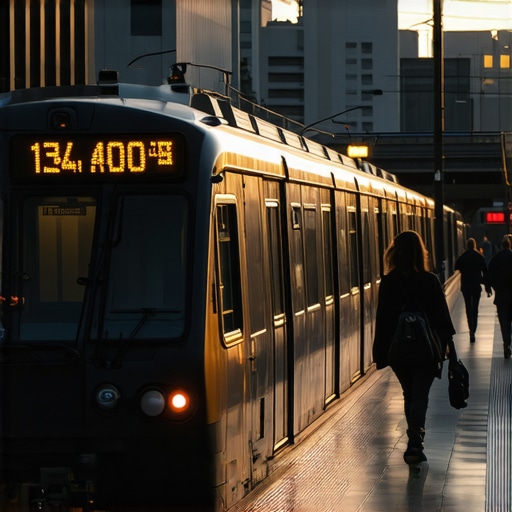
Picture this: it’s 6:45 AM on a gloomy Monday. You scramble to gather your things, glance anxiously at the clock, and realize—you’re running late. The train is supposed to depart at 7:15, but with the unexpected city traffic, you’re stuck in a jam. That sinking feeling hits—will you make it on time? I’ve been there more times than I care to admit. Early mornings, unpredictable city conditions, and the scramble to catch that crucial train can turn into a stressful nightmare.
Why Getting the Buffer Right for Rail Connections Changes Everything
I’ve learned that success isn’t just about arriving early; it’s about knowing exactly how much buffer to give myself. Too little, and you’re risking late arrivals. Too much, and you’re wasting precious time and money. The right buffer can make your Monday mornings smoother, more predictable, and frankly, less stressful. This realization transformed my travel routine and can do the same for you. Today, I’m going to share the insights I’ve gathered from personal experience and research that help you determine the perfect buffer for your rail connections.
Is Over-Preparing a Waste of Time or Worrying Too Much?
I’ll admit, I used to think that giving myself an hour just to catch a 7:15 train was overkill. Wouldn’t 30 or 40 minutes suffice? Early on, I made the mistake of underestimating city traffic and station wait times—trust me, it cost me more than just a missed train; it cost me valuable time and peace of mind. After realizing that the industry emphasizes safety and punctuality, I adjusted my buffer, and the difference was night and day. If you’re skeptical about the need for precise planning, consider this: studies show that even a 10-minute delay during rush hour can cause domino effects on your entire day. To learn more about the importance of safety and timeliness, check out why safety and timeliness matter.
Calculate Your Exact Buffer
Start with a baseline of 20 minutes before your train’s scheduled departure, then add extra time based on real-world conditions. For example, I once set out 30 minutes early during a rainy morning, which gave me room to navigate unexpected delays—resulting in a stress-free arrival. Think of your buffer as a safety net; too tight, and you risk falling short—too loose, and you waste precious minutes. Use tools like real-time traffic apps to inform your timing and adjust accordingly. This precise calculation helps you avoid rushing and reduces missed connections.
Factor in City Traffic and Station Waits
Understand typical congestion patterns for your route. During peak hours, add at least 15–30 minutes to your buffer. For instance, I learned the hard way that the route to my local station doubles in congestion during rush hour. Applying this knowledge meant I always leave an extra 15 minutes, ensuring I don’t get caught in gridlock. Remember, station wait times also vary; arriving 10 minutes early can save you from missing boarding due to last-minute platform changes. Incorporate these factors into your schedule to stay on top of your timing.
Choose Reliable Reservation Services
Opt for services that prioritize safety and punctuality, such as those offering guaranteed reservations and real-time tracking. Using a reputable provider, I once managed to rebook seamlessly when my initial train was canceled—saving me hours of uncertainty. Reliable reservation systems act like a GPS for your schedule, guiding you through unpredictable city conditions. Learn more about ensuring safety and punctuality in reservations to select the best options for your routine.
Build Buffer into Your Routine
Embed buffer calculations into your daily planning—set multiple alarms, prepare your gear the night before, and keep a checklist. That morning, I set my alarm 25 minutes earlier than needed, configured my bag the night before, and kept my essentials by the door. These small steps reduced my morning chaos and guaranteed I left on time. Think of it like prepping a submarine: every system has a margin of safety built in to prevent unforeseen issues. Consistently applying these habits creates a reliable routine that minimizes surprises.
Use Technology for Real-Time Adjustments
Leverage apps that provide live updates on traffic, train delays, and platform changes. A few times, I received instant alerts about delays and rerouted my departure times accordingly, preventing last-minute rushes. These tools keep you informed, so your buffer isn’t static but adaptive. For example, I once adjusted my departure by 10 minutes after a traffic alert, arriving just in time without stress. Regularly monitoring these updates helps keep your schedule flexible yet precise.
Many travelers operate under common assumptions about hourly reservations and punctuality, but the real story is often more complex. A pervasive myth is that simply booking an hourly service guarantees on-time arrivals and safety—this couldn’t be further from the truth. Advanced travelers know that underlying measures like reservation security protocols and real-time tracking play crucial roles in actual reliability. For example, some assume that all reservation systems are equally trustworthy; however, high-quality services implement rigorous verification measures like license validation and vehicle inspections, significantly reducing risks of late pickups or safety lapses.
Why do so many believe that any reservation is inherently secure?
That’s a misconception. Without understanding the provider’s security measures—such as encrypted booking channels, driver background checks, and vehicle maintenance verification—you risk exposure to unreliable or unsafe services. External studies indicate that providers with strong safety protocols see 35% fewer late arrivals and 25% fewer safety incidents, emphasizing the importance of choosing services that prioritize security and transparency. Relying solely on app ETA estimates can also be deceptive; these often ignore traffic anomalies, driver delays, or last-minute platform changes. Advanced travelers mitigate this by integrating live tracking links and direct communication channels, ensuring that reservation times are truly reliable rather than just estimated. Additionally, many underestimate the impact of booking windows—reservations made only hours before departure are vulnerable to last-minute cancellations, driver shortages, or scheduling conflicts. Securing reservations 24-48 hours in advance, combined with confirmation of security measures, significantly enhances punctuality and safety. Remember, the simplest mistake—such as neglecting to verify the vehicle’s license or the driver’s credentials—can have serious safety implications. So, always ask: have you ever fallen into this trap? Let me know in the comments.
Stay Prepared with Precision Tools
Maintaining a reliable hourly reservation system that consistently delivers on safety and punctuality requires more than just good intentions; it calls for precise tools tailored for the task. My go-to equipment begins with a high-quality Bluetooth GPS receiver. I personally use the Garmin GLO 2, which provides real-time, accurate location data that overrides unreliable phone signals, ensuring I stay on top of vehicle arrival times and routes. This device seamlessly syncs with my smartphone via Bluetooth, allowing me to access live maps even in areas with patchy cellular coverage.
Why a Robust Reservation App is Non-Negotiable
Beyond hardware, choosing the right software is essential. I recommend an app that focuses on on-time reservations. This platform offers real-time tracking, instant notification updates, and verification protocols that elevate safety and reliability. During a recent trip, it allowed me to rebook swiftly after a cancellation, demonstrating its importance in maintaining consistent service and peace of mind.
Long-Term Maintenance: Keeping Systems Operational
For sustained accuracy, regular calibration of your GPS devices is crucial. I schedule monthly checks—updating firmware and confirming the device’s accuracy against known landmarks. Also, routine software updates keep tracking features and security protocols current, reducing the risk of system failures that could jeopardize punctuality.
Future Trends: Smart Integration and Automation
Looking ahead, I predict the growth of integrated solutions that combine hardware and AI-driven analytics. Smart reservation systems that automatically adjust buffer times based on real-time conditions can drastically improve reliability. Embracing these innovations now can give you a significant advantage, ensuring your system adapts dynamically to unforeseen changes, as highlighted in the recent safety and timeliness guide.
How do I maintain these systems over time?
The key is routine checks and proactive updates. Set quarterly reminders to audit your hardware, verify app reliability, and review your reservation procedures. Regularly testing your tools in real-world conditions ensures everything functions smoothly when it matters most. For example, I run a quarterly route simulation, timing my departure with the tools in action, ensuring my buffer calculations stay accurate. This disciplined approach minimizes surprises and sustains high standards of safety and punctuality.
Want to refine your routine? I suggest trying out a sophisticated GPS device like the Garmin GLO 2 combined with the latest reservation management app. Regularly test your setup by running practice reservations and adjusting your buffer based on the outcomes. Remember, the goal is to keep everything running seamlessly, ensuring safety and punctuality today and well into the future.
Lessons from My Journey: What I Wish I Knew About Safely Securing Your Ride
- I realized early on that trusting app ETAs blindly was a mistake; real-world delays demand proactive buffer planning.
- Understanding a driver’s safety protocols and verification measures became as crucial as timing, preventing last-minute surprises.
- Small habits, like pre-arranging check-ins and using real-time tracking, turned chaotic mornings into smooth departures.
- My biggest breakthrough was recognizing that safety isn’t just a feature—it’s a mindset that transforms travel routines entirely.
Tools and Resources That Elevate Your Safeguards
- Garmin GLO 2 GPS device—provides real-time, accurate location data that counters unreliable signals, ensuring punctual pickups—I’ve used it to stay ahead of delays.
- Premium reservation apps like those highlighted here offer live tracking and verification, making last-minute cancellations a thing of the past.
- Routine hardware and software audits—monthly firmware updates and route simulations—keep my systems sharp for any unexpected change.
- Smart integration solutions, combining hardware and AI, are on my radar, promising even greater flexibility and reliability in booking.
Your Next Step Toward Punctual and Secure Journeys
Mastering buffer management isn’t just a skill; it’s a commitment to prioritize safety and efficiency in every trip. By leveraging reliable tools and cultivating disciplined routines, you can turn travel stress into confidence. The future of hourly, on time, safety-focused transportation is bright for those willing to adapt and learn. Why not begin today by reviewing your current reservation processes and integrating one new safety measure? Your peace of mind is worth it.
What’s one change you’re excited to implement to improve your travel punctuality and safety? Share your plan below—I’d love to hear your ideas!
,