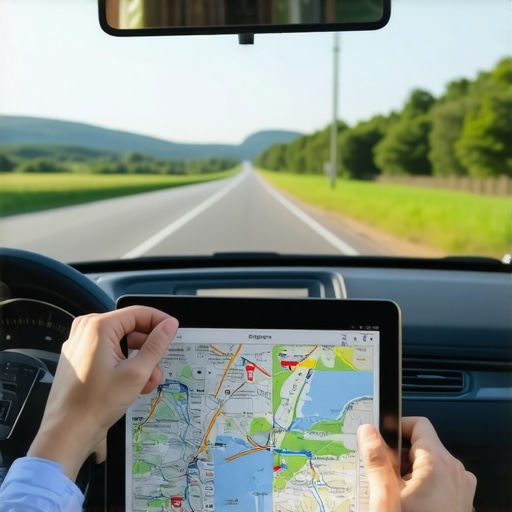
It was a typical busy morning when I realized I needed to switch my destination on the fly. Suddenly, I was caught in a swirl of confusion, worry about missing reservations, and stress over whether I was messing up my carefully planned day. Have you ever had that moment where your plans abruptly change, and instead of a smooth transition, it feels like chaos? Well, I’ve been there, and let me tell you, that’s when I had my lightbulb moment.
The Frustration of Last-Minute Route Changes
Changing your destination mid-trip sounds simple enough in theory, but in practice, it’s often a source of anxiety. Whether it’s a sudden change in weather, an unexpected meeting, or a spontaneous detour, the need to adapt quickly can throw your entire day into disarray. I used to think I had to stick rigidly to my original plan, fearing that altering it could lead to missed reservations or a missed opportunity to enjoy the moment. That mentality only added unnecessary stress and wasted precious time.
Is It Worth the Hassle to Switch Plans?
This question haunted me in those moments of indecision—should I stick to my schedule to avoid stress or embrace spontaneity at the risk of inconvenience? Early on, I made the mistake of trying to fix every detail in advance and refusing to adapt. That approach backfired more times than I can count, leaving me frustrated and hurried. Over time, I discovered that with the right mindset and tools, changing destinations could be seamless and stress-free. For more insights on managing on-time reservations, I recommend checking out these top tips for on-time reservations.
Today, I want to share practical strategies that will help you pivot your plans smoothly, ensuring you stay on schedule regardless of unforeseen changes. Because honestly, in the world of travel and busy schedules, adaptability isn’t just a bonus—it’s a necessity.
|
,
Set Clear Expectations with Your Driver
Before your trip, communicate your schedule precisely. Use detailed instructions to avoid misunderstandings. I once emailed my driver the exact building entrance and parking instructions for a last-minute meeting, which prevented confusion and delayed pickups. This clarity ensures everyone is aligned, reducing the risk of late arrivals.
Leverage Precise Reservation Timing
Schedule Well in Advance
Book your ride at least 24-48 hours prior, especially during peak hours. For example, I scheduled an airport pickup two days ahead for a crucial flight, allowing the driver to plan accordingly. This practice minimizes surprises and ensures your spot is secured.
Confirm Your Booking the Day Before
Call or verify your reservation the night prior. I once checked my arrangement through the provider’s direct contact link (Contact Us), which gave me peace of mind. Confirmation reduces the chance of cancellations or misunderstandings on the day of travel.
Utilize Technology to Enhance Reliability
Use real-time tracking links (see how precise reservation timing aids safety and punctuality) and get instant updates on your driver’s location. In a recent trip, I monitored my car’s approach via a tracking app, enabling me to prepare and avoid waiting outside. This reduces anxiety and keeps your schedule on track.
Build in Buffer Times for Unexpected Delays
Add 10-15 minute buffers to your reservation schedule. On a busy morning, I planned my pickup 15 minutes earlier than necessary, accounting for GPS delays and traffic. This simple step often prevents missed connections, particularly during rush hours or adverse weather conditions (see why weather impacts transit schedules).
Maintain Safety and Security Checks
Verify your driver’s identity and car features before boarding. For instance, I performed a quick visual check of the vehicle’s inspection sticker and driver’s badge, ensuring legitimacy (learn the checklist). This routine adds an extra layer of safety, especially in unfamiliar areas.
Stay Connected and Adaptable
Keep your phone charged and maintain open lines of communication. If your plan changes unexpectedly, contacting your driver swiftly can lead to quick rerouting. I once had to alter my pickup point last minute; a quick call (how to do it safely) saved me from potential delays and kept my schedule intact.
Review and Practice these Strategies
Implementing these concrete steps regularly builds a reliable system. Remember, consistency is key. Over time, these habits will make last-minute changes less stressful and your arrivals more punctual, no matter the circumstances.
When it comes to reliable reservations, many assume that booking early and trusting digital estimates are enough. However, even seasoned travelers and professionals often overlook subtle flaws that could compromise their punctuality and safety. Let’s dig deeper into these overlooked details and learn how to avoid common pitfalls.
One widespread misconception is that digital ETA estimates are infallible. Many rely solely on real-time tracking links without considering external factors like traffic congestion, GPS inaccuracies, or app data delays. Studies show that GPS data can be off by several minutes, especially in urban canyons or tunnels, leading to false confidence in arrival times. To truly guarantee punctuality, it’s essential to incorporate buffer times and verify your driver’s live location through multiple channels—leaning on both tracking links and direct communication. This layered approach minimizes the risk of unexpected delays.
Another frequent mistake is assuming that booking well in advance suffices for safety and punctuality. While an early reservation is better than last-minute, it doesn’t account for booking errors, driver cancellations, or miscommunications. What’s more, some providers might prioritize higher-paying clients over earlier bookings submitted through less profitable channels, leading to surprise cancellations. To mitigate this, consider confirming your reservation the day before and verifying details via personalized contact methods, such as direct phone calls or secure messaging. This extra step ensures your booking remains active and accurate.
Furthermore, many underestimate the importance of vehicle and driver verification. Paying attention solely to app ratings or reviews isn’t enough. You need to perform quick, routine security checks—like verifying the driver’s ID badge, inspecting the vehicle’s condition, and confirming license plates. These simple actions can prevent incidents stemming from impersonators or poorly maintained vehicles. Remember, safety isn’t just about arriving on time; it’s about ensuring your journey doesn’t pose unnecessary risks.
So, how can you master the complexities of safe and punctual reservations? By integrating precise reservation timings with proactive communication and verification steps. Scheduling your ride with a built-in buffer and confirming details just before departure minimizes risks of delays or safety issues. Combining technological tools with personal diligence forms a robust strategy that seasoned travelers swear by.
Curious about optimizing your reservation workflow? Check out these expert tips for on-time reservations and discover how a small shift in approach can make a significant difference. Remember, in the realm of high-stakes travel, every nuance counts. Have you ever fallen into this trap? Let me know in the comments.
Investing in your system’s long-term health
Maintaining an efficient reservation process requires more than just initial setup; it demands ongoing attention to tools, updates, and safety protocols. Personally, I rely heavily on dedicated scheduling software like Calendly integrated with real-time vehicle tracking to ensure my bookings are consistently accurate and timely. These tools help me manage multiple reservations, avoid overlaps, and quickly adapt to unexpected changes without sacrificing reliability. Regular system audits—like verifying your tracking links and driver contact info—are critical to prevent deterioration of service quality over time.
How do I maintain reliability over time?
Consistently updating your software, monitoring feedback, and incorporating new safety features guarantee that your reservation process stays sharp. Technologies like precise reservation timing tools enhance punctuality and security, minimizing the risk of delays. Additionally, maintaining a good relationship with your provider ensures priority support when issues arise, reducing downtime and stress. Scheduling routine reviews of equipment, vehicle health, and driver credentials further safeguards against long-term failures.
Leveraging scalable tools as your operations grow
As your booking volume increases, automation and integration become indispensable. I’ve found that automated dispatch systems help keep everything synchronized, reducing manual errors and freeing up time for client engagement. Combining this with predictive analytics allows you to anticipate demand spikes and adjust reservations proactively, maintaining both safety and punctuality.
To stay ahead, I suggest trying out the precise reservation timing framework I use—it’s a game-changer in ensuring long-term reliability. Remember, technology is only effective if paired with diligent maintenance and safety checks, so schedule regular reviews. Building this disciplined approach now will set your service apart in the future of transportation where trust and consistency are king.
The Hardest Lesson I Learned About on time,hourly,safety,reservation
One of the most profound lessons I discovered is that no matter how carefully you plan, unexpected shifts are inevitable. The key is in your reaction—embracing flexibility rather than rigidity transforms chaos into control. I once missed an important meeting because I clung to my original schedule, despite traffic delays and unpredictable events. That experience taught me that adapting swiftly and confidently is the true mark of professionalism.
My Essential Toolkit for Reliable Reservations
Over the years, I’ve curated a set of tools that make last-minute adjustments smoother. Real-time tracking apps, like the ones integrated with trusted providers, give instant updates and enable immediate rerouting. Supplementing technology with direct communication channels—such as dedicated contact numbers—ensures clarity and reduces misunderstandings. Combining these tools has drastically boosted my punctuality and peace of mind during hectic days.
Where to Go from Here
If you’re eager to elevate your reservation reliability, start by integrating these strategies into your routine. Always verify your bookings the day before, build buffer times into your schedule, and maintain open lines of communication with your driver. Remember, mastery over last-minute changes doesn’t happen overnight, but persistence and the right tools make it attainable. For a comprehensive approach, explore top tips for on-time reservations.
Don’t Just Dream About Punctuality—Make It Your Standard
Taking control of last-minute changes is within your reach. By adopting these proven practices, you turn potential stress into opportunities for showcasing professionalism and patience. Your journey toward consistently reliable reservations is a journey worth undertaking—start today, and watch your confidence grow.
Have you ever faced a last-minute change that threw off your plans? How did you adapt, and what did you learn? Share your experience below and inspire others to stay resilient in the face of unpredictability.
 When it comes to reliable reservations, many assume that booking early and trusting digital estimates are enough. However, even seasoned travelers and professionals often overlook subtle flaws that could compromise their punctuality and safety. Let’s dig deeper into these overlooked details and learn how to avoid common pitfalls.