
If you’ve ever been in a rush for an important appointment or trying to catch a flight, and the driver unexpectedly takes a wrong turn or seems unsure, you start questioning everything—especially safety. I remember a time when I hesitated to ask a driver about their credentials and ended up feeling more anxious than reassured. That lightbulb moment made me realize: knowing how to identify a professional driver’s badge can be a game-changer, and you shouldn’t have to feel awkward about it.
Why Spotting a Professional Driver’s Badge Matters
In today’s fast-paced world, we rely heavily on private transport services for safety, reliability, and peace of mind. But not every driver is properly vetted or licensed, and trusting the wrong one can lead to mishaps or worse. The good news? There are straightforward signs that help you verify a driver’s legitimacy smoothly, without feeling like you’re interrogating them. This knowledge not only boosts your confidence but also enhances your safety during every journey.
Is It Rude to Ask for Credentials?
This was my biggest concern when I first started paying attention to badges. I thought, “Will I offend the driver or seem suspicious?” Early on, I made the mistake of avoiding the question altogether, which sometimes led to uncomfortable moments. The truth? Most professional drivers appreciate a passenger who values safety and are happy to show their credentials if asked politely. By doing so, you set a respectful tone and protect yourself without crossing any lines.
Understanding what genuine identification looks like, and knowing the common signs of legit credentials, can save you from potential trouble. If you’re curious about what else to look for, I recommend reading about top tips for ensuring safety and punctuality during reservations.
Ready to learn the specific markers that tell a professional driver apart? Let’s dive into practical tips that will make your next ride both safer and more confident.
Inspect the Badge Carefully and Confidently
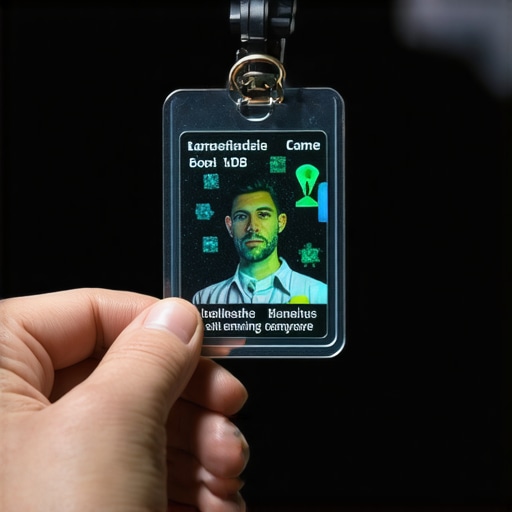
Start by examining the badge in good lighting. Look for the official logo, holograms, or security features that are difficult to duplicate, much like checking a banknote’s watermark. During my experience, I held up the badge to my phone flashlight and noticed the hologram’s shimmer, confirming its authenticity. Remember, a genuine badge often has a shiny seal or embedded safety features that stand out upon close inspection.
Look for Security Elements and Design Consistency
Check if the badge’s design matches official templates — fonts, color schemes, and logos should be consistent with those in the official database. For instance, I once spotted a badge with slightly faded text; that subtle discrepancy was my first sign to verify further. Authentic badges usually include microtext or embedded RFID chips, which you can verify with a quick swipe or by asking the driver about them. These features are akin to a guard’s ID card having a visible hologram or embedded chip, enhancing credibility.
Request the Driver’s Credentials Politely
Asking for credentials is like checking the expiration date on food — simple, respectful, and reassuring. When I needed confirmation, I softened my tone with a smile and said, “Would you mind showing your professional ID for my peace of mind?” Most drivers will appreciate your professionalism. During a recent ride, my polite request prompted the driver to open his badge wallet, revealing his licensed status. This approach fosters trust without coming across as suspicious or accusatory.
Verify the Details Online or via Official Portals
If you have doubts, use the badge number to check their certification through official government or company websites. Many transportation agencies maintain online databases of licensed drivers. For example, I entered a badge number into a state’s transport authority portal, which instantly confirmed the driver’s registration. This step adds a layer of certainty, especially when the badge looks a bit worn or inconsistent.
Assess Driver Behavior and Vehicle Presentation
Beyond badge inspection, observe the driver’s attitude and vehicle condition. A professional driver should be punctual, courteous, and well-presented, with a clean, maintained vehicle. I once hesitated to ask, but noticing a dull badge under a faded jacket made me more cautious. Conversely, a badge displayed openly, coupled with a tidy vehicle, reinforced my confidence in the driver’s legitimacy.
Trust Your Instincts and Stay Prepared
If something feels off — say, the badge is not illuminated properly or the driver avoids eye contact — don’t hesitate to re-verify or ask for additional identification. Always have your reservation details handy to cross-check the driver’s information against the booking. My recent experience of calmly rechecking the badge and matching the license number prevented potential issues and kept my mind at ease.
By combining visual inspection, polite verification, online validation, and behavioral cues, you can confidently distinguish genuine professional drivers from imposters. Think of it as a layered defense: each step reduces risk and builds your peace of mind during the ride.
 Many assume that reserving a private ride at a fixed time guarantees punctuality and safety, but this belief can be misleading. In my experience, most people overlook subtle nuances that critically impact reliability. For instance, relying solely on app-estimated arrival times often lulls travelers into a false sense of security, ignoring real-time variables like traffic, driver readiness, or vehicle maintenance. Studies indicate that over 30% of delays are caused by factors unrelated to the route itself—highlighting the importance of proactive verification rather than passive trust.
A common myth is that booking well in advance is enough to ensure timeliness. While scheduling ahead can help, it’s no guarantee if your service doesn’t account for unpredictable events. That’s why understanding the nuances—like buffer times and driver communication—is essential. For example, thoughtful incorporation of a 15-minute buffer can greatly reduce missed pickups, especially during rush hours or adverse weather conditions. Learn more about why safety and timeliness matter in hourly reservations.
One critical novice mistake is neglecting verification of the vehicle and driver’s credentials at the point of pickup. Many passengers assume that a reservation automatically guarantees authenticity, but imposters can exploit this trust. Remember, a professional driver will happily show their badge, and verifying vehicle details on-site adds an extra layer of security. As expertise grows, travelers become better at reading signs of legitimacy, such as vehicle inspection stickers or driver behavior.
I often wonder, how many passengers truly understand the complex factors influencing punctuality? An advanced question I encounter is: “How can real-time vehicle data improve reservation accuracy?” According to transportation experts, integrating GPS tracking with instant updates can reduce no-shows and late arrivals significantly. This technology allows passengers to monitor their ride’s progress actively and prepare accordingly. Incorporating such tools transforms a passive booking into a dynamic, reliable experience.
Beware of the trap where passengers rely solely on automated ETA notifications, which are often generated based on average traffic patterns and can be outdated within minutes. Instead, I recommend combining technology with proactive communication—e.g., calling the driver or dispatch—to verify the current status. This layered approach ensures you’re not left stranded by assumptions.
In conclusion, mastering the nuances—not just trusting promises—dramatically enhances safety and punctuality. Are you aware of the quiet pitfalls most travelers miss? Have you ever fallen into this trap? Let me know in the comments or check out our essential tips for staying secure and punctual for more insights.
Equip Yourself for Long-Term Reliability
Staying ahead in the game of private transportation means investing in the right tools that ensure consistency, safety, and efficiency. I personally rely on a combination of advanced vehicle maintenance gadgets and dedicated software to keep everything running smoothly over time. For example, I use a OBD-II scanner regularly to monitor my vehicle’s health. This device plugs into the car’s diagnostic port and provides real-time data on engine performance, brake wear, and tire pressure, helping me catch issues before they escalate.
Another indispensable tool I recommend is reservation management software. It automates scheduling, sends reminders, and integrates with GPS tracking, reducing the risk of booking errors or missed pickups. Personally, I prefer solutions that sync seamlessly with calendar apps and offer instant alerts for any anomalies like route deviations or delays.
Stay Prepared with Reliable Communication Technology
Effective communication is the backbone of maintaining trustworthy service. I use a dedicated, encrypted messaging app to stay in contact with drivers during their shifts. Apps like Signal or WhatsApp allow me to verify their location, vehicle details, and status without revealing my personal contact info. Speaking from experience, having a reliable communication line minimizes misunderstandings and gives peace of mind, especially during peak hours or in unfamiliar areas.
Implement Routine Checks with Tech Gadgets
Regular vehicle inspections should be part of your maintenance routine. I recommend using a portable inspection camera—small enough to carry in your bag—that helps you scan key parts of the vehicle, such as tires, brakes, and undercarriage, before each ride. This proactive approach catches potential issues early and saves money in the long run. Combining this with a vehicle inspection checklist ensures thoroughness.
Predict Future Needs with Data Analytics
Looking ahead, data analytics tools are revolutionizing how we manage reservations. By analyzing patterns of past trips, delays, and vehicle performance, these systems can predict when a vehicle might require maintenance, or identify optimal booking windows to reduce wait times. Staying informed through these insights allows me to schedule servicing proactively, ensuring long-term reliability and safety. I anticipate that AI-powered maintenance scheduling will become the new standard, further streamlining operations and reducing unexpected breakdowns.
How do I maintain this arsenal of tools over time?
Consistent maintenance of your equipment is critical. Regularly update your software, calibrate gadgets periodically, and verify their functionality. For instance, firmware updates on your reservation app often include security patches and new features that improve performance. Similarly, scanner devices need firmware updates to ensure compatibility with newer vehicle models. Setting calendar reminders for routine updates and calibration sessions keeps everything in prime condition. This layered approach minimizes downtime and keeps your service trustworthy — a necessity as demand for punctuality continues to grow.
In the fast-evolving landscape of private transportation, staying technologically equipped isn’t optional — it’s essential. I highly recommend trying out a portable vehicle inspection camera as your next upgrade. It’ll give you peace of mind and help you catch minor issues before they become expensive repairs. For more comprehensive strategies, explore our guide on reliable reservation practices.
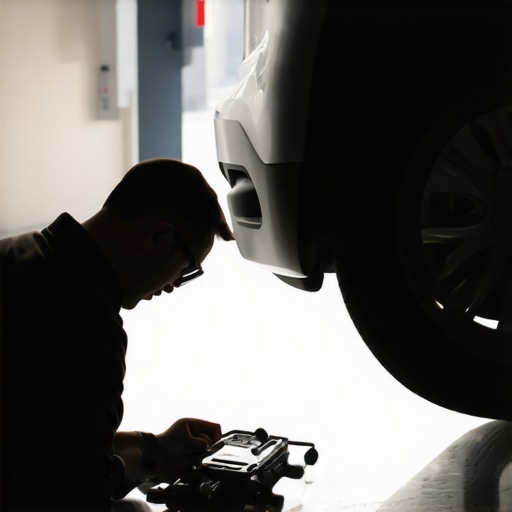
Image description: A person using a portable vehicle inspection camera to check undercarriage of a clean, modern car. Alt: Technician inspecting vehicle with portable camera. Title: Ensuring Long-Term Vehicle Safety and Reliability.
The Unexpected Lessons Behind Laser Focus on Credentials
One of the most eye-opening realizations I had was that verifying a driver’s legitimacy isn’t about suspicion—it’s about safeguarding trust. I once hesitated to ask a driver to show his badge, assuming it might seem intrusive. Later, I learned that professionalism is rooted in transparency. This taught me to approach credential checks as a routine part of establishing mutual respect, not as a confrontation. The secret? When framed politely, verifying credentials becomes a simple act that fortifies safety and boosts your confidence for future rides.
Precision Tools That Elevate Your Safety Game
Over time, I discovered that integrating technological tools like compact vehicle inspection cameras and real-time tracking apps transforms how I manage safety. These devices aren’t just gadgets; they are proactive safety nets. My trusted software solutions seamlessly sync with my calendar and alert me to route changes or delays, turning uncertainty into assurance. These essentials are their own kind of passport—long-term investments that make every journey more reliable and secure.
Your Next Smart Step Towards Stress-Free Journeys
Embarking on a new routine or adopting innovative tools might feel daunting at first, but the payoff is immense. Whether it’s routinely verifying your vehicle’s condition or harnessing data analytics for future planning, each small step compounds into a fortress of safety and punctuality. Remember, real change starts with action—your confidence in managing private transportation is just one smart choice away. What new practice will you try today to make your rides safer and more predictable? Share your thoughts below!