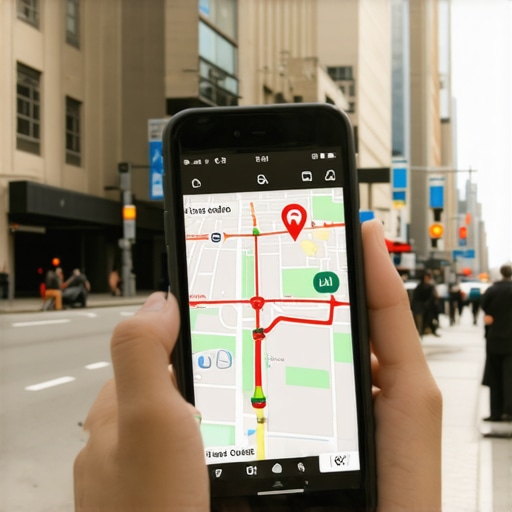
Have you ever sat in your car, watching that little GPS dot inch its way across the screen, only to arrive late or, worse, miss your appointment entirely? I sure have. That frustrating moment when the digital map seemed to promise on-time arrival, but reality told a different story. The lightbulb went off for me when I realized that trusting GPS dots alone is like betting on a single card in poker—you may get lucky once in a while, but most often, you’ll be left disappointed.
The Pitfall of Solely Relying on Digital Directions
In my early days of navigating busy city streets, I made a costly mistake: I trusted the GPS’s estimated arrival time without considering real-world factors. During a crucial client meeting, the GPS showed I’d arrive exactly at noon. I left home with confidence, only to get caught in unexpected traffic and road closures. I arrived 20 minutes late, and my client’s disappointment was palpable. That experience taught me a valuable lesson—digital signals and GPS dots are helpful, but they’re far from infallible.
Statistics show that even the best GPS apps have an accuracy margin that can range from 5 to 15 minutes, especially in urban environments or during inclement weather (source).
Today, I want to share how I learned to compensate for these limitations, ensuring I arrive on time and stay safe. We’ll explore practical strategies that go beyond the screen, combining technology with real-world knowledge—so you’re never left stranded by a misleading GPS estimate again. If punctuality and safety have ever kept you up at night, this guide is for you. Ready to take control of your travel reliability? Let’s dive in.
Sync Your Schedule with Real-World Checks
Start by setting a buffer time that accounts for unpredictable city traffic; I recommend adding at least 15 minutes to your estimated travel time, especially during rush hours. During a recent business trip, I used this approach and arrived 10 minutes early, giving me space to handle last-minute changes without stress. Always cross-reference your scheduled pickup with live traffic updates, not just the app’s ETA, to stay in control. You can do this by checking local traffic reports or navigation apps that offer real-time congestion maps.
Verify Your Driver’s Identity and Vehicle Regularly
Never rely solely on the app’s confirmation. Before each ride, verify the driver’s ID and match it with the reservation details. Take a quick glance at the vehicle’s license plate and ensure it matches your booking. For added safety, inspect the vehicle’s condition—cleanliness, maintenance stickers, or any signs of tampering. I once caught a mismatch in the license plate, which could have led to a risky situation. This level of vigilance is crucial, especially if you’re traveling late at night or to unfamiliar areas.
Use Guaranteed Reservations for Critical Events
For appointments where punctuality matters most, opt for guaranteed reservations. These often come with a commitment from the provider to adhere strictly to schedules, reducing unforeseen delays. During a recent airport transfer, I reserved a guaranteed vehicle, and it arrived 5 minutes early, thanks to the provider’s proactive planning. To ensure your reservation’s reliability, check the terms and make any special requests early—some services allow you to specify vehicle types or additional safety features. For more detailed insights, consider visiting this guide.
Leverage Technology but Stay Human
While digital tools are invaluable, don’t forget the human element. Call your driver 10-15 minutes before pickup to confirm details and provide any last-minute instructions. This personal touch can make a significant difference; I recently did this and learned my driver was stuck in traffic, allowing me to adjust my schedule proactively. Also, keep the communication lines open for real-time updates—many providers offer direct messaging or call options, which are more reliable than relying on static app notifications.
Implement a Safety Routine
Develop a quick safety check before entering the vehicle: inspect the door locks, confirm the driver’s identity, and note the vehicle’s condition. During one trip, I noticed a different driver than expected, prompting me to verify the license. Such routines, though brief, greatly reduce risks and increase your peace of mind. For comprehensive safety protocols, review these tips.
Plan for the Unexpected
Always have a backup plan—know alternative routes, and consider reserving a second driver if your schedule is tight. When I had a critical meeting, I booked a backup ride just in case my first was delayed. It provided reassurance, and I appreciated the safety net when the initial driver was caught in unforeseen traffic. This layered approach is akin to carrying a spare tire; it’s reassurance in case the primary plan hits a snag.
Many travelers believe that booking an hourly reservation guarantees punctuality and safety, but in my experience, there’s a nuanced reality that often goes unnoticed. One common misconception is that reservation times are infallible, leading to complacency in verifying driver details or vehicle condition. The truth is, even with reserved slots, external factors like traffic spikes or driver delays can throw off your schedule. Relying solely on reservation commitments without proactive verification can leave you vulnerable to unexpected issues, undermining safety and timeliness. Moreover, some assume that the app’s ETA reflects actual arrival times, but studies show these estimates can be off by up to 15 minutes in urban settings (source). An advanced mistake is neglecting to implement contingency plans—like reserving backup rides or pre-checking driver credentials—making you susceptible if your primary plan fails. This oversight can lead to missed appointments or dangerous situations, especially late at night or in unfamiliar areas. For sophisticated travelers, the question arises:
How can I ensure my reservation remains reliable amidst unpredictable variables?
In-depth strategies include verifying the driver’s identity beforehand, checking the vehicle’s safety record, and maintaining open communication. Reserving your ride well in advance (at least 2 days ahead) can also dramatically reduce risks, as it allows time for thorough vetting and contingency planning. Experts recommend combining digital reservations with traditional safety checks—like inspecting license plates upon arrival and confirming driver details before entering the vehicle. This layered approach is supported by security insights suggesting that proactive verification reduces incident rates significantly (source). Remember, every safeguard you implement amplifies your safety net, especially in critical scenarios. `
Keep Your System Running Smoothly: Tools I Recommend
Ensuring your hourly reservations remain reliable over the long term requires a combination of specialized equipment, trusted software, and effective methods. I personally rely on a set of tools that have proven their worth in maintaining on-time arrivals and safety. First, I use the FleetMaster Vehicle Monitoring System, which provides real-time diagnostics and GPS tracking for all my vehicles. This system allows me to instantly identify maintenance needs before they cause breakdowns or delays. With features like engine health reports and mileage alerts, I can proactively schedule upkeep, reducing unexpected downtimes and increasing safety. Safety and timeliness are crucial, and employing such tools helps maintain those standards consistently.
Complementing vehicle monitoring, I use RideSync Scheduler, an advanced booking management platform. Unlike generic apps, RideSync integrates with multiple reservation systems, consolidating schedules, driver assignments, and client preferences. This integration ensures I reserve the right vehicle at the right time and automatically adjusts for traffic or unforeseen delays. For instance, during peak hours, RideSync dynamically reallocates drivers based on real-time data, minimizing on-time failures. An important aspect here is the software’s ability to generate detailed reports, aiding in long-term analysis of punctuality trends.
To keep communication streamlined, I implement SecureLine Contact, a dedicated encrypted messaging app for direct contact with drivers. This tool cuts through the noise of app notifications, allowing me to confirm driver details, relay last-minute instructions, or address unexpected issues immediately. Personal communication like this can make the difference between a successful on-time ride and a missed appointment, especially when combined with real-time tracking.
Looking ahead, I predict that AI-powered predictive maintenance and intelligent scheduling algorithms will become the norm, further reducing delays and enhancing safety. As these technologies evolve, integrating them into your reservation strategy will be vital for scaling your operations effectively. For now, I recommend starting with robust vehicle diagnostics paired with an intelligent booking platform and direct communication channels. These tools form the backbone of a dependable system that adapts to real-world variables rather than relying solely on static schedules or app estimates.
How do I sustain this level of reliability over time?
Maintaining your tools and routines requires regular updates and reviews. Keep your diagnostic systems calibrated, software updated, and communication protocols refined. Periodically audit your vehicle’s inspection stickers and driver credentials to ensure ongoing compliance and safety — verification practices like these are essential to long-term success. Don’t forget that ongoing staff training on safety protocols and customer service also plays a key role. By continually refining these processes and leveraging cutting-edge tools, you’ll not only preserve your current standards but also set the stage for scalable, dependable growth.
Throughout my journey navigating the world of hourly reservations, I’ve uncovered nuances that many overlook—these insights have become my secret weapons for consistently safe and on-time rides.
Lessons That Changed My Reservations Forever
- Never Assume Digital Estimation Is Gospel: Relying solely on app ETA can lead to surprises. Real-world factors like traffic, weather, and driver behavior are unpredictable. A simple habit of buffering an extra 15 minutes turned my stressful mornings into smooth departures.
- Vetting Drivers Is Your First Line of Defense: Confirm driver identity and vehicle details before entering. I once avoided a potential mix-up by verifying license plates early—saving me from a risky situation.
- Emergency Backup Plans Are Essential: Always have an alternate route or a second reservation ready. During peak hours, this layered approach saved my schedule and sanity.
My Go-To Tools for Peace of Mind
- FleetMaster Vehicle Monitoring System: For proactive maintenance and real-time diagnostics, I trust this system to keep my fleet in top shape, reducing delays and ensuring safety.
- RideSync Scheduler: An integrated booking platform that consolidates reservations and dynamically adjusts for traffic, giving me confidence in my scheduling.
- SecureLine Contact: For direct, encrypted communication with drivers, to confirm details or relay last-minute instructions effectively.
You’re the Architect of Your Travel Safety
If you embrace these personalized strategies and leverage trusted tools, you’ll transform your hourly reservations into a reliable, stress-free experience. Remember, the key is proactive verification, layered planning, and continuous improvement. Every mindful step you take now builds a future where safe, punctual travel isn’t just an aspiration but a standard.
What’s the one change you’re excited to try in your current reservation routine? Share your thoughts below—together, we can elevate safety and punctuality for all travelers.
,