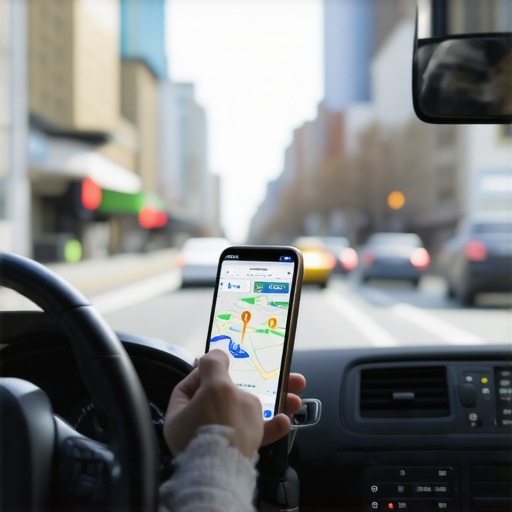
It happened right when I thought I had everything under control. I was rushing to catch a flight, and my driver was en route. Suddenly, I received a call — not from him, but from my own nerves. The driver was lost. Minutes felt like hours, and that moment taught me a crucial lesson about safety and punctuality. That lightbulb moment revealed a deceptively simple secret: one phone call can prevent your driver from getting lost and save your whole day.
Why One Call Can Make All the Difference
As someone who relies heavily on private drivers for business and personal needs, I learned early on that even the most experienced drivers can occasionally lose their way. Traffic, poor navigation, or unfamiliar routes—all can cause delays and stress. That’s when I realized that a quick, clear call could be the most effective tool to keep everything on track. It’s not about micromanaging; it’s about proactive communication that aligns everyone’s expectations and confirms the vehicle’s location.
This little habit has transformed my travel experience. When I make that call at the right moment, I ensure my driver knows exactly where they should be—and how to get there. And the best part? It’s surprisingly simple and doesn’t require complex technology.
If you’ve ever been in a situation where your driver missed a turn or got held up in traffic, you’ll appreciate how a single, well-timed call makes all the difference. Want to learn how to master this superpower? Stick around, because I’ll share the practical steps that have saved me countless times.
Is Relying on a Phone Call Actually Worth the Hype?
Early in my journey, I made the mistake of neglecting this simple step. I trusted GPS alone, assuming it would handle everything. That was a costly oversight. Technology can fail, signals can drop, and even the best apps can lead your driver astray. Relying solely on digital tools isn’t enough anymore. A quick, personal confirmation — a call or message — seals the deal.
Studies show that a significant percentage of late arrivals are due to miscommunications or last-minute route changes. I’ve seen firsthand how a quick phone check-in can prevent this chaos, providing peace of mind for both parties. Plus, it strengthens your relationship with your driver, fostering trust and reliability.
So, have you faced this kind of lost driver situation? If so, you’re not alone. Luckily, there’s a simple, proven tactic that can dramatically reduce these occurrences. Ready to discover it? I’ll walk you through the steps that have helped me ensure punctuality and safety, every single time. And remember, for more on maximizing safety and punctuality with hourly reservations, check out [this comprehensive guide](https://privatedriverpro.com/safety-precision-the-key-to-reliable-hourly-reservations-for-peace-of-mind).
Make the Call When It Matters Most
Right after confirming your reservation, pick up the phone to verify your driver’s details and route. Think of it like checking your gear before a hike; a simple step that prevents unraveling later. I recall a morning when I scheduled a ride to an important client meeting. Instead of relying solely on the app, I called my driver 15 minutes prior. He confirmed the pickup spot, checked traffic conditions, and assured me we’d arrive on time. That quick call prevented a last-minute scramble — a lesson in proactive communication.
Use Real-Time Data to Your Advantage
While apps provide estimated times, they can be off due to traffic, weather, or technical glitches. Think of digital ETA like a car’s speedometer—it offers an approximation, not an absolute. To bridge this gap, establish a routine: shortly before the scheduled pickup, call your driver to confirm their current location. This habit serves as a real-time check, akin to a pilot cross-checking instruments before landing. Incorporating this step consistently minimizes delays and keeps you in control.
Coordinate a Clear Pickup Point
Ambiguous instructions can cause your driver to circle endlessly or pick the wrong driveway. Be explicit: mention landmarks, building numbers, parking spots, or specific entry gates. During a recent airport run, I texted my driver, “Meet at the main terminal’s southern entrance, near Starbucks.” When he arrived, I called to confirm he was at the right spot, saving us both time and frustration. This small act of clarity is like giving precise coordinates on a map—crucial for timely arrivals.
Confirm Destination and Route
Never assume what your driver knows. Verifying your destination before departure is essential. Just as a navigator verifies waypoints, double-check your route. If there are ongoing roadworks or preferred alternative paths, communicate them clearly. For a conference, I once shared a detailed map and parking instructions via message, then called to verify comprehension. This layer of confirmation ensured smooth arrival, especially in unfamiliar areas.
Implement Buffer Time Strategically
Think of buffer time as your safety net for unforeseen delays. Instead of a generic 10-minute cushion, tailor your buffer based on traffic patterns and time of day. During rush hour, I add at least 20 minutes, calling my driver an hour before to confirm they’re en route. This proactive step resembles setting multiple alarms—reducing the risk of being late. For more precise timing and safety measures, refer to this guide.
Keep Communication Lines Open Throughout
An open channel with your driver during the ride keeps everyone aligned. Send updates if there’s a delay, or if your destination changes. A quick message, like “Running 10 mins late, please wait.” can prevent confusion. Remember, clear communication is the backbone of reliable reservations—akin to a well-synched team. During a recent multi-stop day, I kept in touch via calls and texts, which allowed me to adapt on the fly seamlessly.
Leverage Confirmation Checks to Secure Your Ride
Before exiting your location, call to confirm your driver is ready and the vehicle is parked nearby. Think of this as locking the door after leaving—a final safeguard. For added security, verify that the vehicle’s license plate and model match your reservation details. This practice is like a security scan; it ensures that your ride is legitimate, protecting you from potential issues. To enhance your safety, consider reviewing these safety tips.
Document and Review to Improve Your Process
After each ride, evaluate what worked and what didn’t. Did the driver arrive on time? Was the route efficient? Keeping notes helps refine your call timing, communication style, and buffer estimates. Over time, this habitual review transforms your reservations into a finely tuned system—like adjusting your GPS for better accuracy. Incorporate feedback from drivers when possible; they often highlight areas for improvement that you might overlook.
Implementing these steps consistently isn’t about adding complexity; it’s about making contact, confirming details, and staying engaged. Think of it as steering your own ship—small, deliberate adjustments keep your journey smooth and predictable, even amid unpredictable waters. For further insights on maintaining safe and punctual reservations, explore this comprehensive resource.
Many travelers and professionals believe that relying solely on digital reservations and time estimates guarantees punctuality and safety, but the truth is more complex. A common misconception is that technology alone can handle all aspects of precise scheduling, yet studies indicate that this reliance can lead to overlooked nuances, especially when unexpected variables arise. For example, digital estimated times often fail during adverse weather conditions or unexpected traffic, which are precisely when vigilance becomes crucial. This is where the advanced knowledge of proactive communication and verification steps, such as making strategic calls and confirming details, truly shines, preventing costly mistakes. In fact, experts like those at PrivatedriverPro emphasize that trust in real-time data must be complemented with human oversight to ensure reliability. Many overlook the importance of understanding the subtle inconsistencies in digital ETA predictions, risking delays or safety compromises. For instance, during heavy rain or snow, transit schedules often falter, exposing a hidden weakness in standard booking practices.
How Can You Anticipate and Overcome ETA Failures in Complex Environments?
By integrating proactive confirmation routines—like calling your driver for real-time updates or verifying their location directly—you create a buffer against unpredictable disruptions. This nuanced approach goes beyond generic buffer times, which often underestimate actual delays, especially in city traffic. According to research by transport experts, sophisticated strategies that combine technology with human checks significantly reduce late arrivals and safety incidents, making your reservations more dependable. Remember, confidence in automated systems shouldn’t replace the critical human element of verification; rather, these should work together seamlessly. Many assume that a digital ETA is foolproof, but experiences show that proactive engagement—such as verifying a driver’s identity and vehicle details—adds a vital layer of security and punctuality, especially when facing adverse conditions. For comprehensive safety and punctuality strategies, consider exploring detailed insights at this guide. So, the next time you book an hourly reservation, remember: combining technology with proactive human checks is your best defense against unforeseen delays and safety risks. Have you ever fallen into this trap? Let me know in the comments.
Investing in Precision and Reliability Tools
To keep your reservation process seamless and trustworthy, leveraging the right tools is non-negotiable. I personally rely on a combination of advanced GPS systems and dedicated scheduling apps. For instance, I use Garmin dezl series GPS devices because they offer real-time traffic updates, route optimization, and durable hardware that withstands daily use. This equipment ensures I have an accurate view of where my vehicle is at any given moment, which is crucial for on-time arrivals.
Complementing hardware, I swear by reservation management software that integrates directly with my scheduling workflows. These platforms allow me to assign specific reservation windows, set buffers tailored to traffic patterns, and send automatic reminders, reducing the risk of human error. This approach is especially valuable when managing multiple stops or coordinating drivers across different locations.
Another critical aspect is communication tools. I always keep a dedicated, secure messaging app running—preferably one with end-to-end encryption—so that all updates, route changes, or safety checks are fast and confidential. Text messaging, combined with voice calls, keeps the line of sight open, which recent studies suggest is essential for safety and punctuality.
How do I maintain these tools effectively over time?
Regular updates, routine testing, and ongoing training keep these gadgets and platforms working at peak performance. I schedule monthly reviews of GPS firmware, software updates, and emergency protocols. This proactive approach prevents issues like outdated maps—highlighted by experts at this detailed discussion—which can compromise punctuality unexpectedly. Also, cultivating good habits like backing up data and reviewing logs regularly can alert you to recurring glitches before they become critical.
As the technology landscape evolves, so will the tools available for reservation and safety management. The future hints at more integrated, AI-driven platforms that can predict delays before they happen, offering proactive solutions and reducing reliance on reactive adjustments. Staying ahead in this fast-moving environment means constantly experimenting and adopting innovations that fit your specific needs.
Try implementing a dedicated check-in routine using a high-accuracy GPS alongside an automatic reservation reminder system. This combo has personally saved me from multiple late arrivals and safety mishaps. For more strategies on maintaining and scaling your reservation system, explore this guide.
Remember, the key to ongoing reliability is consistent maintenance—not just of your vehicles but of your tools and processes. Keeping these systems in optimal condition ensures your reservation flows smoothly, your drivers remain informed, and your clients experience the punctuality and safety they deserve.
Lessons that Changed My Approach to Reserving on Time and Staying Safe
- One of the most profound realizations I had was that technology, while powerful, can’t replace proactive human communication. Making that quick call to confirm details often prevents delays that even the best apps can’t foresee.
- I’ve learned that establishing routines—like verifying the driver’s location just before pickup—creates a safety buffer that keeps surprises at bay and ensures safety is always a top priority.
- Personal experience taught me that explicit instructions on pickup points and destinations minimize confusion, especially in unfamiliar areas. Clarity is an underrated safety and punctuality tool.
- Investing in real-time data combined with direct confirmations has significantly reduced my missed arrivals, proving that human oversight complements digital tools perfectly.
Tools and Resources I Rely On for Reliable Reservations and Safety
- Garmin dezl GPS series: I trust these for real-time traffic updates and route optimization, ensuring I always have accurate location data during my reservations.
- Reservation management platforms: They help me set accurate buffers, send reminders, and keep everything organized, reducing errors and last-minute surprises.
- Safety and punctuality guides: They offer valuable insights that complement my tech setup, ensuring I stay ahead of potential issues.
Your Next Step Towards Flawless Reservations
Trust me, integrating proactive calls, verifying details, and leveraging reliable tools can transform your reservation experience. It’s about small habits that build big confidence, ensuring safety and punctuality every time. Don’t wait for mishaps—start applying these insights today, and share your own experiences below! Knowing your strategies can inspire others to improve their own reservation routines and achieve peace of mind on every journey.