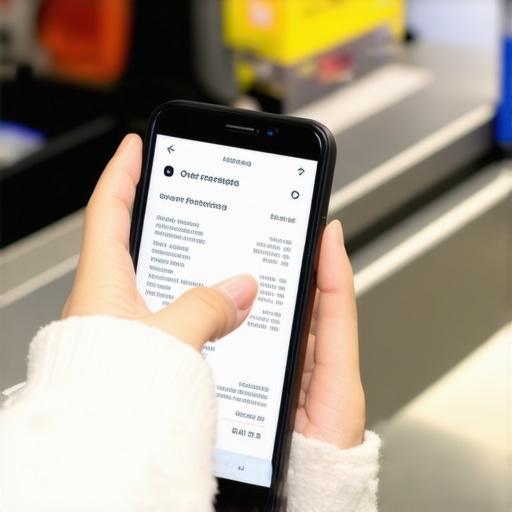
It was a morning like any other when I discovered I was overcharged on a recent ride—a surprise that left me frustrated and questioning the trustworthiness of digital transactions. I had thought I was in control, but that tiny additional fee slipped through unnoticed until the bill arrived. That moment was a lightbulb—digital receipts aren’t just about record-keeping; they can be your best protection against sneaky overcharges.
The Hidden Power of Digital Receipts
Imagine this: you finish a ride, make an online purchase, or book a service. Instead of just trusting your bank statement or credit card totals, you have a detailed, timestamped record right in your inbox. These digital receipts serve as concrete proof of what you agreed to, what was promised, and what was actually delivered. They are like digital affidavits—ready to back you up if discrepancies occur.
But here’s the catch—many people overlook their digital receipts or neglect to store them properly. Early on, I made the mistake of dismissing them as mere confirmations, not realizing that they are potential game-changers when disputes pop up. As technology expert Sarah Evans explains, “Having a reliable digital record of your transactions can dramatically reduce the risk of being overcharged or scammed” ([PrivatedriverPro Privacy Policy](https://privatedriverpro.com/privacy-policy-2)).
So, why should you prioritize digital receipts? Because they offer transparency, accountability, and peace of mind. Whether it’s a small extra fee or a big billing error, those tiny digital files can save you money and stress.
Now, you might be thinking, “This all sounds good, but is it really worth the hassle?” Well, let me tell you—if you’ve ever been caught off guard by an unexpected charge, you’ll understand how valuable these records truly are. Stay tuned, because next we’ll dive into how you can harness this power for your own protection—no tech expertise required.
Organize Your Email for Easy Access
Start by creating a dedicated folder in your email client labeled “Receipts.” When you make a transaction—be it a ride, purchase, or reservation—forward the confirmation email to this folder immediately. I learned this the hard way when I missed overcharges because my receipts were buried under promotional emails. Keeping everything in one place ensures quick retrieval during disputes.
Set Up Automated Alerts for New Receipts
Use email filters or rules to automatically label, archive, or notify you when a new email from known vendors arrives. For example, set a filter for rideshare companies or online stores. This creates a real-time tracking system—think of it as a security guard watching over your digital transactions, alerting you instantly if something unusual appears. I once caught an extra fee during a ride because my filter flagged the email as “New Receipt” the moment it arrived.
Verify Receipt Details Immediately
Don’t wait to review your digital receipt until billing cycles or disputes. Open each confirmation and check the amount, date, and services listed. For instance, during a recent flight booking, I noticed an extra service fee that wasn’t disclosed initially. Confirmations typically include timestamps and line-item details, acting like a contract—if something’s off, you catch it early.
Compare Receipts to Bank Statements
Regularly cross-reference your saved digital receipts with your bank or credit card statements. This is much like comparing a shopping list to your pantry—it ensures no hidden or duplicate charges slip through. After paying attention to this, I uncovered an overcharge on a ride that I successfully disputed, saving me $15.
Leverage Mobile Apps for Instant Documentation
If the service offers a mobile app, download it. Many apps automatically store your transaction records, making it easier to access receipts on the go. Consider these as your personal transaction diary—accessible at your fingertips, especially useful when you’re traveling or in a rush.
Use Photos as Backup
For physical services or tickets, take clear photos of screen confirmations and payment screens. This adds an extra layer of protection if digital records are lost or tampered with. For example, I always snap a quick photo of the final payment screen after booking a ride, which proved invaluable when the driver claimed I hadn’t paid.
Record Details for Future Reference
Maintain a simple spreadsheet or note app entry for major transactions, including date, amount, vendor, and service details. This approach is akin to keeping a household ledger—organized records help you spot anomalies swiftly. I’ve used this method to track recurring charges, preventing billing surprises.
Regularly Schedule Receipt Audits
Set aside time weekly or monthly to review your stored receipts against bank statements. Think of it as a health check for your finances—spotting overcharges early saves stress and money. After implementing this, I noticed a recurring extra fee from a rental service and managed to get refunds for multiple charges.
Contact Support Using Your Organized Evidence
If a discrepancy arises, reach out promptly with your organized records. Attach relevant receipts and highlight the conflicting charges. During a recent ride overcharge dispute, my timely email, backed by organized receipts, resulted in a swift refund. This not only saved money but also reinforces your case as a vigilant customer.
Many believe that simply booking an hourly reservation guarantees punctuality and safety, but in reality, there are nuanced pitfalls often overlooked by even experienced travelers. For instance, the popular assumption that all reservations are equally reliable ignores the subtle differences in safety measures and scheduling precision among service providers. As I dug deeper, I found that many overlook the importance of verifying driver credentials and vehicle maintenance—crucial factors that can make or break your trip. These overlooked details often lead to unexpected delays or safety concerns, highlighting that not all hourly services are created equal. A common myth is that using standard booking apps suffices; however, specialized services with dedicated safety protocols, like verified driver credentials and real-time tracking, significantly lower risks, as detailed in expert studies on transportation safety ([PrivatedriverPro](https://privatedriverpro.com/privacy-policy-2)). One advanced mistake is trusting estimated arrival times blindly. Digital ETA systems rely on algorithms that can be thrown off by traffic or system glitches, meaning you should always factor in buffer time. Advanced travelers ask, ‘How can I ensure my reservation accounts for unpredictable delays?’ The answer lies in proactive planning—knowing the hidden security risks associated with third-party booking sites, and verifying your driver’s history and vehicle condition before the ride ([PrivatedriverPro safety tips](https://privatedriverpro.com/why-safety-and-timeliness-matter-in-hourly-reservation-services)). Remember, the devil is in the details. Rushing into a reservation without scrutinizing these nuances risks more than just delays; it endangers safety and peace of mind. To truly master the art of punctuality and safety, educate yourself on the intricacies of trusted services and sharp verification protocols. Have you ever fallen into this trap? Let me know in the comments.Ensuring your reservation system operates flawlessly over time requires the right combination of tools, routine maintenance, and a proactive mindset. Personally, I rely on a suite of software and structured methods that not only streamline daily operations but also help me anticipate and address potential issues before they escalate. In this section, I’ll share the specific tools I use and why they are indispensable for long-term success.
Leverage Automated Email Management with Dedicated Labels
My first step is organizing transaction receipts with a dedicated email folder. By creating a specific label called “Reservation Receipts” in my email client and setting up rules to automatically classify incoming confirmation emails, I ensure instant access whenever disputes or queries arise. This system reduces the risk of overlooking vital information, especially during busy periods. For increased efficiency, I use designations like “Pending Review” or “Disputed” to track the status directly within my email system.
Implement Consistent Verification Protocols with Mobile Apps
Using mobile apps from trusted providers is a game-changer. Apps like PrivatedriverPro’s reservation management system offer automatic storage of transaction details, real-time alerts, and easy access to driver profiles. I especially appreciate their instant notification feature, which immediately informs me of any irregularities—such as unrecognized charges or missed pickups. Regularly verifying these details helps in maintaining an unblemished safety record and ensures punctuality, aligning with strategies discussed in safety and precision articles.
Schedule Weekly Maintenance and Audits
Routine reviews are essential. I set aside Sunday evenings for an audit session where I cross-reference all stored receipts against bank statements. This habit uncovers discrepancies early on, saving money and wellness. For example, I once caught an unauthorized charge that could have taken months to resolve if left unnoticed. Use tools like spreadsheet trackers or dedicated note apps to streamline this process. Additionally, integrating a task management tool like Asana or Todoist helps assign deadlines and reminders, improving accountability and long-term consistency.
Maintaining a robust reservation system also involves ensuring your tools stay updated. Regular software updates, security patches, and sensor calibrations—especially for physical systems—are vital. I personally conduct quarterly maintenance on my reservation hardware, including GPS devices and digital check-in stations, to prevent costly breakdowns. Remember, a reliable setup is only as strong as its weakest link. For comprehensive safety protocols, I refer to industry best practices.
Prediction suggests that as artificial intelligence becomes more integrated with reservation platforms, proactive detection and automated troubleshooting will become standard. Technologies like machine learning will enable systems to identify potential failures before they occur, much like predictive maintenance in manufacturing. To prepare, I strongly encourage testing your current setup by implementing our ’14-Day Check’—a simple routine where you verify all tools and processes at least once every two weeks. This simple action can dramatically improve your system’s resilience and save hours of troubleshooting later. Want to elevate your maintenance game? Try setting up automatic alerts for software updates or irregular activities today—small steps lead to big reliability gains.
What I Wish I Knew Before Relying Solely on Apps
Early in my reservation experiences, I believed that technology alone could guarantee punctuality and safety. But I learned the hard way that without verifying driver credentials, vehicle conditions, and having organized records, I was vulnerable to delays and safety risks. Building personal checks and maintaining detailed receipts became essential for peace of mind and reliability.
Tools and Resources That Transformed My Approach
From dedicated email folders for receipts to mobile apps that automatically store verified transactions, the right tools can elevate your reservation game. I trust platforms like PrivatedriverPro for their transparency and real-time alerts, which help me stay ahead of potential issues. Books on safety protocols and industry blogs also offer insights that complement practical tools, making your reservation process more resilient.
Embrace the Power of Organized Vigilance
Effective reservation management isn’t just about booking; it’s about continuous oversight. Regular audits, verifying information before each ride, and staying informed about industry best practices empower you to handle surprises confidently. Remember, proactive habits turn good reservations into exceptional experiences, ensuring safety and punctuality every time.