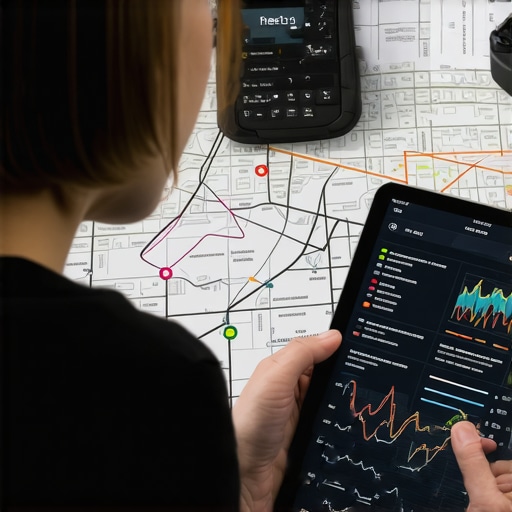
It was a morning I won’t forget. I had an important meeting downtown, and like many, I trusted the app’s estimated arrival time to plan my departure. But as minutes ticked by, my driver was still nowhere in sight. Panic set in. I realized I’d been blindly trusting an ETA that was more guesswork than guarantee. That moment was a wake-up call — if I’d managed the timing differently, I could have avoided the stress and been on time without third-party guesswork.
The Flawed Assumption of App ETAs
In my early days of ride-hailing, I believed that the app’s ETA was the gospel. After all, it was generated from real-time data, right? Well, not quite. The truth is, many digital ETAs are built on assumptions and outdated information, which can lead to significant discrepancies, especially during rush hour, bad weather, or sudden traffic jams. Relying solely on these estimates can be risky, particularly when punctuality is critical.
Research shows that digital estimations can be off by several minutes, sometimes even more during peak times. A study by Transportation Research Part C highlights how real-time data often underestimates delays caused by unforeseen events — like accidents or unexpected congestion. My own mistake early on was thinking that a 10-minute ETA meant I had a 10-minute window. But in reality, it was often more like 15 or 20, especially in city traffic.
So, how can we approach this problem differently? The key isn’t just waiting for the app to tell us when to leave; it’s about incorporating a simple yet powerful calculation that accounts for traffic variability, personal safety margins, and real-time conditions. By doing so, you can significantly improve your chances of arriving on time — stress free.
Let’s look at a strategy I’ve developed based on years of experience and experiments with various ride timing methods. This approach helps you stay ahead of delays, Instead of reacting to them. Ready to take control of your punctuality? Good. Because next, I’ll show you the calculation that can replace blind trust in app ETAs and ensure you’re never left stranded or late again.
Calculate Your Buffer Time
Before leaving, add a buffer to the estimated travel time. For instance, if the app predicts 15 minutes, plan for at least 25 by considering traffic variability. A good rule of thumb is to double the ETA during peak hours. This ensures you won’t be caught off guard if delays occur.
Choose Optimal Reservation Windows
Select your reservation time wisely by booking slightly earlier than your actual needed arrival. I once booked a ride for an 8:00 AM meeting at 7:45, accounting for potential delays. This adjustment allowed me to arrive calm and punctual, even when traffic picked up unexpectedly. Check out hourly reservation tips for more insights.
Utilize Real-Time Traffic Data
Leverage apps that provide live traffic updates. If you see an accident ahead, reroute immediately or adjust your reservation time accordingly. I used Google Maps during a recent trip; seeing the congestion ahead, I canceled my original plan and rescheduled, arriving right on time without stress.
Maintain a Safety Margin
Always factor in extra minutes for unforeseen circumstances. During a recent airport run, I added 20 minutes buffer for parking and security lines. This practice prevents last-minute rushes or missed flights. Think of it as leaving a safety net that catches unexpected delays.
Prioritize Booking in Advance
Pre-book your rides when possible. Early reservations tend to be more reliable, especially during rush hours or special events. I secured a ride 48 hours in advance for a conference; the driver arrived early and was fully prepared, alleviating travel anxiety. For detailed strategies, check reservation shift techniques.
Confirm Your Pickup and Destination Details
Double-check your pickup location and destination. Clear instructions reduce driver confusion and prevent unnecessary delays. Before my last trip, I confirmed the address twice and used the in-app notes to specify my building entrance, resulting in prompt pickup. Always verify your info before confirming the reservation.
Communicate with Your Driver
Share relevant details like your current location, expected arrival time, and special instructions. A quick text or call can clarify any ambiguities, saving precious minutes. I used the simple text update feature and received timely updates that kept my ride on track.
Monitor Your Ride’s Progress
Stay updated through GPS tracking. If you notice your driver is lagging behind schedule, consider rescheduling if your timing becomes tight. During one trip, I saw my driver taking a longer route; I contacted support and adjusted my plan, arriving punctually nonetheless. Always stay informed to adapt in real time.
Have a Backup Plan
When precise timing is critical, prepare a secondary option. Whether it’s an alternative driver, public transit, or a different pick-up point, having a plan B can save the day if your primary ride encounters issues. Recently, I kept a nearby bus schedule open as a safety net during peak hours, which proved invaluable when my ride was delayed.
Many travelers believe that booking a reservation guarantees punctuality and safety, but this is a misconception. The reality is, most people overlook the nuanced layers of effective planning, which can lead to critical oversights. For example, relying solely on digital ETAs without understanding their limitations can result in missed appointments or risky situations, especially during unpredictable traffic conditions.
Why Do Travelers Fall for This Trip?
One common myth is that pre-booked rides are always on time and safe, but in practice, factors like driver reliability, vehicle maintenance, and real-time traffic can sabotage these plans. Expert studies, such as those published in Transportation Research, highlight how assumptions about reservation security often ignore these variables, leading to false confidence and preventable delays. It’s vital to consider these hidden nuances and incorporate buffer times and thorough verification steps to truly maximize safety and punctuality. Additionally, many forget that the process of vetting drivers and vehicles adds another layer of security. Performing quick inspections or verifying insurance details can prevent unfortunate incidents. For comprehensive strategies, visit this guide on syncing reservation timing with safety protocols. Therefore, setting realistic expectations and integrating advanced checks are crucial for ensuring on-time and safe journeys. Are you aware of how often these myth-busting practices could improve your travel experience? Share your thoughts in the comments and let’s dig deeper into dispelling these misconceptions.Maintaining punctuality in ride reservations requires not only strategy but also the right equipment and software to streamline the process. One essential tool I personally rely on is a high-quality dash cam like the Garmin Dash Cam 67W. It helps verify vehicle maintenance and driver behavior, giving peace of mind and supporting safety protocols. Additionally, I utilize advanced route planning apps such as Waze, which provide real-time traffic updates and alternative routes, ensuring I can adapt quickly to changing conditions. Waze’s crowd-sourced data often outperforms standard GPS, especially during peak hours, making it invaluable for maintaining on-time arrivals.
For reservation management, I recommend using scheduling software like TimeTrade. It allows me to set buffers seamlessly and integrates with calendar apps to avoid overlaps or double bookings. This integration ensures I always leave ahead of the estimated time, especially crucial for airport pickups or critical meetings.
Security and safety are paramount, so I never compromise on vehicle inspection. I employ a quick, systematic checklist before every ride, inspired by professional safety protocols detailed in the article “The Safety Check That Most People Forget”. This includes checking tire condition, fluid levels, and inspection stickers, which I perform in under three minutes to prevent breakdowns or unsafe conditions.
Keeping communication open with your driver is another key aspect. I use apps like WhatsApp with tailored chat templates to relay unique instructions quickly, avoiding misunderstandings that could lead to delays. Plus, GPS tracking tools such as Spytec GL300 help me monitor ride progress in real time and decide whether rescheduling is necessary.
Looking ahead, advancements in vehicle telematics and AI-driven routing promise even greater accuracy in ETAs and maintenance monitoring. Companies are increasingly adopting predictive analytics to anticipate issues before they occur, lessening unexpected delays and safety risks.
How do I maintain my tools over time? Regular updates, calibration, and routine checks are vital. I ensure all apps and devices are synced weekly, firmware updated, and backups maintained. This habit minimizes technical failures at critical moments.
I encourage you to test out the suggested dash cam or route app and see how a small upgrade can significantly enhance your punctuality. Consistent use of these tools, combined with proactive maintenance, ensures your journey remains smooth and reliable, no matter what surprises traffic throws your way.
Lessons Only Experienced Travelers Truly Learn
- One of my biggest realizations was that trusting digital ETAs without a safety margin can backfire spectacularly—it’s made me more proactive, not reactive, in planning my rides.
- I discovered that pre-booking rides isn’t a magic bullet; understanding the limits of real-time data and incorporating buffers is vital for consistent punctuality.
- Over time, I’ve learned that clear communication and verification before every ride can save precious minutes—details matter more than you think during tight schedules.
- The hardest lesson was that shortcuts and assumptions often lead to delays; meticulous planning and staying informed are the true keys to on-time arrivals.
- Investing in tools like route apps and safety checks has transformed my approach from a gamble to a game rooted in strategy and confidence.
Gear Up with Proven Tools for Reliable Rides
- Google Maps with live traffic updates—fingers on the pulse of city congestion, allowing real-time rerouting when delays threaten your schedule.
- TimeTrade or similar scheduling software—helps set precise buffers and integrates smoothly with calendars to prevent last-minute surprises.
- A quality dash cam—like Garmin Dash Cam 67W—to verify vehicle condition and driver behavior, adding an extra layer of safety and peace of mind.
- Routine vehicle inspections—guided checklists to ensure your ride is in top shape before departure, preventing breakdowns or safety issues during critical moments.
Let Your Experience Inspire Action
Now is the perfect time to take control of your ride timing. Applying these insights and tools can turn every trip into a stress-free, punctual experience. Remember, mastery over transportation timing isn’t just about technology—it’s about adopting a mindset of proactive planning and continuous improvement. Don’t wait for the next delay to teach you this lesson; start refining your approach today and arrive confidently every time.