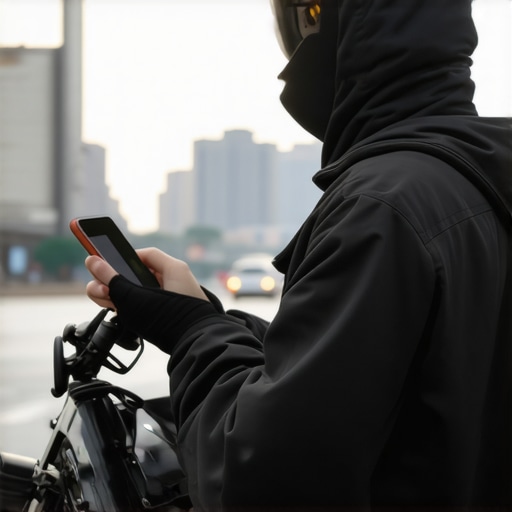
It was a typical morning, and I was rushing to catch my ride. As I handed over my details, something made me pause—I realized I was sharing far more than necessary. That small hesitation turned into a lightbulb moment: how much personal information do I really need to give during a ride, and am I exposing myself to unnecessary risks? Since that day, I’ve made it a personal mission to protect my privacy without sacrificing safety or punctuality. Today, I want to share proven strategies that will help you stay secure while on the move.
Why Protecting Your Personal Information Matters More Than Ever
Limit the Personal Details You Share
During ride-booking, only provide essential information—name and destination—while skipping unnecessary personal data like home address or workplace if not required. This reduces exposure to misuse or tracking. I remember booking a ride last month; I initially shared my full profile, but after realizing the risk, I limited details, which kept my information secure and the driver focused solely on the ride.
Use Secure Reservation Channels
Always make reservations through official, encrypted apps or websites. Verify the URL before entering any data—look for “https” prefixes and security certificates. Think of this like locking your front door; it’s a simple step that prevents unauthorized access. Once, I confirmed a reservation via the company’s official site instead of a third-party, avoiding potential scams and ensuring my booking was legitimate.
Verify the Driver’s Identity Before Boarding
Check the driver’s ID badge, vehicle registration, and licensing details matching the reservation info. A quick glance can prevent dangerous surprises. I once noticed my driver’s name was different from the booking details; I trusted my instincts, canceled, and rebooked through a verified service, safeguarding my safety.
Limit Real-Time Sharing and Location Tracking
Disable location sharing when unnecessary; share your trip details selectively with trusted contacts. Think of this as informing only a few friends rather than broadcasting your entire route. I use a messaging app to notify my partner of my ETA without revealing my live location, maintaining privacy while ensuring someone is aware of my safe arrival.
Maintain Consistent Communication
Confirm your pickup with the driver via official contact methods. Avoid relying solely on app notifications; a quick call or verified message confirms your ride and prevents miscommunication. On a recent trip, I texted my driver to confirm the car’s color and license plate, which matched perfectly, preventing boarding the wrong vehicle.
Be Mindful with Payment Methods
Opt for cashless or app-based payments within secure platforms. Never share card details outside secure channels. This minimizes financial fraud risk. I once used in-person cash payments but switched to digital payments after realizing that encrypted transactions offer better protection against fraud and disputes.
Stay Aware During the Ride
Observe your surroundings and confirm the vehicle’s condition—working seat belts, visible registration stickers, clean interior. Spotting issues early can avert emergencies. I recall noticing a vehicle with a damaged rearview mirror—immediately informing the company led to quick assistance, exemplifying proactive safety measures.
Review Safety Policies Regularly
Familiarize yourself with privacy and safety policies of your preferred service, accessible via their official site, such as Privacy Policy. Understanding these policies ensures you’re aware of your rights and safety protocols, helping you respond swiftly if needed.
When it comes to hourly transportation and reservation timing, many assume that the key to reliability is simply booking well in advance or trusting the app estimations. However, these common beliefs often overlook crucial nuances that can significantly impact your safety and punctuality. Let’s explore some hidden pitfalls and misconceptions that even seasoned travelers sometimes fall for, and how understanding these can elevate your experience.
A frequent myth is that sticking strictly to scheduled reservation times guarantees on-time arrivals. While scheduling is vital, the real nuance lies in understanding and managing the buffer intervals and real-time factors that influence punctuality. For example, many people underestimate how unpredictable city traffic, driver traffic conditions, or last-minute adjustments can be. Relying solely on subjective estimates or standard buffer times often leads to missed pickups or late arrivals. Instead, mastering precise reservation timing—like utilizing strategies detailed in [this guide](https://privatedriverpro.com/ensuring-safety-and-punctuality-top-tips-for-on-time-reservations-at-any-hour)—can make all the difference.
Common mistakes also occur around reservation safety. Many take for granted that booking through official channels is enough, but neglect how verifying driver credentials, vehicle conditions, and real-time updates can mitigate risks. A frequent error is trusting app ETA without considering the driver’s adherence to safety protocols or the vehicle’s maintenance status, which can lead to uncomfortable or unsafe rides. The subtlety here is understanding that safety is a multi-layered process, not just a checkbox on booking. External studies, like the one by the National Institute of Standards and Technology, highlight that continuous safety verification and driver accountability reduce accident rates significantly.
Another oversight involves the assumption that punctuality and reservation accuracy are purely about technology. In reality, human factors play a crucial role—driver professionalism, route selection, and real-time decision-making often determine whether you arrive on time. Advanced travelers know that proactive communication, such as confirming pickup details or adjusting reservations based on traffic reports, is essential. This proactive approach is emphasized in [our safety-first reservation tips](https://privatedriverpro.com/stay-secure-and-punctual-the-essential-hourly-reservation-tips-for-timely-service).
A particularly tricky aspect is the overlooked impact of last-minute changes—cancellations, traffic, or driver delays—that can throw even the best plans off course. The mistake many make is believing that once the reservation is set, it’s set in stone. Instead, having a backup plan, understanding how to leverage real-time updates, and choosing services with flexible policies can significantly improve reliability.
In conclusion, debunking these myths reveals that effective scheduling, reservation safety, and punctuality involve more than just tools; they require nuanced understanding and proactive management. For those curious to **master the art of punctual reservations and safety**, diving into resources like [this comprehensive guide](https://privatedriverpro.com/on-time-arrival-mastering-the-art-of-reservation-and-safety-every-hour) can transform how you plan your journeys. Remember, advancements in safety and timing aren’t just about technology—they’re about informed, deliberate choices.
Have you ever fallen into this trap? Let me know in the comments.
Keep Your System Running Smoothly with the Right Equipment and Software
Maintaining a dependable hourly reservation system demands more than just good intentions; it requires precise tools and disciplined routines. Personally, I rely on a combination of GPS tracking devices like the Garmin DriveSmart series, which provides real-time vehicle data and route optimization, and a scheduling platform such as Arrivia, which integrates seamlessly with existing calendars and alert systems. These tools allow me to monitor each vehicle’s status continuously, quickly identify delays, and adjust reservations proactively, minimizing late pickups and cancellations.
How do I maintain my reservation tools over time?
Consistency is key. I schedule weekly firmware updates and system audits to ensure all devices operate at peak performance. For software, I subscribe to a service that provides automatic updates and 24/7 technical support, preventing bugs or vulnerabilities from affecting my operations. Regularly testing these systems—like simulating booking scenarios—helps me catch potential issues early, ensuring long-term reliability. To enhance safety, I also implement backup backups: redundant GPS units and secondary scheduling apps to avoid single points of failure. These practices are critical as technological trends evolve, especially with the rise of AI-powered route planning and predictive maintenance, which I predict will become standard within the next five years.
Make Yourself Visible: The Power of External Verification
Beyond internal tools, external validation adds an extra layer of confidence. For example, cross-referencing vehicle VINs against official databases ensures authenticity and safety compliance. Resources like the National Highway Traffic Safety Administration provide comprehensive vehicle histories that I consult periodically. Incorporating such external checks into my routine has been instrumental in maintaining service integrity and passenger trust.
Trying out advanced scheduling algorithms or backup systems might sound complex, but the payoff is immense: fewer missed reservations, higher safety standards, and improved reputation. I recommend experimenting with integrated dashboards that combine vehicle health, GPS data, and reservation status into one interface; it’s a game-changer for managing multiple vehicles efficiently. As technology keeps evolving, keeping your toolkit updated will be vital to staying ahead of potential disruptions and ensuring your operations remain flawless.
,
What I Wish I Knew When First Managing Hourly Bookings
- One of the most eye-opening lessons I learned was understanding that technology alone doesn’t guarantee punctuality. Proactive verification and human oversight are just as vital as the tools we rely on.
- I discovered that trusting standard protocols without personal diligence can lead to overlooked safety hazards. Regularly auditing driver credentials and vehicle conditions became a game-changer for me.
- Early reservations are helpful, but the real secret lies in managing real-time adjustments—being flexible and prepared for last-minute changes ensures reliability and safety.
- Over time, I realized that cultivating relationships with verified drivers and having backup plans dramatically reduced stress and improved service consistency.
Tools and Strategies That Transformed My Approach
My essential toolkit includes GPS tracking devices like the Garmin DriveSmart series, which provide real-time insights into vehicle location and route progress, and scheduling platforms such as Arrivia, which seamlessly integrate with my calendar for proactive planning. These tools, combined with rigorous weekly updates and audits, help me maintain service excellence and safety. For deeper insights, I recommend exploring resources on booking safety measures and punctuality, like this comprehensive guide. External validation, such as cross-referencing vehicle VINs through the National Highway Traffic Safety Administration, adds vital assurance that my rides are secure. Embracing continuous technological improvements, like AI-driven route optimization, will only increase reliability and confidence in your reservations as trends evolve.
Seize the Moment and Elevate Your Travel Game
Embarking on your journey to safer, more reliable hourly reservations is a process grounded in informed choices and proactive management. Don’t let misconceptions or complacency hold you back—equip yourself with the right knowledge, tools, and habits to become a truly confident traveler. Remember, mastery over reservation timing and safety isn’t just a goal; it’s a lasting journey that enhances every aspect of your professional and personal life. Now is the perfect time to start implementing these strategies, and I encourage you to keep learning and adapting as technology and best practices advance. Your next safe, punctual ride is just around the corner—are you ready to take charge?