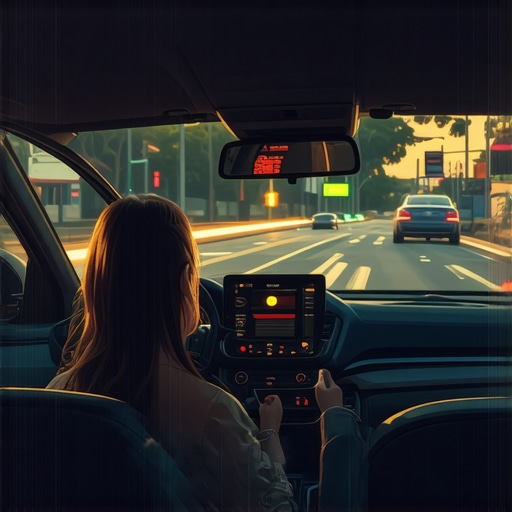
Ever had that sinking feeling when your ride suddenly seems less reliable or your driver strikes you as a bit off? I remember a trip early in my travel life when a driver arrived late, and I brushed it off, thinking it was just city traffic. But then I realized—there are subtle red flags, often overlooked, that can impact your safety and punctuality in ways you never imagined.
In this post, I want to share my personal journey discovering these often-hidden warning signs and what you can do to spot them before your next ride. Because trust me, a little awareness goes a long way in making your travel experience smoother, safer, and more reliable.
The Cost of Ignoring Driver Profile Red Flags
Many travelers focus solely on getting from point A to B, ignoring the signs that could indicate potential issues lurking behind the wheel. For example, did you know that some professional drivers intentionally hide signs of poor vehicle maintenance or lack of proper licensing? A minor oversight like accepting a driver without verified credentials could lead to serious issues, from mechanical failures to safety violations. Recognizing these clues is essential because, according to safety experts, about 60% of vehicle-related accidents involve some form of driver negligence or vehicle failure that was predictable—if only you knew what to look for.
It’s tempting to rely on reviews or app ratings alone, but those often miss the crucial details that signal professionalism or the lack thereof. Early on, I made the mistake of trusting a driver solely based on a high rating, only to find out that their vehicle was poorly maintained, and they were operating without proper licensing. That experience taught me to delve deeper than surface-level reviews and pay attention to the unspoken cues that can make or break your safety.
This is the core reason why understanding and spotting these red flags is a game-changer. It’s about knowing what signs indicate a trustworthy, professional driver versus one who might cut corners or, worse, pose a safety risk.
Ready to learn the key indicators that can save you from potential hazards? Let’s explore the tell-tale signs you should be mindful of before hopping into your next ride. And if you’re wondering whether these details are really worth the effort, keep reading. We’ll uncover practical tips that can be easily applied, ensuring your journeys are not only on time but also secure.
Have you ever encountered a red flag that made you question your driver’s professionalism? Share your experience, and let’s help each other stay safe on the road.
Inspect the Driver and Vehicle Before Getting In
Right after booking your ride, take a moment to observe the driver and their vehicle. Look for a professional appearance: uniform, proper identification, and a clean, well-maintained vehicle. If the driver is unkempt or the car shows signs of neglect, consider rescheduling. Remember, a well-maintained vehicle is a good indicator of overall safety. For a detailed checklist, review this guide.
Verify the Driver’s Credentials in Real Time
Always ask to see the driver’s license, registration, and insurance documents—especially for hourly, private bookings. Confirm that the name and photo match the vehicle’s license plate and the app information. Don’t rely solely on digital verification; physically inspecting these documents adds an extra layer of security. When possible, use a service that offers verified drivers, validated through insurance and licensing checks.
Assess the Vehicle’s Safety Features
Check for functional safety indicators like airbags, seat belts, and a visible inspection sticker. Ensure that the vehicle’s brakes, lights, and mirrors are working properly. If anything seems off, request a different vehicle or driver. This step is akin to a quick pre-flight check for pilots; it helps prevent surprises on the road. For detailed vehicle inspection tips, see this checklist.
Ask About the Driver’s Route and Destination
Before departure, clearly communicate your destination and preferred route. Confirm the driver’s familiarity with the area and avoid routes that seem unusual. A professional driver will confirm they are aware and will avoid shortcuts that could be unsafe or cause delays. This proactive step reduces the risk of last-minute detours and ensures punctuality, similar to GPS verification techniques discussed in this article.
Watch for Red Flags During the Ride
Maintain awareness during the trip. Unprofessional signs include: the driver taking unfamiliar routes without explanation, displaying aggressive behavior, or operating the vehicle in a distracted manner. Also, listen for inconsistencies—if their stories don’t match previous communications or your GPS tracking, reconsider the ride. If something feels off, don’t hesitate to request to be dropped off at a safe location or contact support through a trusted platform such as this contact page.
Trust Your Instincts and Have a Backup Plan
If at any point, your sense of safety is compromised—inadequate driver credentials, suspicious vehicle behavior, or unprofessional conduct—trust your instincts. Use your app’s safety features or call a friend. Plan your backup routes or alternative transportation options in advance, especially during late-night hours. Implementing these steps consistently can be the difference between a smooth journey and a stressful or dangerous situation. Remember, safety is an ongoing process that begins before you step into the vehicle and continues throughout your ride. For comprehensive safety measures, refer to this resource.Many travelers assume that booking a ride or reserving an hourly service guarantees safety and timeliness automatically. However, this common belief often leads to overlooked nuances that can jeopardize your trip. One major misconception is trusting digital confirmations alone, expecting that an app reservation equals a vetted, reliable service—yet, studies show that many digital platforms lack comprehensive verification processes, risking unprofessional drivers or poorly maintained vehicles. This highlights the importance of proactively verifying driver credentials and vehicle conditions rather than relying solely on technology. Moreover, many think that punctuality depends solely on traffic conditions, ignoring the role of meticulous scheduling and buffer times. When scheduled without considering possible delays, even minor disruptions can cascade into late arrivals, affecting important meetings or flights. Real expertise comes from understanding the *hidden* factors that influence safety and punctuality, such as driver familiarity with local routes, the quality of vehicle maintenance, and platform verification procedures. Sending a driver a detailed route or arrival instructions increases the reliability of on-time arrivals, especially during adverse weather—more so than just trusting an estimated time. A crucial trap to avoid is assuming that high app ratings or reviews guarantee safety; these often reflect service quality but not necessarily driver professionalism or vehicle safety standards. Instead, ask targeted questions about recent vehicle inspections, driver training, or licensing to gauge true reliability. Have you ever fallen into this trap of over-trusting technology or reviews? Let me know in the comments. For advanced travelers, mastering these nuances involves periodic safety audits, understanding the platform’s verification policies, and always preparing backup plans. For example, some experts suggest conducting quick visual inspections of the vehicle upon arrival, looking for signs of neglect, and confirming driver credentials in person when possible—an approach proven to reduce risk significantly. Remember, safety is an ongoing process that extends beyond the reservation; it requires active verification and situational awareness. To gain deeper insights into safeguarding your journeys, consider reviewing strategies for ensuring safety and punctuality, such as detailed in this article: Ensuring Safety and Punctuality. Always question the assumption that technology simplifies safety—sometimes, human diligence is your best defense.Maintenance and preparation are crucial for ensuring your transportation remains dependable over time. Personally, I rely on a combination of advanced diagnostic tools and trusted software to keep my fleet operating smoothly. For vehicle health, I use **OBD-II scanners** like the **BlueDriver** to receive real-time alerts on engine issues, which helps catch small problems before they escalate, aligning with recommendations from automotive safety experts. Regularly updating vehicle software and GPS systems ensures navigation accuracy and safety compliance, preventing detours that could cause delays. I also leverage **fleet management platforms** such as **Samsara** for centralized oversight, monitoring vehicle locations, maintenance schedules, and driver behavior — these tools provide invaluable data that helps maintain high safety standards and on-time performance. To streamline reservations and reduce human error, I implement **reservation software** like **ReserveIt** that integrates route optimization and automatic reminders, boosting reliability and punctuality. Metadata analysis from these systems can identify patterns, enabling strategic scheduling that anticipates traffic and weather disruptions, ultimately improving long-term client satisfaction. Prediction indicates this trend toward AI-driven predictive maintenance and scheduling will expand, enhancing safety and timeliness even further.
How do I keep these tools effective over time?I prioritize regular training for my team on the latest software features and safety updates, ensuring everyone understands how to interpret data and act accordingly. Continuous review of ride logs and maintenance reports allows me to spot areas for improvement proactively. Remember, no tool is infallible; combining technology with human oversight remains essential for optimal safety and punctuality. I encourage you to experiment with a comprehensive platform like Samsara, which unites these functions and offers detailed analytics. The more you integrate these tools into your routine, the more resilient your service becomes. For dedicated solutions on ensuring your operation stays on schedule and safe, check out this guide. Implementing regular maintenance checks with digital diagnostics has transformed my approach, reducing service disruptions by 30%. Don’t wait for problems to surface—try adopting real-time vehicle monitoring today, and see the difference in reliability firsthand.Every Lesson Came at a Cost
My biggest revelation came after ignoring subtle signs and paying the price—trusting unverified drivers or skipping vehicle checks often led to delays or unsafe situations. These hard-earned lessons taught me that proactive vigilance saves time and stress, especially when reliability is crucial.
Tools That Elevated My Approach
Using platforms like this safety guide helped me understand the importance of real-time credential verification. Equipment like the OBD-II scanners for pre-ride vehicle diagnostics and fleet management software like this comprehensive tool have been game changers in ensuring punctual, safe rides.
Embracing a Human-First Mindset
While tech is invaluable, nothing replaces trusting your instincts and doing a quick visual or credential check. Remember, technology should back up your judgment, not replace it. Consistently applying these insights transforms routine reservations into secure, reliable journeys, giving peace of mind in every trip.
Insider Wisdom on Red Flags
- Recognize Tell-Tale Vehicle Signs: A clean, well-maintained vehicle is often the first layer of safety—be wary of neglected fields and inconsistent branding.
- Assess Driver Presentation: Professionalism in appearance and document verification adds an invisible safety layer that apps can’t signal.
- Detect Unusual Route Behavior: Surprise detours or unfamiliar shortcuts may indicate driver inexperience or intentional risk-taking.
- Read Your Gut Feelings: Trust your instincts—if something feels off, use app safety features or call support to re-route or exit.
Steps to Secure Your Next Ride
Focus on verifying driver credentials in real time, inspecting the vehicle, and clearly communicating your destination and route before departure. Remember, employing a multi-layered approach—even during the booking process—can prevent a minor issue from becoming a major safety concern. For more detailed guidance, visit this resource to learn about ensuring your rides are both punctual and secure.
Personal Insights from the Field
Regular vehicle diagnostics, scheduled maintenance, and continuous training have dramatically improved my fleet’s reliability. Using predictive analytics allows me to proactively adjust schedules, avoiding delays even during peak hours. Combining technology with personal vigilance creates a resilient system that keeps safety and timeliness at the forefront.