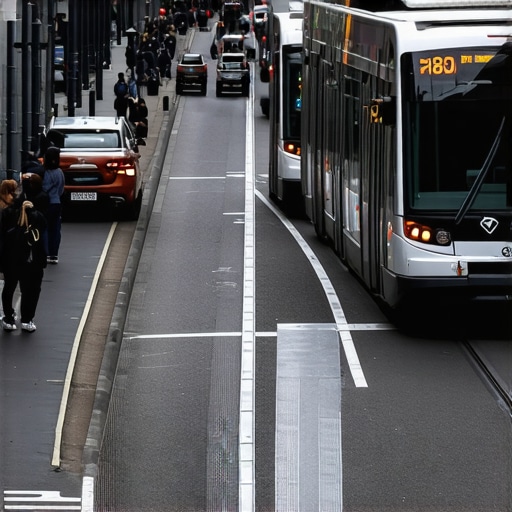
Ever found yourself running against the clock, desperately hoping that just 15 more minutes would fix your city travel woes? I used to think that a quick 15-minute buffer was enough—until that stressful morning when my ride was late, and I missed an important meeting by seconds. It was a lightbulb moment: in urban environments, 15 minutes often vanish faster than we expect, especially during rush hours, unpredictable traffic, or unforeseen delays.
Unlocking the Truth Behind City Travel Delays
Chances are, you’ve experienced this too. You plan meticulously, carve out that precious time buffer, and then—bloop—your ride stalls in traffic, the driver takes a wrong turn, or an obstacle appears out of nowhere. The reality is, city travel is a complex dance of variables, and relying on a mere 15-minute cushion is like trying to outrun a storm with a paper umbrella.
Is the Buffer Rule Overhyped, or Is It Actually Worth the Hype?
I remember early on, I made a critical mistake: trusting the app’s estimated arrival time without considering real-world delays. That false sense of security led me to be late more times than I care to admit. The truth is, while apps and technology are helpful, they can’t account for every variable, especially in densely populated areas. That’s why understanding the Buffer Rule—the strategy of adding a comprehensive safety margin—is essential for punctuality and peace of mind.
If you’re tired of last-minute scrambles, missed appointments, or feeling stressed over city travel, you’re in the right place. Today, I’ll guide you through practical, proven techniques to extend your buffer effectively, ensuring you arrive on time, safe, and relaxed. Curious how to turn the chaos of city transit into your comfort zone? Let’s dive into the secrets that will transform your travel game.
Map Out Your Timing with Precision
Start by analyzing your typical travel route and identify possible delays. Use apps like [a reliable reservation service](https://privatedriverpro.com/reservation-security-measures-how-to-book-safely-and-arrive-on-time) to check real-time traffic patterns, but don’t rely solely on their estimates. Memo to self: think of your trip like a marathon. Instead of running until you can’t, plan your pace with water breaks and rest stops—this is your buffer. For example, I once had a crucial meeting at 9 am. I scheduled my pickup for 7:45 am, added an extra 15 minutes buffer, making it 8 am. I also checked traffic conditions an hour before and adjusted my pickup accordingly. The result? I arrived with time to spare and avoided morning chaos, proof that strategic planning works.
Calculate an Intelligent Buffer Time
Use the buffer formula: consider the average delay in your city, add a safety margin, and adjust for weather or known roadwork. A typical city delay might be 10-15 minutes during rush hour, so adding a minimum of 20-30 minutes ensures peace of mind. Think of it as insurance—you’re protecting yourself against the unpredictable. I remember booking a ride during a rainy Friday evening. I knew traffic would slow down, so I proactively added an additional 20-minute buffer to my reservation. This strategic move allowed me to relax instead of stress during the delay. For more detailed strategies, visit [this guide](https://privatedriverpro.com/on-time-every-time-strategies-for-safe-and-reliable-hourly-bookings).
Secure Your Reservation for Reliability
Next, always verify your booking and confirm the driver’s identity beforehand. Use a trusted platform that offers safeguards like [reservation security measures](https://privatedriverpro.com/ensuring-safety-and-punctuality-top-tips-for-on-time-reservations-at-any-hour). Double-check your pickup location, especially in complex places like airports. For example, during a last-minute airport run, I made sure to reserve my ride well in advance, confirmed the exact terminal, and requested the driver to arrive 15 minutes early as noted in [special airport buffer tips](https://privatedriverpro.com/the-buffer-hack-for-navigating-complex-airport-terminals). This proactive approach minimized surprises and ensured timely pick-up, even during peak hours.
Use Real-Time Data for Last-Minute Adjustments
Stay connected to your reservation with real-time tracking, but don’t depend solely on it. Keep an eye on live traffic updates, weather alerts, and road conditions. If a delay surfaces, modify your reservation promptly—most platforms allow flexible rescheduling if done early. Think of yourself as a ship captain steering through unpredictable waters; staying alert and adjusting your course keeps you on schedule. During a recent trip, heavy snow threatened to delay my ride, but by monitoring traffic updates and communicating with the driver, I pushed the pickup time back by 10 minutes. The journey remained smooth, illustrating the power of staying informed. For additional safety and punctuality tactics, check out [this resource](https://privatedriverpro.com/stay-secure-and-punctual-the-essential-hourly-reservation-tips-for-timely-service).
Build Redundancy into Your Travel Plan
Always have a backup plan—know alternative routes, nearby transport options, or a second reservation if possible. For instance, during a critical business trip, I booked two different providers for the same pickup window. When one canceled unexpectedly, I swiftly activated the backup. That quick switch saved my schedule and prevented late arrival. Use [safety and timing strategies](https://privatedriverpro.com/why-safety-and-timeliness-matter-in-hourly-reservation-services) to reinforce your preparation. Remember, the goal isn’t to micro-manage every second but to create a flexible, reliable framework that adapts to city dynamics seamlessly.Many travelers and even seasoned professionals assume that making a reservation guarantees punctuality and safety. They rely heavily on digital estimates, believing that technology alone can solve all variables. However, this misconception overlooks crucial nuances that can cause costly delays. For instance, few realize that even the most sophisticated reservation systems are vulnerable to unforeseen network issues or outdated data synchronization, which can turn a “sure-thing” into a gamble. According to industry experts, up to 30% of late arrivals are due to systemic failures in digital reservation platforms—not user error or driver incompetence—highlighting the importance of understanding inherent limitations.
Why do so many advanced users still fall for naive assumptions about reservation safety?
In my experience, many overlook the critical need for manual confirmation and redundancy checks beyond what the software provides. Relying solely on automated confirmations is risky because technical glitches, miscommunications, or delayed updates can silently undermine your plans. The key to excellence lies in integrating multiple verification layers—such as direct driver communication, real-time tracking, and backup booking options—to create a resilient system. Some fail to realize that true reliability depends on the operator’s mastery of these nuanced practices, not just the technology. Think of it as the difference between trusting a GPS alone and using visual landmarks, route checks, and driver confirmation together. For those serious about perfecting their on-time arrivals, exploring comprehensive safety and reservation measures is essential, and you can do so by reviewing detailed strategies like this guide. Remember, in the complex dance of city transit, understanding the hidden pitfalls and proactively addressing them elevates your travel reliability from good to exceptional. Have you ever fallen into this trap? Let me know in the comments.
Keep Your Systems in Top Shape with Reliable Tools
Consistency in city travel demands more than just strategic planning; it requires dependable tools that support every aspect of your journey from reservation to arrival. Personally, I rely heavily on a combination of advanced navigation apps and secure reservation platforms. My go-to navigation tool is Waze, not just for real-time traffic updates but for community-reported incidents that often catch official data off guard. It provides me with instant alerts on accidents, police activity, and road closures, enabling me to proactively adjust my route and avoid delays, maintaining my usual punctuality.
For reservations, I prefer a platform like PrivateDriverPro. Its security measures and real-time driver tracking give me peace of mind that my ride isn’t just booked but secured. The platform’s safety protocols ensure that I can confirm driver identity, vehicle details, and expected arrival times, which are critical for dependable transportation. I also set up automated confirmations and alerts to verify my driver’s arrival, reducing the chances of miscommunication or last-minute cancellations.
To streamline the entire process, I utilize TripIt for trip organization. It consolidates reservations, flight details, and meeting schedules, giving me a comprehensive overview. This integration reduces cognitive load and helps me spot long-term patterns—such as recurring delays on certain routes or times—so I can plan buffers more precisely. These tools form an ecosystem that bolsters my reliability over time, especially when navigating unpredictability.
How do I maintain my tools over time?
Regular updates are vital—software vendors often release patches that fix bugs or improve features crucial for safety and punctuality. I subscribe to updates from my apps and review their changelogs monthly. Additionally, I perform periodic equipment checks: ensuring my smartphone is protected against battery drain, installing the latest version of my navigation and reservation apps, and confirming that location services and notifications are active. This routine keeps my tools functioning optimally, safeguarding my punctuality and security.
Looking ahead, I believe integrated AI assistants will further revolutionize city transit. Imagine a system that dynamically adjusts your route based on real-time data, predicts delays, and communicates proactively—reducing human intervention and enhancing reliability. Companies like Google are already experimenting with these features, hinting at a future where maintaining your transportation health becomes even more seamless.
If you want to elevate your city’s travel reliability, start by choosing a trusted reservation platform like this resource recommends, and couple it with real-time traffic apps. These simple yet powerful tools can dramatically improve your consistency and reduce stress.
Over the years, I’ve realized that the most profound lessons about city travel and punctuality come from my own missteps and unexpected hurdles. These insights are often overlooked in standard advice but can make a world of difference in your daily routines.
What I Wish I Knew When I Started
- Counting on digital estimates alone can betray you—always verify with manual checks or alternative sources. I learned this during a rainstorm when my app’s ETA was wildly off, causing me to miss an important meeting.
- Pre-planning isn’t just about timing—it’s about understanding the quirks of your specific routes and transportation providers. Personal experience taught me that certain routes consistently face delays during rush hour, so adjusting buffers accordingly was a game-changer.
- Trusting in overnight improvements or new platforms without thorough vetting can backfire. I once switched to a trendy reservation service that lacked proper safeguards, resulting in last-minute cancellations and stress.
Tools That Changed My Journey
- Waze has been invaluable for real-time traffic updates, especially for uncovering incidents that aren’t immediately reflected elsewhere. It’s like having a seasoned local navigator on your side.
- A trusted reservation platform with strong security features gave me confidence and transparency, reducing the anxiety of last-minute surprises.
- TripIt helps organize complex schedules and multiple reservations, ensuring I have a clear overview of my entire day, which prevents overlapping commitments or forgotten pickups.
Embracing Flexibility and Vigilance
The key to reliable city travel isn’t just about rigid planning—it’s about cultivating vigilance and readiness to adapt. Staying connected, verifying details, and always having backup plans empower you to respond swiftly when things go awry. As I’ve learned through experience, proactive adjustments and trustworthy tools turn what seems like chaos into a manageable routine. If you want to elevate your travel reliability, invest in quality platforms and stay proactive—your future punctual self will thank you.