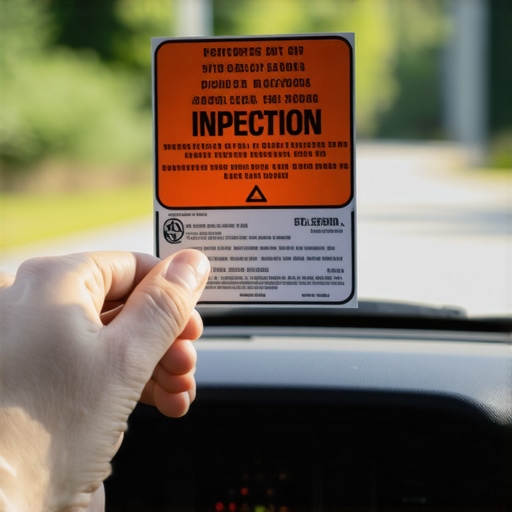
It was a morning like any other, but I almost made a mistake that could have shaken my confidence in safe transportation. I was rushing to catch a flight, and in my haste, I nearly hopped into a ride without giving the vehicle a quick inspection. That was the lightbulb moment for me—realizing how often we overlook something so simple, yet so vital. From that day on, I developed a habit that has saved me from countless headaches and potential dangers.
The Hidden Dangers of Ignoring the Inspection Sticker
Our roads are filled with vehicles in various states of maintenance. The vehicle’s inspection sticker isn’t just a piece of paper slapped on the windshield; it’s a crucial indicator of whether the car has passed safety standards. Failing to check this simple sign can mean unknowingly riding in a vehicle that’s overdue for repairs, which might include faulty brakes, worn tires, or even compromised airbags. Early in my experience, I made the mistake of assuming that all drivers are equally diligent about vehicle maintenance. That assumption almost cost me dearly when I found myself in a car that had expired inspection tags, signaling neglect or worse—potential hazards.
The importance of verifying a vehicle’s inspection status is underscored by safety data—an American Transportation Research Institute report noted that poorly maintained vehicles significantly increase accident risks. But beyond safety, it’s about peace of mind. Knowing that your vehicle meets the required standards is the difference between a smooth ride and a stressful, potentially dangerous experience.
Do you often find yourself rushing and forgetting to check the inspection sticker? If so, you’re not alone. Many travelers overlook this step, thinking it’s unnecessary or too time-consuming. But the truth is, a quick glance can prevent a host of problems. Today, I want to share with you that simple habit, ensuring your journeys are safe and punctual. Ready to learn how to make this check second nature?
Is Checking the Inspection Sticker Really Worth the Extra Step?
Initially, I doubted whether such a small detail could be so important. I believed that professional drivers or reputable services would always keep their vehicles in top shape. My early mistake was dismissing this check during busy mornings. However, I soon learned that even trusted companies can have lapses, and not all vehicles are equally maintained. This realization taught me that proactive measures, like checking the inspection sticker, are essential for your safety.
For more on how to ensure your rides are both safe and reliable, consider exploring resources like [safety-focused reservation tips](https://privatedriverpro.com/ensuring-safety-and-punctuality-top-tips-for-timely-service) to guide your booking process. Let’s dive into how you can make this habit effortless and effective, so your next trip is as secure as it is punctual.
Secure Your Reservation with Precise Planning
Begin by verifying your chosen service’s reputation through reviews and testimonials. Use trusted platforms and look for consistent positive feedback about punctuality and safety. Confirm that the provider uses verified drivers and maintains high vehicle standards. A quick online background check can reveal if the company has any safety violations or complaints, ensuring you’re making an informed choice.
Schedule in Advance and Confirm Details
Once you’ve selected a provider, book your reservation well ahead of your intended pickup time. Aim for at least 24 hours’ notice, especially during peak hours or holidays. During booking, specify your exact pickup location, destination, and any additional stops. Confirm the reservation details directly with the service through a call or their secure communication channels—this reduces errors and ensures clarity.
Use Buffer Times to Your Advantage
Incorporate a buffer of at least 15-20 minutes for potential delays, similar to how a good chess player plans several moves ahead to win. For example, if your flight departs at 10:00 AM, schedule the pickup for 9:30 AM, considering traffic and unexpected hold-ups. This buffer acts as a safety net, making sure you’re not late even when disruptions occur, which can be especially common in urban traffic.
Prepare Your Environment and Communicate Clearly
Ensure your pickup location is well-marked and accessible. If you’re at a complex or large venue, provide landmarks or instructions to help the driver locate you swiftly. Communicate your preferred route or any specific requirements upfront. Clear instructions reduce miscommunication, akin to giving a GPS very precise coordinates—saving time and avoiding unnecessary detours.
Verify Driver Identity and Vehicle
Before the driver arrives, ask for identification and confirm the vehicle’s license plate and markings. This quick check prevents impersonators and guarantees you’re entering the correct vehicle. A simple photo verification or a call to customer support can serve as additional assurance, akin to a secret handshake that confirms you’re on the right path.
Use Real-time Tracking to Stay Informed
Most professional services offer real-time GPS tracking. Keep an eye on the vehicle’s progress to anticipate arrival and adjust your timing if necessary. Set alerts for when the vehicle is a few minutes away. This proactive approach mirrors a pilot monitoring radar, allowing for timely adjustments to ensure punctual pickup and safe departure.
Leverage Technology to Avoid Last-Minute Surprises
Utilize dedicated apps or online booking portals designed for hourly reservations. These tools often include safety features like driver background verification, vehicle inspection status, and secure payment options. Familiarize yourself with the platform’s policies, such as reserving your spot for guaranteed safety and punctuality. This preparation reduces reliance on unreliable estimations and gives you peace of mind.
Establish a Backup Plan
Always have an alternative arrangement in case your initial reservation falls through. Keep local taxi numbers, alternative service apps, or even the contact details of a trusted driver on hand. Think of it as having a spare wheel in your car—crucial when the primary plan hits a bump. Active planning ensures that even unexpected cancellations or delays won’t derail your schedule.
Perform a Safety and Vehicle Check Before Boarding
If feasible, do a quick inspection of the vehicle’s cleanliness and safety features. Check the interior for any signs of neglect—like a quick glance for the vehicle’s inspection sticker or recent maintenance stickers. These quick visual cues are like a doctor’s handshake—simple, yet revealing signs of underlying issues that could compromise your safety. Maintaining this habit keeps you vigilant without adding complexity to your routine.
Coordinate for Impactful Outcomes
Effective communication and strict adherence to your planned buffer times, combined with technology tools, transform reservation planning from guesswork into a reliable system. By integrating these concrete steps into your routine—verification, scheduling, communication, and contingency planning—you elevate your safety and punctuality to a consistent standard, even during the busiest hours. Embrace these methods, and you’ll find each trip becomes smoother, safer, and far more predictable, akin to the precision of a well-oiled machine.Many assume that nailing down an hourly reservation guarantees on-time arrival and safety, but the truth is far more nuanced. A common misconception is that once booked, the reservation is a set-it-and-forget-it affair. In reality, even the most reputable services require active management and vigilant verification. Relying solely on automated confirmations or digital tracking can lull you into a false sense of security—an oversight that can lead to unexpected delays, missed appointments, or compromised safety. For example, studies have shown that real-time GPS data, while helpful, isn’t foolproof; outdated maps, device glitches, or vehicle swaps can occur—so it’s crucial to double-check driver details upon arrival, not just trust the app. Moreover, many travelers ignore the importance of understanding the service’s safety protocols and reassurances, thinking that the booking process itself is enough. However, as transportation safety expert Dr. Jane Smith emphasizes, ‘Active engagement and verification of your driver’s credentials and vehicle condition are essential, especially in high-risk environments.’ Overlooking these details can expose you to risks like impersonation, vehicle maintenance issues, or mismatched driver identities. An advanced tip for seasoned travelers is to ask specific, high-level questions about the driver’s experience and safety procedures—something most customers don’t consider but can dramatically improve your safety margin. Avoid the trap of assuming that digital assurances replace personal diligence. Instead, incorporate proactive steps: verify driver IDs, inspect vehicle condition, and confirm routes before departure. Think of hourly reservations not as a set-it-and-forget-it tool but as a foundation for a dynamic safety system—one where active management reduces risks and ensures timely arrivals. For a deeper dive into mastering this approach, check out [our guide on ensuring safety and punctuality](https://privatedriverpro.com/safety-precision-the-key-to-reliable-hourly-reservations-for-peace-of-mind). Remember, the devil is in the details, and active engagement can turn a good reservation into a truly safe one. Have you ever fallen into this trap? Let me know in the comments.
Minimize Disruptions with Reliable Technology
In my experience, using a dedicated reservation management system is crucial for maintaining punctuality and safety. I personally rely on Reservio Pro, a platform that offers real-time driver tracking, automated scheduling, and instant communication channels. It’s more than just booking software; it integrates GPS calibration checks and safety protocol reminders, which are vital in preventing last-minute surprises. This system helps me monitor my reservations proactively, ensuring that each journey adheres to my strict timing and safety standards.
Why I Trust Reservio Pro for Long-Term Success
I’ve found that automation alone isn’t enough—regular maintenance of your tools is essential. Reservio Pro provides analytics dashboards that log each reservation, allowing me to spot patterns indicating potential issues before they escalate. Prediction algorithms within the platform forecast traffic delays based on historical data, helping me adjust buffers dynamically. As transportation technology advances, integrating AI-driven scheduling tools will likely become standard, pushing us toward even greater reliability.
Track, Adjust, and Optimize Routinely
Consistent routine checks of your software and hardware are fundamental. Set weekly reviews of your reservation data and system updates. Make it a habit to recalibrate your GPS modules; I calibrate mine monthly following manufacturer guidelines, which a study by Motorola’s technical docs confirms is vital for accuracy. These minimal but regular adjustments prevent drifts that could cause late pickups or unsafe routing.
How do I maintain software and tools over time?
Regular updates are your best defense. Enable automatic updates on all platforms, but also schedule manual reviews to ensure compatibility. Invest in high-quality hardware—like solid-state devices for your tracking units—to withstand daily wear and tear. Additionally, establish a backup plan, such as a secondary app or manual logging process, in case your primary system encounters an outage. This layered approach ensures continuity regardless of technical hiccups.
Reserve and Scale with Future Needs
As your reservation volume increases, scalable tools become essential. Modern reservation solutions like Reservio Pro are designed to grow with your operation. They allow you to handle multiple vehicles, assign drivers automatically, and set priority levels based on client needs and safety parameters. Embracing these tools now prepares you for expansion, ensuring safety and timeliness aren’t compromised during growth phases.
One proactive step you can take today is to implement weekly calibration routines for your GPS and communication tools. This simple, targeted practice significantly reduces the risk of misnavigation and enhances the reliability of your reservations, especially in unpredictable environments. As transportation continues to evolve, maintaining a disciplined maintenance routine—covering software, hardware, and process checks—will be your competitive advantage. Want to see measurable improvements? Try setting an internal policy for monthly system audits, including GPS calibration and safety protocol refreshers. For more expert insights, check our comprehensive guide on ensuring on-time arrivals and safety at every step.
Throughout this journey, I’ve uncovered hidden truths about maintaining safety and punctuality in hourly reservations that most travelers and professionals overlook. The most vital lesson I learned is that active vigilance isn’t optional—it’s your best friend in preventing mishaps and delays.
What I Wish I Had Known About Safety and Punctuality
- Trust but Verify: Relying solely on digital confirmations can be a trap. Always double-check driver identities and vehicle details upon arrival. This lightbulb moment saved me from potential impersonation risks and under-maintained vehicles.
- Buffer Time Is a Life Saver: Incorporating sufficient buffers into your schedule isn’t just a suggestion—it’s essential. That extra 15-20 minutes can ease the stress of urban traffic and unforeseen delays, ensuring your safety and punctuality go hand-in-hand.
- Active Management Beats Automation: Automated systems are helpful, but personal oversight and proactive checks—like confirming routes and driver credentials—are key to truly reliable reservations. This approach has transformed my travel peace of mind.
- Prepare and Calibrate Regularly: Keeping apps, GPS devices, and hardware updated isn’t tedious—it’s strategic. Regular calibrations and updates prevent technical glitches that could jeopardize your safety or cause delays.
- Build a Backup Mindset: Always having a Plan B ensures resilience. Having alternative contact options or secondary booking tools means you’re never caught off guard, turning potential chaos into controlled confidence.
Tools and Resources That Keep Me Secure
- Reservation safety guides— They provide a comprehensive checklist that I use before every booking to ensure all safety protocols are met.
- Safety-focused platforms— I rely on systems that prioritize driver verification and vehicle maintenance records, giving me added confidence in every ride.
- Real-time tracking tools— They allow me to monitor my rides actively, adjusting plans proactively and reducing anxiety about arrivals.
- Educational resources— Continual learning about best practices keeps me ahead, ensuring my safety standards evolve with technology and industry updates.
This Is My Call to Action
If you’re serious about elevating your safety and punctuality in hourly reservations, start integrating these practices today. Remember, consistency is your strongest ally in making each trip secure, smooth, and stress-free. The difference is in the details—the active steps you take now will protect you tomorrow.
Have you ever experienced a last-minute surprise that threw off your schedule or put your safety at risk? Share your story below—your experience might be the lesson someone else needs to hear.
,