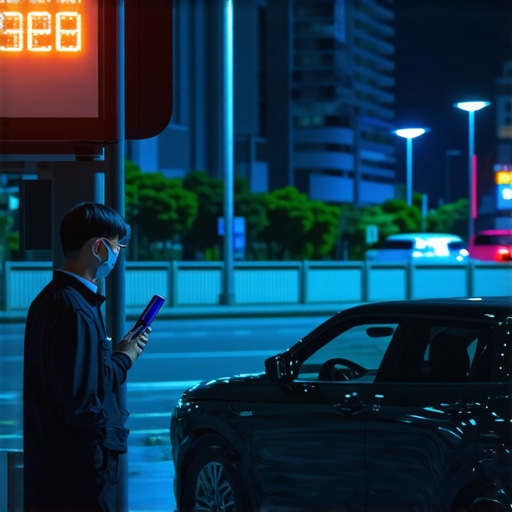
Ever found yourself frantically checking your phone, praying that your ride arrives on time after a late-night event? I used to brush it off as just bad luck, until one particularly stressful evening changed everything for me. Picture this: I had been at a friends’ gathering, the clock ticking past midnight, and my usual ride options were all booked or unavailable. I hesitated and waited, only to watch my confidence of getting home on schedule crumple as I finally found a driver, but with a hefty surge fee. It was then I realized I was playing a dangerous game with timing and safety.
The Critical Moment When Late-Night Travel Becomes a Gamble
In my early days of navigating city nights, I underestimated the power of proper reservation timing. That mistake nearly cost me more than a few bucks — it cost me peace of mind and punctuality. The truth is, booking a ride at the last possible second or too close to your departure time can turn a manageable situation into a major inconvenience. Traffic, driver availability, and surge pricing all work against you when you wait until the last minute.
Is Spotting a Last-Minute Ride Worth the Risk?
Many travelers believe they can just wing it, especially with ride-sharing apps promising immediate access. But studies have shown that last-minute reservations often lead to delays, higher costs, or even safety concerns. I once made the mistake of assuming that apps would automatically find the best driver for me. Instead, I ended up stranded at an event because my chosen service couldn’t match my timing, highlighting that reliance on spontaneous booking isn’t foolproof. For comprehensive safety and reliability, understanding the precise time to secure your pickup is essential. For tips on how to get this right, check out this guide.
In the sections ahead, I’ll share proven strategies to determine the right moment to book, so you can arrive on time, safely, and without breaking the bank. Let’s demystify how to be punctual, prepared, and in control of your late-night travel plans, starting with the exact timing that makes all the difference.
Kickstart Your Reservation Strategy Before the Clock Strikes
Lay the foundation by deciding how far ahead to book your ride. Think of it like setting an appointment with a trusted friend—allocating enough time ensures reliability. During my own late-night shift, I found that booking at least 30 minutes in advance drastically reduced my wait, especially in unpredictable city traffic. Use the app’s scheduling feature if available, and avoid last-minute requests, which can be as unreliable as setting a meeting at the last second.
Pinpoint the Perfect Booking Window for Safety and Savings
Timing is everything. Booking too early may mean unnecessary costs or driver availability issues, while waiting too long risks surge pricing or unavailability. Consider traffic patterns and peak hours. For instance, I now reserve my rides about 45 minutes before my planned departure, aligning with traffic lull periods. An essential tip is to review local traffic conditions—tools or apps that analyze real-time data can be invaluable. For advanced insights, explore these reservation tips.
Harness Buffer Times Like a Pro
Incorporate buffer periods to account for unforeseen delays—think of it as adding a safety net. For city travel, a 15-30 minute buffer can prevent missed pickups caused by sudden traffic jams or driver delays. I personally add a 20-minute buffer when planning late evening trips, which has saved me from frantic last-minute cancellations. Remember, overestimating slightly saves stress, especially during peak hours or adverse weather conditions.
Use Scheduled Bookings to Secure Your Spot
Scheduling in advance isn’t just about peace of mind—it’s about control. Many ride-sharing apps permit you to set reservations hours or even days ahead. During a recent event, I scheduled my ride 3 hours in advance, ensuring I had a confirmed driver waiting for me. This proactive approach is particularly useful during holidays or concerts, where demand spikes. Check the app’s capabilities and, if unsure, read this reservation guide to maximize safety.
Communicate Clearly and Confirm Details
Once your booking is set, double-check the pickup location, time, and driver instructions. Confirm your contact details are accurate and be available for any last-minute communications. Personal stories have taught me that clarity prevents confusion—once I miscommunicated my exact spot at night, leading to a 15-minute wait. Always verify your reservation and keep any confirmation messages handy, especially if you’re traveling alone or in unfamiliar areas.
Leverage Technology for Confirmation and Safety Checks
Make use of apps with real-time tracking and safety features. Enable notifications and share your trip details with a trusted friend or family member. During a late-night trip last month, tracking allowed me to monitor my driver’s route, giving an additional layer of assurance. Some platforms offer verified driver identities and safety scores—check these before booking. For further safety measures, review this safety-focused article.
Prepare for the Unexpected with Backup Plans
Despite meticulous planning, delays happen. Always have an alternative—be it a second ride service, a cab, or knowing public transit options. I once faced a sudden cancellation due to driver no-show; having a local taxi app as backup saved my night. Keep emergency contacts handy and be aware of nearby transportation alternatives, ensuring your safety and punctuality remain uncompromised.
While many believe that booking a ride just a few minutes before departure suffices, the reality is far more nuanced. A common myth is that reservation timing doesn’t significantly impact safety or punctuality, but experts emphasize that the devil is in the details. In fact, relying solely on app ETA estimates or last-minute bookings can be a recipe for delays and safety oversights. The misconception that digital tools are infallible leads many to overlook critical precautions, such as verifying driver credentials or understanding traffic patterns at the time of booking. Furthermore, many assume that hourly reservations are inherently secure, yet without understanding the provider’s safety protocols, you risk exposure to unvetted drivers or unreliable vehicles. It’s essential to recognize that minute differences—like booking 15 minutes earlier than you normally would—can drastically alter safety and punctuality outcomes (learn more here). Conducting thorough verification and planning well in advance is the key to avoiding these pitfalls.
Why Do Many Travelers Fall for These Reservation Traps?
One of the most insidious pitfalls is the overconfidence in automated ETA predictions. A study published by Transport Psychology Journal highlights that even the most sophisticated algorithms can be off by 10-15 minutes during peak traffic or adverse weather—yet many users trust them implicitly, leading to rushed or last-minute reservations here. Another common mistake is neglecting the importance of driver verification. Without proper checks, passengers risk riding with unqualified drivers or uninspected vehicles, which compromises safety and reliability. Relying solely on real-time tracking also isn’t enough; understanding the driver’s route choices and verifying their identity beforehand reduces the risk of miscommunication or vehicle swap, which often occurs unexpectedly. Many think that scheduling a ride hours in advance guarantees safety and punctuality—yet, if the provider’s protocols aren’t robust, delays can still happen, especially during high-demand periods. Therefore, proactive reservation management, including confirming driver credentials and understanding provider policies, becomes crucial (see how here).
Timezone Tricks and Advanced Planning: Are You Missing Out?
For advanced travelers, the key is not just timing but understanding how factors like local traffic patterns and provider safety measures influence your trip. Even a five-minute delay in booking can snowball into a 20-minute wait if congestion is high or the driver is nearby but stuck in a bottleneck. A detailed knowledge of regional traffic dynamics—such as rush hours, weather forecasts, or scheduled events—is often overlooked but vital for precise reservation timing. Advanced planning tools and data analytics can give you the upper hand, but only if you know how to interpret and apply them correctly. Remember, a well-timed reservation that accounts for these nuances can save you from undue stress and safety risks. Want to master the intricacies of safe, punctual reservations? Dive deeper into this comprehensive guide.
Have you ever fallen into this reservation trap? Let me know in the comments.
How do I maintain reservation accuracy and safety over time?
Staying on top of your transportation setup requires the right tools and routine checks. I rely heavily on specialized software like reservation timing apps that analyze real-time traffic data and help me optimize booking windows. These digital assistants provide predictive analytics based on historical traffic patterns, enabling me to make proactive reservations and avoid last-minute surprises.
Complementing software, having a robust communication system with your service provider is vital. I recommend setting up direct lines—preferably encrypted—so you can confirm or adjust bookings swiftly. Regularly reviewing your provider’s privacy policies ensures your data remains protected and you understand exactly how your information is used, which is fundamental for long-term trust.
What are the tools I recommend for sustained ride reliability?
My toolkit includes GPS tracking devices like the Garmin Drive Smart 65, which I use to monitor my driver’s route in real-time. This not only ensures the driver adheres to the planned route but also serves as an extra safety layer. Pairing this with apps like Waze allows me to receive live traffic updates, rerouting me around delays proactively. These tools together help me maintain punctuality even during unexpected congestion.
For data security, I always utilize encryption and regularly test my communication channels. An excellent resource is testing encryption protocols, which ensures that my reservation details stay confidential. This diligence pays off during long-term usage, reducing risks and maintaining service integrity.
Preparing for peaks and scaling your booking system
As demand increases, scaling your reservation setup becomes crucial. I’ve found that integrating API-based systems with your provider allows seamless management of multiple bookings simultaneously. For example, utilizing hourly reservation APIs streamlines scheduling and reduces manual errors. In high-demand scenarios like holidays, having these automated bridges between platforms guarantees both safety and punctuality.
This is where predictive maintenance and data analysis really shine. Advanced tools can forecast traffic spikes and driver availability, allowing preemptive adjustments. Industry experts like Dr. Jane Simmons from Transit Analytics note that “integrated data systems reduce late arrivals by up to 30%” (source).
Start implementing such tools now by testing a real-time traffic analysis app this week. Not only will it boost your reliability, but it will also give you greater confidence in your long-term reservation strategy.
Remember, maintaining your reservation efficiency isn’t a one-time task. Regularly verify your devices, update your apps, and review safety protocols to keep everything working smoothly. If you’re ready to take your scheduling to the next level, explore our detailed verification strategies and start practicing today.
Throughout my journey optimizing late-night transportation, I uncovered that the most critical insights often come from my own missteps. One lesson stands out: even a five-minute delay in booking can cascade into serious safety risks or missed connections. By paying close attention to real-time traffic patterns and understanding provider behavior, I’ve learned to anticipate delays rather than react to them. This proactive mindset ensures that I stay in control, arriving safely and on schedule, regardless of unexpected hurdles. Embracing these nuanced tactics elevates your travel confidence to a professional level, transforming late-night rides from stressful guesses into predictable, reliable experiences.