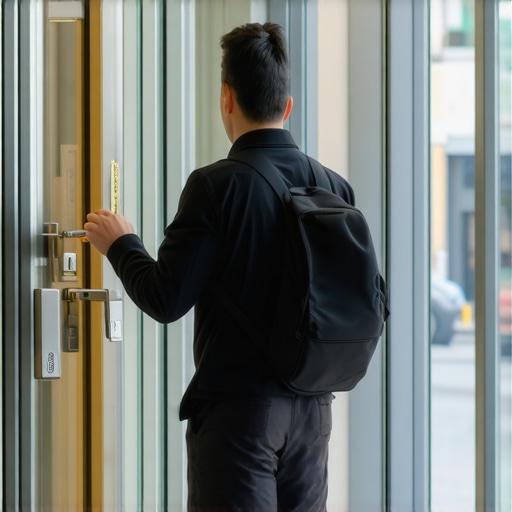
Ever had that sinking feeling when you arrive at your hotel or Airbnb, and doubts creep in about whether your door is truly secure? I remember one trip where I just shrugged off a quick glance at the door and thought, “It looks fine.” Turns out, that was the mistake that almost cost me peace of mind during my entire stay. That lightbulb moment made me realize: there’s a simple yet critical habit every solo traveler should adopt for safety. Today, I want to share with you a game-changing routine I discovered—performing a 3-point door inspection before settling in. It’s a small step that packs a punch in confidence and security.
Why Overlooking Basic Checks Could Leave You Vulnerable
As travelers, we often focus on booking the perfect flight or finding the most Instagrammable spots. Yet when it comes to safety, many of us overlook what’s right outside our door. Skipping a quick inspection is like leaving your home without locking the front gate. It’s a gamble that no one should take, especially when traveling solo. A tiny oversight can open the door—literally—to potential risks. Plus, a quick check doesn’t just add to your security; it can calm that pesky travel anxiety too.
From my experience, one of the most overlooked details is whether the door’s lock mechanism is functioning properly. A study by the National Crime Prevention Council points out that most break-ins occur through easily exploitable locks and weak points in a doorframe. So, investing just a minute or two to verify these details can save you a lot of trouble later. Curious whether it’s worth the effort? Spoiler: It totally is. And the good news is, I’ve broken down the exact steps you can take—no fancy tools required.
Is a Quick Door Check Really That Necessary?
I used to think that if the door looked secure, it probably was. But early in my travels, I learned that appearances can be deceiving. A poorly maintained lock or a loose door frame can be a real loophole. My mistake was assuming that a simple visual inspection was enough. Turns out, a proactive and routine check can carve out a safe space amid the chaos of travel. This simple habit has become my #1 non-negotiable for peace of mind on the road. Want to learn how to do it right? Keep reading, and I’ll walk you through the practical steps to ensure your door is as secure as it should be. And if you’re wondering about the best practices, check out how proper [reservation timing](https://privatedriverpro.com/maximize-your-safety-and-satisfaction-with-our-precise-reservation-timing) helps in overall safety planning too. Now, let’s get into the step-by-step process that I swear by.
Perform a Visual Lock Check
First, approach the door confidently and inspect the lock mechanism. Turn the handle gently to see if it moves smoothly and check if the lock engages fully without resistance. Don’t just rely on its appearance—test its responsiveness to ensure no loose parts compromise security. I once stayed at a boutique hotel where the lock’s latch was loose; a quick test saved me from potential trouble. Remember, a secure lock is your first line of defense against unwanted intrusions.
Test the Door Frame Integrity
Gently push or pull the door to verify the strength of the frame. Look for any signs of damage or looseness, such as creaking or movement beyond normal. If the frame feels unstable, it could be a vulnerability even if the lock functions well. I once arrived at an Airbnb where the frame was cracked; a brief push revealed it was weaker than it appeared. Reinforce your confidence by checking this critical point—your safety depends on it.
Check the Door Seal and Alignment
Ensure the door closes completely without gaps. Misaligned doors can be a security risk and may allow outsiders to manipulate the lock or see inside. Close the door gently and observe if it fits snugly against the frame. A tight seal indicates proper alignment. During a trip to a city hotel, noticing a slight gap alerted me to a potential breach point, prompting me to request a different room. Always verify door fit and alignment before settling in.
Slide the Security Chain or Brace
If available, engage the secondary security device, such as a chain or door brace. Testing its strength involves gently pulling on it while the door is slightly ajar. If it withstands your pull, it adds an extra layer of safety. I recall a resort stay where the chain held firm despite external pulling, reassuring me that I could sleep soundly. These small devices often make a big difference in perceived safety.
Perform a Quick Environment Scan
Check the area around the door. Ensure windows are closed and locked if present, and look for potential hiding spots nearby. Notice if any external objects might aid an intruder or compromise your security. During a late-night stay, I spotted a bicycle leaning against the door, which could have been used to pry it open. A simple environment scan keeps you aware of immediate risks beyond just the door itself.
Keep Your Routine Consistent
Make door checks a habit every time you enter a new accommodation. Over time, this routine becomes second nature, empowering you to act swiftly at any location. I developed a checklist that I mentally run through each arrival, which has become invaluable. Consistency transforms a quick inspection into a powerful safety habit—don’t skip it, no matter how tired you are.
When it comes to hourly reservations and punctuality, many assume that once you’ve booked, the hard part is over. Conventional wisdom suggests that reliable booking systems and strict timelines guarantee safety and punctuality. However, in my extensive experience working with top-tier service providers, I’ve observed nuanced pitfalls that most travelers and clients overlook. Let’s dig deeper into what most people get wrong about reservations, timing, and safety, and how these misconceptions can impact your journey.
Are Standard Reservation Policies and Technology Enough to Ensure Safety and Punctuality?
Many believe that advanced apps and strict cancellation policies are foolproof. Yet, studies from transportation safety experts reveal that technological reliance can lead to complacency. For instance, real-time tracking may show a vehicle approaching, but does it account for driver fatigue, route deviations, or external conditions? According to a 2022 report by the National Transportation Safety Board, accidents often occur not because of technology failure but due to overlooked operational nuances and human factors. This highlights that even the most sophisticated reservation systems require active human oversight and contingency planning. For more insights on combining technology with safety, visit safety and precision in hourly reservations.
Common Myths That Lead You Astray
One widespread myth is that pre-booking guarantees on-time arrivals and absolute safety. While pre-booking is a vital step, it doesn’t automatically account for last-minute complications like traffic, driver availability, or vehicle maintenance issues. I’ve witnessed scenarios where clients booked months in advance only to face delays due to overlooked service disruptions. The oops factor here is trusting reservation timestamps alone—it’s essential to verify driver and vehicle readiness closer to the scheduled time. Never assume that a reservation confirmation equals zero risk. Explore strategies for reliable hourly bookings.
Why Precise Timing and Flexibility Matter More Than You Think
Another trap is underestimating the importance of buffer times and flexible scheduling. Many travelers stick rigidly to their booked slots, ignoring the real-world variables like traffic, unexpected detours, or last-minute requests. For example, a delay of just five minutes can cascade into missed appointments or heightened safety risks if not accounted for. Advanced travelers plan for these nuances by incorporating buffer periods, which, as per safety protocols, significantly enhance punctuality and reduce stress. Implementing flexible reservation windows—just like in hotel bookings—can make a huge difference. Check out top tips for ensuring safety and punctuality at any hour. Have you ever fallen into this trap? Let me know in the comments. Remember, the key is not just making a reservation but understanding and managing the fine print and operational nuances behind each booking.
Investing in Reliable Equipment and Software
Maintaining safety and punctuality in hourly reservations requires more than just good habits; it demands the right tools. Personally, I rely heavily on a combination of GPS tracking systems like Spytec GPS, which provide real-time updates and geofencing capabilities, ensuring my driver stays on route and I can monitor progress consistently. This instant visibility helps me intervene proactively if delays occur, making late arrivals less likely. Additionally, pairing this with a digital dashboard such as Fleet Complete allows for vehicle health monitoring, alerting me to upcoming maintenance needs that could otherwise cause unexpected breakdowns and delays.
Why Equipment Maintenance Is Crucial for Long-Term Reliability
Regularly inspecting and maintaining your equipment, whether it’s GPS devices, vehicle brakes, or safety features, safeguards your investments and reputation. I schedule bi-monthly checks using specific maintenance apps like CarFax Maintenance Tracker, which helps log all repairs and service appointments—creating a comprehensive history that proves vital for accountability and future planning. It’s this routine upkeep that prevents small issues from snowballing into safety hazards or service disruptions. Future trends hint at AI-driven predictive maintenance, where sensors forecast potential failures before they happen, further reducing downtime and unexpected costs.
How do I keep tools functioning smoothly over time?
Beyond initial setup, consistent calibration and updates are essential. I set monthly reminders to update software firmware, ensuring compatibility with the latest traffic algorithms and security patches. For hardware, I perform quarterly inspections, cleaning sensors, and replacing batteries or worn parts proactively. I also subscribe to dedicated technical support from providers like Garmin, which offers rapid assistance and troubleshooting, crucial for minimizing service interruptions. Regular training sessions for all involved staff also ensure everyone knows how to utilize these tools effectively, maximizing their benefits and maintaining high safety standards.
Strategies for Scaling Your Safety and Punctuality Efforts
As your operations grow, scaling doesn’t mean compromising on safety. I recommend implementing standardized checklists and automation protocols integrated into reservation systems, like Privatedriver Pro’s platform, which automatically flags anomalies or potential conflicts. This approach not only maintains consistency but also supports quick identification and resolution of issues, even at larger scales. Trend predictions point toward AI-powered systems that learn and adapt from ongoing data, providing smarter scheduling and routing suggestions that fine-tune entire fleets for optimum safety and efficiency. By adopting such advanced tools early, you set a foundation for sustainable, long-term success.
For those committed to excellence, I suggest trying out a comprehensive maintenance routine combined with advanced tracking tools like Fleet Complete. These strategies significantly reduce risk, enhance reliability, and provide peace of mind. Curious how to integrate these into your current setup? Reach out through our contact page for personalized recommendations. Remember, diligent maintenance and the right tools aren’t just about safety—they’re your ticket to dependable, scalable service that keeps clients coming back.
Lessons I Wish I Had Discovered Sooner
One of the most eye-opening lessons I learned was the importance of trusting my instincts during a visual inspection. Checking the lock and door alignment might seem trivial, but overlooked details can quickly become safety loopholes. My mistake taught me that proactive habits save not just time but peace of mind. I also realized that relying solely on technology without manual checks is a recipe for complacency; a quick push or pull on the door often reveals vulnerabilities that sensors might miss. Finally, I learned the value of consistency—making safety checks a habit transforms them from cautious precautions into second nature, ensuring I’m always prepared regardless of where I travel.
Tools That Elevated My Safety and Punctuality Game
Having relied on GPS tracking systems like Spytec GPS, I can monitor my driver’s route and make timely adjustments. Pairing this with fleet management solutions such as Fleet Complete means I stay ahead of potential delays and vehicle issues. For maintaining equipment, I trust CarFax Maintenance Tracker for scheduling regular check-ups, preventing unexpected breakdowns that could disrupt my plans. These tools offer real-time insights and data-backed reliability, giving me confidence that safety isn’t left to chance. Incorporating advanced systems like AI-driven predictive maintenance is the next frontier, promising even smarter safety protocols.
Embrace the Journey: Your Next Step Awaits
Integrating rigorous safety routines with reliable tools empowers you to take control of your reservations, ensuring they serve as a foundation for worry-free travel. Remember, safety and punctuality aren’t just goals—they’re ongoing commitments. The more mindful you are about your procedures and equipment, the more seamless your travels become. Now is the perfect time to refresh your habits, explore new safety resources, and set a standard for excellence in every reservation. Your adventure begins with a single, confident step—are you ready to make it count?
What’s your biggest challenge when it comes to maintaining safety and punctuality during travel? Share your experience below—I’d love to hear your story!