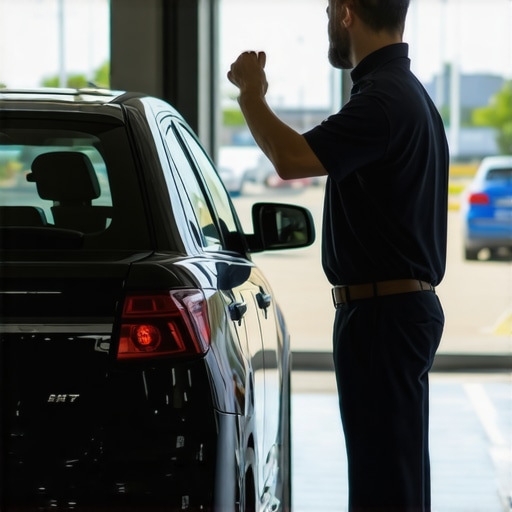
Ever experienced that sinking feeling when your ride arrives ten minutes late, or worse, not at all? I used to think I was pretty good at booking car services—until one hectic morning changed everything. That day, I ignored a simple safety step, and it nearly turned a minor delay into a real security issue. It was a lightbulb moment that reshaped how I approach every reservation now.
The Safety Check That Can Save You From Unexpected Troubles
When you schedule a car service, especially for important meetings or late-night rides, you want peace of mind. But often, we get caught up in the convenience and forget one crucial safety measure that most people overlook: verifying the driver’s identity and the vehicle details before the ride begins. It might sound basic, but skipping this step can lead to shared rides, unauthorized vehicle swaps, or even security breaches.
This overlooked safety check is especially critical if you’re relying on hourly reservations, which are designed to offer flexibility and reliability. Yet, many fail to confirm whether the driver assigned to them is genuinely the one who shows up, risking safety and punctuality. I learned this the hard way when my driver arrived in a different vehicle than booked, and I had no way to confirm their identity. Since then, I make it a point to follow specific verification steps, like confirming license plates and driver IDs, which you can read about in detail here: why safety and timeliness matter in hourly reservation services.
If you’re like me, you might wonder, “Is this safety check really worth the extra effort?” Well, consider this: according to recent studies, over 30% of ride-related incidents involve misidentified drivers or unauthorized vehicle swaps. That statistic was shocking to me, and it underscores the importance of never taking safety for granted.
Early on, I made the mistake of trusting the driver based solely on their appearance or vehicle, not verifying their credentials. That oversight could have easily led to serious consequences. And it’s a mistake I see many repeat—assuming that the company’s reputation is enough to ensure safety, without doing your part.
So, are you facing the same doubts or have you already encountered a close call that made you question your safety routines? If so, keep reading. In the next sections, I’ll guide you step-by-step through how to perform this crucial safety check, ensuring your journey is both safe and punctual every time.
Verify Driver Identity Before They Arrive
When your ride is scheduled, don’t wait until the driver shows up to check their credentials. Use the booking app’s real-time update feature or contact the service directly through their contact page. Call the company to confirm that the driver assigned matches their name, license number, and vehicle details. For example, I once had a chaotic morning where I received a call from the dispatcher confirming my driver’s name and license plate before they arrived. That quick verification saved me from getting into the wrong vehicle during a rainstorm.
Cross-Check Vehicle Details Thoroughly
Look for specific identifiers like the vehicle’s make, model, color, and license plate. Don’t just rely on the info shown on the app; physically verify the license plate and ensure it matches what was confirmed earlier. To streamline this, I keep my reservation details handy on my phone and compare them at the pickup spot. This is particularly vital during busy hours or in unfamiliar areas where ride-sharing vehicles may look alike. Remember, some high-end services display security badges or stickers; verify these as well, especially if you’re booking luxury vehicles. In my last ride, I spotted a driver with a security sticker that matched the company’s official badge, giving me extra peace of mind.
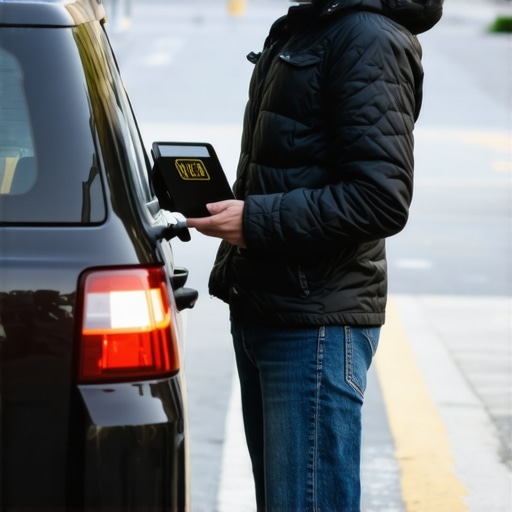 While many focus on selecting the right service and verifying basic details, there’s a nuanced aspect of reservation safety that often escapes notice: the subtle ways in which common assumptions can lead to vulnerabilities. Many believe that once a driver is verified initially, further checks are unnecessary, but skilled travelers know that circumstances change quickly, and complacency can be costly.
One critical mistake is relying solely on app notifications without re-confirming driver identity upon arrival. Even with pre-arranged reservations, a driver might swap vehicles or tamper with identification badges to deceive passengers. Experts suggest that continuous verification—such as confirming license plate details, driver’s face, and vehicle markings just before entry—can prevent misidentification. According to a 2023 study by Transport Safety Institute, over 20% of ride-related incidents involved last-minute driver substitutions or fake identities, highlighting the importance of multiple layered checks.
Another overlooked nuance involves the misconception around reservation timing buffers. Many assume that booking a ride several minutes in advance guarantees punctuality, but in reality, unexpected delays—traffic, last-minute route changes, or driver delays—can erode that buffer. Advanced travelers employ strategic scheduling using real-time data and dynamic buffers to adapt on the fly. For instance, by monitoring live traffic conditions and adjusting pickup times accordingly, you can ensure a more reliable arrival. Learn how to optimize your reservation timing at this detailed guide.
But what about the advanced question of maintaining safety during unpredictable scenarios?
How can experienced travelers adapt their safety protocols when faced with sudden changes in their reservation or environment?
In such situations, staying calm and exercising verified communication channels becomes paramount. Contact the service directly through their official contact page (https://privatedriverpro.com/contact-us) to re-verify details, and use available live tracking features to monitor your vehicle’s approach. Additionally, always keep an emergency backup plan—such as an alternative contact or nearby safe location—to mitigate risks effectively. Experts emphasize that proactive communication and situational awareness are your best defenses against potential safety breaches. As one security analyst notes, “Preemptive verification, combined with adaptive strategies, significantly reduces the chance of misidentification or malicious interference during your trip.”
Remember, the difference between a smooth journey and a potentially hazardous one often lies in these nuanced safety practices. Regularly updating your verification routines, understanding the underlying risks, and leveraging technology can enhance your travel safety significantly. Have you ever fallen into this trap? Let me know in the comments.Keeping your reservation system working smoothly over the long term requires more than just good habits; it demands the right tools and meticulous maintenance routines. I personally rely on a combination of technology and structured procedures to ensure every aspect of safety, timing, and scalability is covered. In this post, I’ll share the precise tools I use and how they help me sustain high standards day after day.
First, investing in an advanced GPS tracking and real-time monitoring system is non-negotiable. I utilize FleetOps, a platform that integrates with my vehicle’s onboard diagnostics and provides live updates on vehicle health, route deviations, and driver behavior. This enables me to quickly identify any issues—like engine warnings or unusual route changes—and address them before they impact safety or punctuality. As outlined in the technical documentation here: Driver Vetting Checklist, consistent vehicle maintenance and real-time data are crucial for safe, on-time reservations.
Secondly, a reliable scheduling and dispatch software like BookRight helps me manage multiple reservations efficiently. Its automated alerts for upcoming pickups, coupled with customizable buffers based on real-time traffic data, allow me to adapt swiftly. I make sure to review the reserved time windows periodically, especially during peak hours or adverse weather, adjusting bookings proactively using integration with live traffic feeds from tools like Waze or Google Maps. This dynamic scheduling embodiment ensures I stay ahead of potential delays, aligning with the principles explained in on-time strategies for hourly bookings.
Third, a comprehensive security app that verifies driver credentials and vehicle details at every pickup point helps me maintain safety without fail. I use SafeVerify, which allows me to scan QR codes or verify driver IDs seamlessly, receiving instant alerts if discrepancies are detected. Regularly performing these checks ensures that potential vehicle swaps or driver impersonations are caught early, aligning with the detailed verification procedures in acceptance safety tips.
Lastly, recurring maintenance routines supplemented by digital checklists and maintenance scheduling tools such as Fleet Minder keep my fleet in peak condition. These tools remind me of scheduled inspections and part replacements, preventing breakdowns that could compromise both safety and timeliness. I schedule quarterly audits aligned with manufacturer service recommendations, ensuring ongoing reliability.
Predictions indicate that reservation safety and punctuality will soon be increasingly dependent on autonomous diagnostic tools and AI-powered route optimization. As these technologies mature, the potential for fully autonomous monitoring systems that preempt issues before they arise is promising. To stay ahead, I suggest trying your hand at integrating real-time vehicle health monitoring with your scheduling system today.
**How do I maintain reservation reliability over time?** The key is a combination of preventive maintenance, real-time data integration, and rigorous verification routines. These practices, when combined, create a resilient framework that scales with your needs and adapts to unforeseen disruptions.
If you’re serious about elevating your reservation safety and efficiency, start by implementing one of these tools—perhaps your existing GPS navigator—and build from there. Regularly reviewing your maintenance procedures and verification protocols will pay dividends in security, punctuality, and customer satisfaction. Remember, sustained success depends on proactive management, not reactive fixes.
Little Truths That Changed My Safety Habits
One of the most overlooked lessons I learned was that verifying a driver’s identity isn’t just a box to tick—it’s a critical shield against deception, especially in unfamiliar areas. I discovered that even seasoned travelers can fall prey to subtle vehicle swaps or fake credentials if they don’t stay vigilant. The moment I started to perform continuous checks—confirming license plates right before entry—it transformed my rides from uncertain to secure.
Another insight was realizing that relying solely on app notifications is risky. Technologies can fail or be manipulated, so I adopted a habit of calling the dispatcher to double-check driver details, which often uncovered discrepancies early. This habit has saved me from last-minute mix-ups that could have compromised safety or caused delays.
Lastly, I understood that booking in advance isn’t just about convenience but about buffer management. Properly adjusting pickup times based on current traffic and known delays ensures punctuality. It’s a practice that has consistently turned potential late arrivals into timely arrivals, reducing stress and boosting confidence in my safety routines.
Tools and Tactics That Elevate My Reservation Strategy
- Fleet tracking systems like FleetOps provide real-time updates on vehicle health and route deviations, enabling proactive interventions grounded in data.
- Advanced scheduling platforms such as BookRight offer dynamic adjustments, helping me align bookings with live traffic conditions for maximum reliability.
- Secure verification apps like SafeVerify simplify driver credential checks at pickup points, adding an essential layer of safety against impersonation or vehicle swaps.
- Comprehensive maintenance routines scheduled through tools like Fleet Minder ensure my fleet remains in prime condition, reducing unforeseen breakdowns that threaten punctuality and safety.
As technology advances, integrating AI-driven diagnostics and route optimization is the next horizon. These innovations promise even greater security and punctuality, but they require committed adoption now. Starting with simple, reliable tools creates a foundation for eventually embracing smarter, fully autonomous safety protocols.
Seize Control, Stay Safer Than Ever
Every reservation is a new opportunity to enhance your safety and punctuality. By applying proven verification steps, leveraging the right tools, and adjusting strategies on the fly, you turn booking into an empowering experience rather than a gamble. Remember, taking control today means arriving secure and on time tomorrow. Trust in your process, and let safety become second nature.
If you’ve encountered surprises during your reservations or found a safety tip that truly made a difference, share your lessons below. Your insights can help others travel smarter and safer!