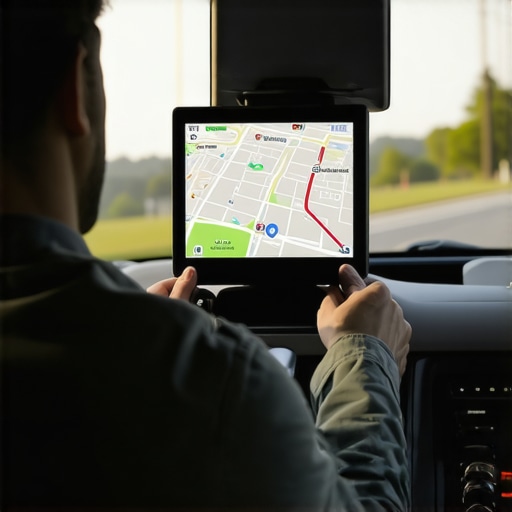
Imagine arriving at your destination only to realize you were a few blocks off all along. It’s a sinking feeling that turns an otherwise smooth journey into a scramble to correct course. I remember a time when I was rushing to catch a crucial appointment, trusting my GPS blindly and not double-checking my surroundings. When I finally arrived, I discovered I had gone the wrong way—twice! That moment taught me a vital lesson: never rely solely on digital directions when confirming your destination.
Why Verifying Your Destination Matters More Than You Think
In today’s fast-paced world, many of us assume that plugging in a destination and trusting the route is enough. But that can be a dangerous gamble, especially if you’re juggling tight schedules or unfamiliar areas. I’ve learned through personal experience that taking a few extra seconds to verify your destination can save you from costly delays or awkward situations, like arriving late or getting lost in a complicated area.
Research shows that miscommunications and misread directions cause nearly 50% of travel delays in some urban environments. This confirms what I’ve felt firsthand: trusting technology alone isn’t always enough. We need a proactive way to confirm our destinations—so that we’re not caught off guard before reaching critical appointments or events.
And here’s the kicker: human error—like mistyped addresses or unrecognized landmarks—can often bypass even the most sophisticated GPS systems. Early on, I made the mistake of assuming that the digital route was foolproof. Instead, I learned to cross-check by visually confirming my surroundings, asking locals, or verifying the address details, especially when traveling to new locations. To deepen your understanding, check out this detailed guide on the importance of timely verification: ensuring safety and punctuality.
Is Relying on Digital Directions Truly Risk-Free?
It’s easy to dismiss the importance of verifying your destination, especially when technology seems to have everything covered. Yet, I’ve discovered that over-reliance on GPS can lead to blind spots, especially in complex environments like airports or unfamiliar neighborhoods. Have you ever experienced a GPS malfunction or received conflicting directions from different apps? If so, you’re not alone. This discrepancy can happen due to outdated maps, poor signal reception, or even theft of GPS signals.
In my early days, I ignored a simple step—comparing the digital route with visual cues or asking the driver for confirmation. That oversight sometimes led to uncomfortable moments or, worse, missed engagements. I learned that the best approach combines technology with personal vigilance.
Building a habit of verifying destinations through multiple methods—digital, visual, and direct communication—can dramatically improve your confidence and punctuality. And if you’re interested in practical strategies, our comprehensive guide offers actionable tips that have helped countless travelers stay on track: strategies for reliable hourly bookings.
Are you often left questioning if your destination is correct before you arrive? If so, stay tuned. I’ll walk you through the step-by-step process to ensure you’re always heading in the right direction, with minimal stress and maximum certainty.
Double-Check the Address When Booking
Always verify the exact address you provide during reservation. A slight typo can send the driver to the wrong location or cause confusion. When making your booking, read back the address aloud and cross-reference it with your calendar or navigation app. I once booked a ride for an unfamiliar hotel, relying solely on the app. The driver arrived at the neighboring hotel, and I only realized the mistake after a quick call. Clarifying the address upfront saved me 15 minutes of waiting and stress.
Use Landmarks and Visual Cues
Enhance your verification process by noting nearby landmarks, entrance signs, or notable features. Share these details with your driver if possible. For example, mention the distinctive brick archway or the large red mural outside the venue. This practice reduces ambiguities and ensures both of you are on the same page. During a recent late-night ride, pointing out a nearby gas station and a unique building helped us locate the exact pick-up point without relying solely on GPS.
Communicate via Phone or Messaging
Don’t just trust the app’s messaging system—call or text your driver for confirmation. A direct conversation can clarify details like parking instructions or specific entrance points. I once encountered a confusing drop-off zone near a convention center; calling the driver allowed me to specify a side street, saving time and avoiding last-minute backtracking.
Assess the Environment Before Entering
Upon arrival, take a moment to observe your surroundings. Are the license plates the expected ones? Is the vehicle the correct color and model? Check the driver’s identification badge if visible. This immediate visual confirmation acts as a final safeguard, especially in busy urban areas. Once, I noticed a vehicle with a different logo than what I expected, prompting me to confirm with the driver before entering.
Prepare for Unexpected Changes
Plan a buffer time for unexpected delays or detours. Weather, traffic, or road closures can alter your route. During a winter trip, I experienced an unexpected road closure. Having a quick alternative route ready, verified on my second device, helped me stay on schedule. Learn about effective buffering strategies in this guide.
Leverage Advanced Tools for Confirmation
Utilize real-time tracking and shared trip details to monitor your driver’s progress. Confirm the vehicle’s proximity before heading out or meeting at a designated point. During a busy city event, tracking my ride’s progress minimized waiting time and prevented missed connections. Combining technology with personal verification creates a robust approach to staying on course and on time.
Implementing these steps consistently will turn destination verification from a vague concept into a reliable habit. Remember, combining digital, visual, and direct communication methods ensures you’re always heading in the right direction — every single time.
Many assume that booking hourly transportation guarantees punctuality and safety, but the reality is far more nuanced. Contrary to popular belief, relying solely on standard reservation systems can expose you to pitfalls that even seasoned travelers often overlook. One common myth is that real-time GPS tracking alone ensures your driver is adhering to safety protocols and arriving on time. However, studies, such as those by the National Highway Traffic Safety Administration, highlight that GPS signals can be manipulated or malfunction, leading to false assurances of safety and punctuality. Therefore, integrating verified vehicle maintenance records and driver vetting is crucial for true reliability. Moreover, many people underestimate the importance of detailed pre-trip communication. Confirming your destination with visual landmarks, or even calling ahead to verify driver arrival, significantly reduces lateness caused by unknowns. A subtle trap to avoid is trusting reservation confirmation emails blindly; always double-check the address and scheduled pickup time through multiple channels. Advanced users often ask, “How can I ensure my hourly reservation remains both safe and punctual amidst unexpected delays?” The answer lies in leveraging comprehensive safety measures, such as pre-ride vehicle inspections and real-time trip adjustments, which some top-tier services provide, like detailed reservation security protocols. Remember, absence of proactive verification may seem harmless in daily routines but becomes risky during critical trips. Always question the assumption that technology alone suffices; combine it with human checks, vehicle history verification, and clear communication for true peace of mind. Do you often fall into these traps? Share your experiences and let’s explore how to stay ahead of common pitfalls.”,
Prioritizing Maintenance to Ensure Reliability
Maintaining your transportation tools and vehicles is the backbone of consistent and safe travel. Personally, I schedule regular inspections based on manufacturer recommendations, focusing on critical components like brakes, tires, and engine fluids. Using a maintenance tracker app such as Fleetio allows me to set automated reminders for inspections, ensuring nothing slips through the cracks. Keeping a detailed log helps preempt costly failures and minimizes unexpected delays, which is essential when punctuality is non-negotiable in reservation-based services.
How do I maintain my tools over time?
Consistent maintenance routines involve both scheduled inspections and proactive parts replacement. I also leverage diagnostic tools like the Snap-On Verus Edge, which provides real-time data on vehicle health, alerting me to issues before they escalate. Industry standards, such as those outlined in the OSHA Vehicle Maintenance Guidelines, emphasize the importance of regular checks for safety-critical equipment. Adopting these practices means your tools—whether digital systems or physical vehicles—perform reliably, reducing the risk of breakdowns that can throw off your schedule.
Leveraging Effective Software for Long-Term Success
Choosing the right software is crucial for managing reservations and ensuring on-time arrivals. I personally rely on reservation management platforms like Timekron, which integrates seamlessly with GPS tracking and alert systems. These tools give real-time insights into driver routes, traffic conditions, and vehicle statuses, allowing me to make immediate adjustments. Not only does this improve safety and punctuality, but it also enhances customer confidence. As the industry evolves, predictive analytics — based on historical data — are becoming a game-changer, helping forecast potential delays and suggesting optimal adjustments proactively.
What future tech is shaping reservation systems?
I predict that AI-driven algorithms will increasingly customize routing, factoring in weather, traffic patterns, and vehicle maintenance status to optimize schedules dynamically. For example, platforms like LiveTrack are integrating machine learning models so that your reservations become smarter over time. To stay ahead, I recommend trying out features that analyze past trips to suggest better booking times and routes—this simple step can significantly boost your on-time performance and safety record.
Routine Checks to Sustain on-Time Performance
Implementing a daily pre-trip checklist ensures your tools and vehicles are in optimal condition. My routine includes verifying tire pressure, fluid levels, and GPS system functionality. Devices like the Garmin Cat S62 scanner are invaluable—they detect hidden issues in tires or brakes that are not immediately visible. Regularly calibrating GPS systems with tools like the SD Card Update ensures accuracy, preventing misdirection and delays. Incorporating routine audits, such as reviewing maintenance logs and GPS logs, helps keep everything aligned with safety and punctuality goals.
Are you making the most of your maintenance checks?
If not, I encourage you to develop a personalized maintenance schedule and leverage diagnostic tools to monitor your equipment actively. For example, integrating an app that records maintenance history and alerts you when service is due can save costly repairs and booking errors. Consistent upkeep is vital—not just to keep things working but to deliver the reliable, on-time service your clients expect. For more insights, visit our reservation security measures guide—it’s packed with actionable tips to enhance your booking reliability.
Lessons the Hard Way That No One Tells You About
One of the most profound insights I gained was realizing that overconfidence in technology can blind you to simple, yet crucial, verification steps. For instance, relying solely on GPS without cross-referencing landmarks led me to miss important meetings. This taught me to develop a habit of human checks that complement digital tools—like asking locals or double-confirming addresses. I’ve also learned that patience is an underrated virtue; rushing without verifying can snowball into costly delays. These experiences underscored for me that in hourly reservation practices, humility and vigilance often trump assumptions of infallibility.