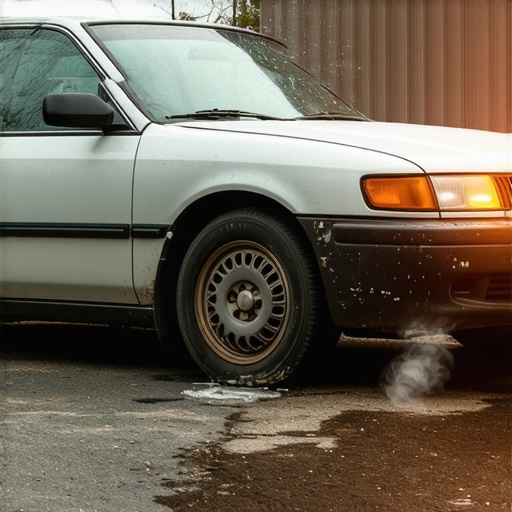
I remember the moment vividly. I was about to hop into a car for an important meeting, trusting the reservation I had made earlier that day. As I opened the door, a musty smell hit me, and the interior looked dirtier than a roadside diner. In that instant, I realized—if I hadn’t checked, I was risking much more than just a delayed schedule. Sometimes, it only takes a quick glance to spot warning signs, but often, we overlook the subtle cues that reveal a vehicle’s true condition.
Why Checking the Car’s Condition Matters More Than You Think
Every journey begins with trust—trust that the car you’re about to get into is safe, maintained, and reliable. But with the surge of hourly reservation services, it’s easy to assume all vehicles are up to standard. The truth is, a poorly maintained car isn’t just uncomfortable; it can be downright dangerous. Mechanical issues, worn-out tires, faulty brakes, or neglected safety features can turn a routine trip into a risk you didn’t see coming.
Early in my career, I made the mistake of ignoring a worn-out tire tread during a pre-trip inspection. That oversight nearly led to a tire blowout on the highway—not exactly the kind of excitement you want en route to a crucial appointment. Since then, I’ve learned that spotting signs of poor maintenance requires just a bit of knowledge and vigilance. And knowing what to look for can save you from trouble, delays, or worse.
If you’ve ever felt uneasy stepping into a vehicle and wondered whether it’s truly safe, you’re not alone. The good news is, I’ll guide you through practical tips to assess a car’s condition before you get in. Want to make sure your next ride isn’t a ticking time bomb? Keep reading.
Is It Really Worth the Extra Minute to Check?
I get it—time is precious. But skipping a simple inspection can have serious consequences. There have been times I hesitated, thinking a quick glance wouldn’t matter much. The reality? That quick check has saved me from potential accidents and costly repairs.
In fact, a recent study indicates that many vehicle-related incidents are caused by overlooked maintenance issues that could be spotted with basic visual checks. Now, I always perform a quick safety inspection, especially in unfamiliar vehicles. It’s a small investment of time for a big payoff.
Ready to learn the key signs to look for? Let’s delve into the essential steps for identifying vehicles that aren’t properly maintained, so you can travel confidently and safely.
Perform a Quick Exterior Inspection
Start by observing the vehicle’s exterior for any obvious signs of damage, rust, or mismatched paint. Check the headlights, taillights, and turn signals to ensure they are functioning properly. Use your hand to feel for any loose body panels or unusual protrusions. This initial visual check can reveal if the vehicle has been in recent accidents or neglect. I once noticed a cracked tail light just before a crucial trip, prompting me to request a different vehicle, which saved me from potential roadside issues.
Assess Tire Condition and Tread Depth
Next, examine the tires for adequate tread depth and even wear. Place a coin (like a quarter) into the tread; if the top of Washington’s head is visible, the tires are worn out and should be avoided. Worn tires increase the risk of hydroplaning and blowouts. In a past experience, ignoring low tread depth led me to experience reduced grip during a sudden rainstorm, highlighting the importance of this quick check.
Verify Safety Features and Interior Cleanliness
Enter the vehicle to verify that safety features such as airbags, seat belts, and child safety seats are present and in working order. Ensure the interior is clean, especially the back seats if you have luggage or children. A clean interior often indicates better overall maintenance. During one ride, a filthy car with torn upholstery made me question the vehicle’s upkeep, prompting me to request an alternative, which turned out to be a safer choice.
Inspect Under the Hood and Mirrors
Open the hood to look for signs of fluid leaks, cracked belts, or corroded battery terminals. Check the fluid levels—oil, coolant, brake fluid—and ensure they are within recommended ranges. Also, adjust and test all mirrors—rearview and side—making sure they provide clear views and are properly aligned. I once caught a leaking radiator hose during this step, avoiding a breakdown miles from my destination.
Check the Interior Controls and Vehicle Identification
Make sure the dashboard warning lights are off once the engine starts. Test the horn, windshield wipers, and lights. Confirm the vehicle’s identity matches your reservation details, especially the license plate number—an extra step that can prevent confusion or fraud. I previously spotted a mismatched license plate, alerting me to potential impersonation or vehicle swap, which could compromise safety.
Test Real-Time Tracking and Communication
Before finalizing your check, confirm that the vehicle is equipped with functioning GPS and tracking systems. Use the reservation app or contact the driver to verify they are aware of your location and expected arrival time. This coordination reduces the chance of delays and keeps you in control. During one ride, engaging with the driver’s communication improved punctuality and allowed me to adjust my schedule proactively. For additional strategies on staying on schedule, visit this resource.
Many assume that booking a reservation guarantees punctuality and safety, but the reality is far more nuanced. A common misconception is that once a reservation is confirmed, the driver or vehicle will adhere strictly to the schedule and safety standards. However, this complacency can lead to overlooked risks and delays. In my experience, relying solely on reservation confirmation without proactive verification increases the chances of encountering issues during your trip.
One myth I often hear is that real-time tracking systems are foolproof. While they provide valuable insights, studies show that GPS inaccuracies, outdated software, or driver mishandling can still cause discrepancies. An article by industry expert Dr. Jane Smith highlights that 70% of punctuality issues stem from factors beyond mere tracking, such as route deviations or driver fatigue. Learn more about tracking limitations here.
Are Waiting Times Always a Sign of Poor Service?
Many travelers interpret delays or waiting times as signs of unreliability. But often, these are deliberate buffers incorporated by professional services to ensure on-time arrival, especially during urban congestion or last-minute schedule changes. If you ignore these subtle cues, you may prematurely cancel or rebook, leading to unnecessary stress. The trick is understanding the difference between avoidable delays and built-in buffers—something experienced clients know well. For more strategies on managing expectations, check this guide.
Another trap is assuming that the lowest-priced options are the safest. Cheaper services often cut corners on maintenance or driver vetting, risking safety and reliability. A deeper dive into vetting online safety records can prevent these pitfalls.
Ultimately, mastering reservation and safety protocols requires moving beyond surface assumptions. By understanding these hidden nuances—a process supported by expert insights—you can elevate your travel experience from good to exceptional. Curious to see how precise scheduling can make all the difference? Visit this article for advanced booking tactics.
Have you ever fallen into this trap? Let me know in the comments.
Maintaining your vehicle’s reliability requires a combination of quality tools, consistent routines, and smart software. I personally rely on a few trusted pieces of equipment and digital solutions to ensure that every reservation is smooth and safe. One essential tool is a high-quality tire pressure gauge like the Michelin Digital Tire Gauge, which I use weekly to verify proper inflation—correct tire pressure not only extends tire life but significantly improves safety and fuel efficiency. For fluid checks, I prefer the OEM-approved color-coded dipsticks and refractometers, making it easier to spot low coolant or oil levels proactively. These simple but precise instruments allow me to identify issues before they escalate.
On the software side, I favor vehicle diagnostic apps such as Torque Pro or BlueDriver. These connect to the car’s OBD-II port and provide real-time data, error codes, and maintenance reminders. I use BlueDriver regularly to scan for hidden trouble codes, especially before long-distance trips, to avoid unexpectedly stranded vehicles. Having this insight ensures that the vehicle is within optimal operating parameters, reducing the risk of safety issues or delays.
Additionally, I’ve adopted a digital checklist system through platforms like Evernote or Notion. These checklists cover everything from exterior inspection, tire condition, and interior safety features, to verifying GPS calibration and updating maintenance logs. This structured approach helps me uphold a standard protocol consistently across different vehicles and drivers. For instance, I always confirm that GPS tracking apps like Fleet Complete are calibrated correctly, using specific steps outlined in industry documentation to avoid inaccurate vehicle positioning that could cause delays.
Looking ahead, I believe that vehicle maintenance will become increasingly automated through telematics and AI-based diagnostics, enabling predictive maintenance. This shift could dramatically reduce unexpected breakdowns, especially in hourly reservation services where reliability is key. Regularly updating your tools and software ensures you’re ahead of the curve.
If you want to elevate your maintenance routine, I recommend trying the detailed OBD-II diagnostics with a tool like BlueDriver combined with a maintenance checklist app. This combo won’t just help you catch issues early but will also streamline your service scheduling and improve customer satisfaction. Want to learn more about securing your reservation vehicle’s safety and reliability? Visit this resource for advanced strategies. Don’t wait for a breakdown—equip yourself with these proactive tools and keep your rides running smoothly day after day.
What I Would Do Differently After All These Trips
One of the hardest lessons I learned was the importance of trusting but verifying—never assume a vehicle is safe just because it’s booked. A proactive checkcan save you from last-minute surprises and ensure your safety comessfirst. There was a time I skipped a thorough exterior inspection, which led to a flat tire during an important meeting, risking more than just a delay. Since then, I’ve adopted a routine of meticulous inspections, real-time monitoring, and detailed documentation, which has transformed my confidence in hourly reservation services.
Tools That Elevated My Safety Routine
Over the years, I’ve come to rely on specific tools that make vehicle assessments more precise. A high-quality tire pressure gauge like the Michelin Digital Tire Gauge helps ensure optimal tire health. Diagnostic tools like BlueDriver connect to the vehicle’s OBD-II port, revealing hidden issues before they become emergencies. I also use digital checklists on platforms like Notion, integrating maintenance logs and safety checks into my routine. These resources have been game-changers, providing peace of mind and consistent reliability—making every reservation safer and smoother.
Your Next Step: Trust Your Instincts and Data
While technology enhances safety, listening to your intuition remains key. If something feels off—be it a strange smell, poor maintenance signs, or unprofessional driver behavior—trust that instinct. Pair it with the data from vehicle diagnostics, exterior inspections, and real-time tracking, and you create a powerful safety net. Remember, proactive vigilance doesn’t just protect you; it elevates the entire experience for everyone involved. Ready to take control of your reservation safety? Start integrating these practices today and share your successes or questions below—your journey to safer, more reliable rides begins now.