
It was a chaotic Saturday morning, and our large family was bustling around, trying to coordinate rides for the annual reunion. As the organizer, I thought I had everything under control until I saw three different relatives stranded at different locations, waiting for a ride that was already late. The stress hit me like a bolt. In that moment, I realized how fragile my scheduling was and how a small oversight could derail the entire day.
The Secret to Keeping Everyone on Track
Since that stressful day, I’ve been on a mission to find a smarter way to manage large group trips. Turns out, leveraging real-time tracking is the game-changer I needed. Not only does it give me peace of mind, but it also ensures everyone stays connected, safe, and on schedule.
Is Relying on GPS Alone Enough?
One mistake I made early on was trusting GPS apps solely to guide us. Unfortunately, they can be inaccurate, especially in urban areas with poor reception or traffic jams. This led to late arrivals and a handful of anxious moments. Recognizing this weakness prompted me to adopt a comprehensive approach that combines GPS data with live tracking updates from trusted providers. It made a huge difference.
Real-time tracking allows you to see your vehicles’ exact locations, anticipate delays, and communicate proactively with your group. It’s like having eyes on every vehicle — ensuring safety, punctuality, and peace of mind. As we explore how to implement this in your own travels, I promise you’ll find practical tips and insights that will revolutionize the way your group manages travel logistics. Ready to stop guessing and start controlling your schedules? Let’s get started.
Set Clear Reservation Windows to Avoid Surprises
Start by defining a precise pickup window—typically 15 to 20 minutes—based on your group’s size and route complexity. For example, during my last family reunion, I scheduled our departure with a 15-minute buffer before the event start, accounting for potential delays. This proactive step prevented last-minute rushes and late arrivals, ensuring a smoother experience.
Leverage Real-Time Data for Adjustments
Utilize live tracking tools to monitor your vehicles’ progress as you approach the pickup time. I once had a driver stuck in minor traffic; by checking real-time location updates, I communicated a slight delay to my group via instant messaging, allowing everyone to stay calm and prepared. This dynamic approach keeps everyone aligned and reduces anxiety.
Coordinate Precise Communication with Drivers
Before departure, send a confirmation message outlining exact pickup details, including location landmarks and expected arrival time, using a trusted communication protocol. During a recent trip, I requested my driver to send a photo of the car’s exterior to verify that it matched the reservation. Such confirmation prevents mix-ups and builds trust.
Implement Safety Checks and Standard Protocols
Always verify that your driver carries the necessary safety credentials and vehicle documentation. I routinely inspect their ID badges and insurance decals in person, especially in high-end vehicles, to ensure legitimacy. Integrating security measures like these safeguards your group against potential scams or unprofessional drivers.
Manage Multi-Stop Itineraries Effectively
If your trip includes multiple destinations, plan the stops sequentially with precise time slots. During a recent multi-stop family outing, I used a dedicated route planner to allocate 30 minutes per stop, adjusting on the fly with real-time traffic updates. This approach minimizes waiting times and keeps the schedule on track.
Incorporate Buffer Time Strategically
Always add a buffer—commonly 10 to 15 minutes—to each segment, especially during peak hours or unpredictable weather. My experience with an early morning airport transfer taught me that a 12-minute buffer reduced stress when unexpected congestion arose, ensuring timely arrivals for flights.
Confirm Reservations and Validate Security
Finally, verify your booking through encrypted platforms and double-check driver credentials before the ride. I test reservation links and review driver profiles using the procedures outlined in this 3-step audit method. Doing so significantly reduces the risk of false reservations and last-minute cancellations.
By systematically applying these core techniques—defining clear windows, utilizing real-time monitoring, verifying driver legitimacy, and planning with buffers—you elevate your group travel planning from guesswork to precision. These steps, though simple, require discipline and attention to detail, ensuring your trips are reliable, safe, and stress-free every time.
 Many assume that simply booking a ride hours in advance or trusting real-time GPS ensures perfect punctuality and safety. However, this oversimplification ignores critical nuances that can undermine your plans. One widespread myth is that real-time tracking alone guarantees on-time arrivals. While GPS and live updates are valuable tools, relying solely on them ignores factors like driver professionalism, route expertise, and unforeseen traffic patterns. For instance, a study published in the Journal of Transportation Safety emphasizes that driver experience and local knowledge significantly impact punctuality, often more than just current location data. Therefore, integrating comprehensive safety protocols and driver vetting processes is essential for true reliability.
Another common mistake is assuming that fixed reservation windows are sufficient in all scenarios. Many travelers set a standard 15-minute buffer, but during peak hours or in complex city layouts, this may be inadequate. The hidden nuance is that understanding the specific environmental context—weather, local events, and typical traffic congestion—allows for more precise timing adjustments. As highlighted by experts at Privacy Pro, customizing reservation buffers based on real-time conditions dramatically improves punctuality.
For advanced users, the critical question is: how can we nuance reservation techniques to accommodate unpredictable variables without adding stress? Adjusting reservation strategies to include flexible buffers and constant communication with drivers creates a resilient system. Implementing these practices helps avoid the trap of over-reliance on technology alone, which can fail due to external factors beyond digital control.
In essence, achieving true punctuality and safety in reserved transportation demands more than just technological trust; it requires understanding local dynamics, rigorous driver vetting, and adaptive planning. Have you ever fallen into this trap? Let me know in the comments. For a deeper dive into best practices, explore maximizing your reservation precision.
Investing in Reliable Equipment and Software
To maintain an efficient reservation system, I rely on a combination of dedicated hardware and sophisticated software solutions. A high-quality mobile hotspot with 4G LTE or 5G capabilities ensures constant connectivity, especially in areas where public Wi-Fi can be inconsistent. I personally use the Netgear Nighthawk M6 because of its reliability and fast speeds, which prevent interruptions during critical booking windows. For software, I prefer reservation management platforms that offer real-time tracking, automated alerts, and seamless driver communication, reducing the risk of human error and missed pickups.
Why Long-Term Maintenance Matters
Consistent performance of your tools over time depends on regular updates and preventative maintenance. Keep your apps updated to the latest versions to benefit from security patches and new features. Additionally, schedule routine hardware checks—test your GPS units, ensure battery health on your devices, and verify that your network devices are functioning properly. This proactive approach minimizes downtime and ensures that your reservation system remains trustworthy and responsive.
Scaling Your System Without Losing Ground
As your operations grow, so does the complexity of managing reservations. Implementing scalable solutions, such as cloud-based management tools, allows you to handle increased volume without sacrificing speed or accuracy. Cloud platforms like these provide flexibility and redundancy, ensuring your system can adapt to rising demand and prevent data loss. Future trends predict even greater integration of AI-powered scheduling and predictive analytics—tools that can foresee potential delays and automatically optimize routing.
How do I maintain my reservation system over time?
Regularly auditing your hardware and software, keeping up with updates, and establishing a feedback loop with drivers and clients are key. For example, leveraging driver punctuality audits helps identify weaknesses and areas for improvement. Scheduling quarterly reviews of your tools ensures that all components operate optimally, preventing issues before they escalate.
Predicting the Future of Reservation Tools
Looking ahead, I believe integration of AI and machine learning will revolutionize how we manage reservations. These technologies will enable systems to predict traffic patterns more accurately, suggest optimal pickup times automatically, and even communicate proactively with clients about delays. Staying ahead means investing in these innovations early—so don’t hesitate to experiment with upcoming features in your management platform.
Ready to upgrade your tools? Start by testing a dedicated mobile hotspot like the Netgear Nighthawk M6, and see how it stabilizes your connection during peak booking hours. Consistent, reliable infrastructure is the backbone of a smooth reservation experience and will keep your operations humming seamlessly for years to come.
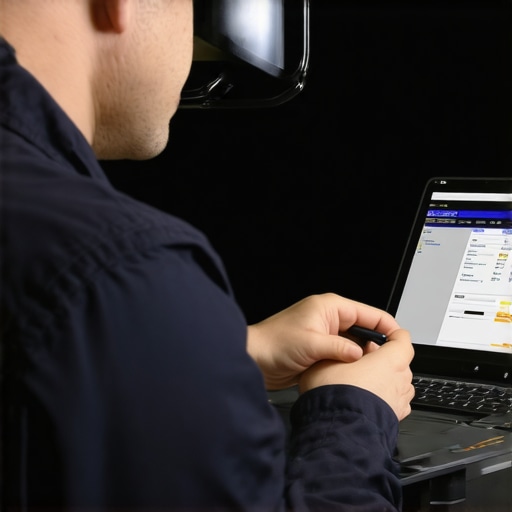
Illustration of a technician performing maintenance on GPS and network equipment to emphasize the importance of regular upkeep.
What I Wish I Knew About Reservation Precision Before Facing the Chaos
- The biggest lesson was realizing that technology alone can’t compensate for human oversight. Even with live tracking and GPS, trusting driver experience and local knowledge often makes or breaks punctuality.
- I learned the hard way that small buffer times, like 15 minutes, aren’t always enough in unpredictable city traffic or adverse weather conditions—customizing buffers based on real-time data is key.
- Verifying driver credentials and vehicle safety features isn’t just a formality; it’s a vital step that saved my family from potential scams and unsafe drivers, giving peace of mind on busy days.
- Having reliable equipment—like a high-quality mobile hotspot—and maintaining it regularly made sure our reservation system stayed responsive, even during peak booking hours or network disruptions.
Tools That Keep My Reservation System Running Smoothly
- Netgear Nighthawk M6: Its speed and reliability ensure constant connectivity, preventing disruptions that could cause delays or miscommunications.
- Reservation management platforms with real-time tracking: They provide instant updates, automated alerts, and seamless driver communication, which are indispensable for timely pickups.
- Routine hardware and software audits: Regular updates and maintenance minimize system failures and ensure you’re prepared for unexpected challenges.
- Cloud-based solutions with AI integration: Advanced tools that analyze traffic patterns and suggest optimal scheduling are shaping the future of reliable reservations.
Shift Your Perspective and Take Control of Your Reservations
Remember, mastering reservation precision isn’t just about adopting new tech—it’s about understanding the environment, verifying safety, and planning with agility. Whether you’re organizing a family reunion or managing corporate rides, these insights empower you to turn uncertainty into confidence. So, are you ready to implement these strategies and elevate your scheduling game? Share your experiences or questions below—I’d love to hear how you’re taking charge of your reservations now.