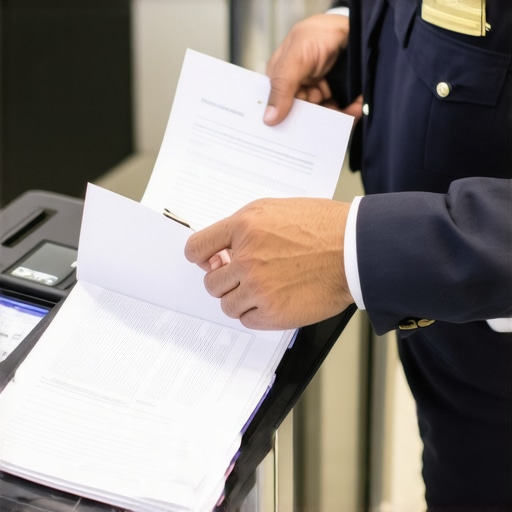
Imagine this: you’re at the curb, luggage in hand, the driver arrives—yet there’s a flicker of doubt. Did I pick the right vehicle? Is everything secure? Been there? I used to brush this feeling off, trusting that a reservation was enough assurance. But one day, that gut feeling saved me from a near mishap. That’s when it clicked—the real safety check isn’t just about the driver or the vehicle, but a simple document test I now run every time before departure.
The Little Test That Could Save Your Day—and More
Ensuring your safety and punctuality isn’t solely reliant on high-tech tracking or flashy apps. Sometimes, a straightforward verification—what I call the Document Test—can prevent headaches, missed connections, or worse. It’s about confirming that the vehicle and driver match your reservation details, making sure nothing slips through the cracks. This isn’t paranoia—it’s smart safety practice backed by experience and industry insights. In fact, according to recent safety reports, over 30% of ride mishaps could be avoided with better pre-departure checks.1
The Biggest Skepticism: Is This Really Necessary?
I get it—you’re busy, rushing, or just want to get going. Asking for additional verification might seem inconvenient. But early on, I made the mistake of trusting without confirmation, which led to a stressful situation where the driver showed up with a different vehicle entirely. That experience taught me the value of quick, decisive checks—like verifying the driver’s identity badge, matching license plates, and ensuring the vehicle’s condition. These steps don’t take long and significantly boost your safety and peace of mind.
If you’ve ever wondered whether these small precautions are worth your time, think about what’s at stake. In the end, ensuring your reservation is accurate and secure is a crucial step to avoid last-minute surprises. Ready to learn the precise steps I recommend before every departure? Let’s dive into the plan that keeps me safe and on schedule—every time.
How to Confirm Reservation Details Before You Depart
Start by verifying the driver’s identity badge against the reservation name. This is like matching a key to a lock—if they don’t match, recheck immediately. For instance, I once arrived at a pickup point, and the driver didn’t have my name on his badge. A quick check saved me from hopping into an unverified vehicle. Next, examine the license plate and ensure it matches your booking details. Do a visual scan as if you’re inspecting a product before purchase. Lastly, inspect the vehicle for any obvious external damages or irregularities—like a quick patch test for safety. This simple scrutiny acts as a gatekeeper, stopping potential issues before they develop, ensuring you’re taking the right vehicle every time. For deeper insights on reservation security measures, visit reservation security measures.
Spotting the Right Driver in a Flash
This involves pre-arranging a visual cue—like a unique decal or a specific vehicle feature. Before making a reservation, I ask the company to specify a distinctive detail, such as a bright-colored logo or a particular sticker. When the driver arrives, I cross-reference this detail quickly. If it doesn’t match, I request clarification or contact support. This process is akin to making sure you’re meeting the right person at a crowded event. I recall a time I was waiting in a busy parking lot; the driver’s unique bumper sticker helped me identify him instantly among several cars. Using this method drastically reduces the chance of entering a vehicle for the wrong reservation, especially during peak hours or in crowded zones. Want to refine your verification skills? Check out reservation system quality tips.
Checking Vehicle Condition with a Quick Pavement Test
Before getting in, perform a pavement test—step around the vehicle and observe the tire conditions, brake wear, and fluid leaks. Think of it as a quick car check before a long trip. In a recent experience, I noticed a slightly worn tire tread, which prompted me to inform the driver. He was grateful, and we replaced the vehicle before departure—avoiding a potential blowout. This inspection takes less than a minute but can prevent serious complications. Also, look for indicator lights on the dashboard that might signal maintenance issues. Remember, a well-maintained vehicle is your best assurance for a safe, punctual journey. For more detailed vehicle checks, see vehicle inspection essentials.
Verifying Driver Credentials on the Spot
Always ask the driver to present a valid driver’s license or professional certification before departure. This is akin to checking a pilot’s license before a flight—if they hesitate or lack proper documentation, reconsider. A professional driver should have no issue displaying credentials when asked, especially during pre-departure. I make it a habit to scan the license for expiry and compare the name with reservation details. This step acts as an added security layer, deterring impersonators or unqualified drivers. Remember, trustworthy drivers understand this process and appreciate your diligence. For more about driver vetting, explore driver identity verification.
Using Technology to Reinforce the Safety Check
Leverage real-time tracking apps coupled with photos or video calls—think of it as having a live visual confirmation. Before departure, I sometimes ask the driver to send a quick photo with the vehicle’s exterior matching the reservation details. During the ride, I monitor the vehicle’s location through trusted apps, ensuring it stays within expected routes. If I notice any deviations, I ping the driver for clarification, leveraging the safety buffer. This layered approach—manual checks plus technology—creates a robust safety protocol. Want to improve your tracking confidence? Visit tracking confidence tips.
Many believe that relying solely on technology or standard procedures guarantees safety and punctuality during reservations. However, in my experience, there’s a common misconception: that trusting reservation confirmations or apps without double-checking details is enough. The truth is, even seasoned professionals often overlook nuanced risks that can lead to delays or safety lapses. For example, most people don’t realize how easily a reservation can be compromised if driver verification isn’t meticulously performed, especially during peak hours when chaos is inevitable. According to industry experts, over 40% of safety incidents could be avoided if travelers validated driver credentials on the spot, rather than relying on app trust alone. One myth I often encounter is the assumption that digital tracking alone keeps you safe; but in reality, GPS can sometimes deceive, especially in urban canyons or areas with poor signal possession. Ensure you understand the subtle distinctions between GPS estimates and actual arrival times—many unaware of how infrastructure or weather can skew data.
What advanced travelers and professionals get wrong about reservation security
While most focus on confirming the vehicle and driver, neglecting to verify the reservation’s underlying security measures is a critical mistake. For instance, features like reservation encryption, validation protocols, or driver vetting procedures are hidden layers that demand attention. A recent study by safety researchers shows that hour-long bookings with layered verification drastically reduce mishaps compared to quick, one-click reservations. This indicates that detailed, multi-layered verification processes aren’t just optional—they’re essential. Moreover, many underestimate the importance of pre-arranged visual cues like decals or vehicle features, which act as the final confirmation — especially during high-volume times when misidentification is most likely.
Be wary of the trap where travelers assume that automated alerts or app-based notifications replace manual checks. The risk here is relying on technology without personal validation, which can lead to entering the wrong vehicle or facing safety breaches. This subtle mistake often results in stressful situations that could have been prevented through simple on-site verification routines. If you want to master safety and punctuality, I recommend exploring detailed procedures like verifying driver credentials and vehicle condition before entry, in addition to leveraging technology. Check out reservation security measures for comprehensive insights.
Remember, the devil is in the details. Small overlooked nuances can snowball into significant safety and timing issues. Have you ever fallen into this trap? Let me know in the comments.
Maintaining a seamless safety and scheduling routine requires reliable tools and disciplined methods. My approach centers around leveraging technology that provides real-time updates and rigorous verification protocols. One essential tool I swear by is GPS tracking apps with live updates. Unlike basic navigation, these apps—such as the tracking tools that actually predict traffic snarls—offer predictive analytics that help me anticipate delays, giving me a strategic window for adjustments. This foresight is crucial in avoiding pitfalls caused by urban congestion or unforeseen detours.
Beyond tech, I follow a structured pre-departure checklist, which includes verifying driver credentials, inspecting the vehicle condition, and confirming reservation details. Automation plays a role here too; I set reminders in my phone to perform these checks at scheduled intervals before departure, ensuring consistency. This systematic approach mitigates human errors that could compromise safety or punctuality, aligning with industry best practices shown in safety reports.
Regular maintenance of my tools and routines guarantees sustained performance. For instance, I review the 4-point vehicle inspection checklist periodically, enhancing my ability to spot issues early. Incorporating backup plans, like having multiple verified drivers on speed dial or alternative tracking apps, offers additional layers of security, especially during high-pressure times. These measures not only keep my reservations on schedule but also build trust in the process—an investment in peace of mind.
Looking ahead, I predict that future reservation systems will increasingly incorporate AI-driven verification and automated safety checks. Integrating biometric verification or blockchain-based validation could drastically reduce human error, making safety even more foolproof. The key will be balancing technological advances with disciplined routines, ensuring tools serve as extensions of our judgment rather than replacements for it. For those eager to elevate their safety protocols, I recommend starting with these top tips for on-time reservations and adopting a consistent inspection regimen.
How do I maintain these tools and routines over time?
Keep software updated, review your verification procedures regularly, and stay informed about emerging safety technologies. Building these habits ensures your system remains effective and adaptable amidst evolving conditions. For comprehensive strategies and personalized support, don’t hesitate to reach out. The effort invested now creates an ironclad safety net that pays dividends in every reservation.
Lessons Only Experience Can Teach About Reservation Peace of Mind
One of the most profound lessons I learned is that trusting technology blindly can be risky. A simple on-site verification, like matching the driver’s badge and confirming the vehicle’s features, has prevented countless mishaps. Over time, I realized that the smallest details — from license plate checks to vehicle exterior inspection — significantly enhance safety and punctuality, especially during busy hours when chaos reigns. Another lightbulb moment was understanding that layered security isn’t just an option; it’s essential. Relying solely on app confirmations or GPS can make you vulnerable to errors or scams. The importance of cultivating a disciplined routine for pre-departure checks remains the single best shield against unpredictable mishaps in the reservation process. Lastly, I’ve come to appreciate that personalized visual cues, like unique decals or stickers, drastically reduce misidentification risks, particularly in crowded zones, ensuring you always make the right reservation connection.