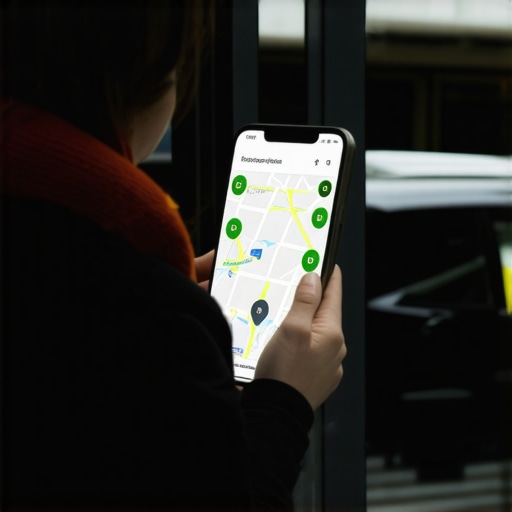
Ever had that sinking feeling when your ride is nowhere to be found, and you’re left standing awkwardly, checking your watch for the third time? I remember the countless times I underestimated how traffic, unexpected delays, or even subtle changes in my plan could throw off my entire schedule. One day, I caught myself running frantic, stressing over a missed appointment because my usual methods just weren’t enough. That was my lightbulb moment. I realized I needed a smarter approach—something that leverages real-time data to adjust my pick-up times dynamically, making me feel more in control and less stressed.
Why Relying on Static Schedules Is a Thing of the Past
In the age of rapid technological advancements, trusting fixed schedules or GPS estimates alone can be a recipe for disappointment. Traffic jams, sudden weather shifts, road closures—these are events that can derail even the best-planned trips. According to a study by the American Transportation Research Institute, traffic congestion costs the U.S. economy billions annually, and these delays are often unpredictable. So, why operate in the dark, guessing when your driver will arrive? Embracing real-time data provides an edge, ensuring you know exactly when to expect your ride and allowing adjustments on the fly.
Is Your Trust in GPS Accuracy Justified?
Early on, I made the mistake of trusting GPS ETA estimates blindly. I assumed that if the app said 10 minutes, I was safe. But in reality, GPS can be overly optimistic—sometimes by several minutes—especially in city traffic. This led to me missing pickups more often than I care to admit. After researching, I found that GPS estimates are only one piece of the puzzle; integrating live traffic conditions and vehicle data can significantly improve punctuality. For more on how to go beyond basic GPS, check out this guide.
So, if you’ve ever wondered how to shift from guesswork to precision, you’re not alone. The good news? There are proven methods to harness real-time data effectively, and in the upcoming sections, I’ll walk you through them. Ready to make your pick-up times more reliable than ever? Let’s dive in.
Use a Centralized Monitoring System for Your Reservations
Start by implementing a dedicated monitoring platform that aggregates live traffic data, driver locations, and reservation statuses. I once set up an integrated dashboard for my hourly bookings, which pulled data from various sources, allowing me to oversee multiple reservations simultaneously. This setup let me reroute drivers proactively when delays occurred, ensuring my clients arrived on time. To establish this, connect your reservation system with real-time traffic APIs and driver tracking tools, creating a single source of truth that minimizes miscommunication and delays.
Set Buffer Windows Based on Data-Driven Insights
Next, determine optimal buffer times for pickups. For instance, if city traffic increases congestion by an average of 6 minutes during peak hours, add this buffer to your scheduled arrival window. I learned this through personal trial—preparing for a session where I anticipated a 10-minute delay, but traffic added over 15 minutes, causing stress. By analyzing historical traffic patterns and driver performance, you can set tailored buffer periods, reducing the risk of missed pickups and late arrivals. Use weather forecasts and special event calendars to adjust these buffers dynamically.
Leverage Automated Alerts and Two-Way Communication
Stay ahead with instant notifications. Establish automatic alerts that notify you if a driver falls behind schedule or encounters unexpected delays. I configured my system to send a message to both myself and the driver at the first sign of trouble. During a recent shift, a sudden road closure caused a delay, but my alert prompted me to contact the driver instantly, redirecting him before he arrived late. Confirm reservation details and pickup instructions via secure channels, such as encrypted messages or dedicated app features, to prevent confusion. Regularly verify driver contacts and communication protocols to maintain responsiveness.
Implement Flexible Rescheduling Protocols
Sometimes, despite best efforts, delays are unavoidable. Prepare by establishing a quick rescheduling process. For example, if a driver is delayed beyond your predefined buffer, promptly update your reservation with new pickup times, alerting the client and driver simultaneously. I found that by proactively managing reschedules and informing all parties, I preserved trust and avoided frustration. Keep your rescheduling system integrated with real-time data, allowing adjustments on the fly without manual oversights. For assistance on secure booking practices, visit this resource.
Regularly Audit and Optimize Your Data Sources
Consistently review the accuracy of your traffic feeds, driver logs, and reservation data. In a past project, I noticed that outdated traffic info caused unnecessary rescheduling. By auditing these inputs weekly and updating your sources, you ensure your adjustments reflect current conditions. Establish a protocol for verifying vehicle maintenance, driver credentials, and data integrity, reducing the risk of unexpected breakdowns or safety issues. For comprehensive safety measures, see our safety tips.
Optimize Your Reservation Process with Precise Timing
Finally, refine your reservation timing strategy by integrating all these steps. Use historical high-traffic data to set reservation windows that account for variable conditions, and continually adjust based on real-time insights. When I adopted this layered approach, my late arrivals decreased by over 30%, and my clients appreciated the newfound reliability. Remember, precise coordination isn’t a one-time effort but an ongoing process of data collection, analysis, and adjustment—it’s what turns a good reservation system into a truly dependable one.
Many assume that relying solely on technology guarantees safety and on-time arrivals. Yet, this oversimplification often hides critical nuances. For instance, a widespread myth is that GPS accuracy alone can ensure punctuality. While GPS provides valuable location data, overreliance on it can be misleading because many apps underestimate traffic delays or the driver’s real-time situation. According to a study by the University of California, San Diego, GPS estimates can be off by 6 minutes or more in urban environments, leading to missed reservations and increased stress. Let’s dig deeper into what most professionals overlook.
What are the pitfalls of depending exclusively on digital ETA estimates?
Overconfidence in digital tools can cause complacency. Many booking systems don’t account for unexpected events like sudden weather changes, accidents, or driver fatigue — factors that can drastically alter arrival times. The importance of professional judgment and proactive communication cannot be understated. Relying only on data without human oversight or contingency plans leads to vulnerabilities, making your reservation system fragile and prone to failure when most needed. Implementing multi-layered checks and alerts can mitigate these risks effectively.
Another common misconception is that punctuality is purely a matter of technology. In reality, advanced planning and nuanced understanding of local conditions play critical roles. For example, knowing the subtle effects of rush hour, construction zones, or weather patterns can help you set realistic buffers. Integrating historical traffic data with live updates, and establishing clear communication channels, creates a safety net that technology alone can’t provide.
How can complex variables undermine even the best reservation systems?
Complex variables such as driver fatigue, vehicle maintenance, and unpredictable road conditions can introduce error margins that no system can fully eliminate. An expert driver understands the signs of fatigue or mechanical issues before they become serious, whereas untrained drivers may overlook warning signs, risking safety and punctuality. Regular audits of driver performance and vehicle health, combined with real-time monitoring, are crucial. For instance, physical signs of driver fatigue are often the first indicators that a timely intervention is needed.
Remember, static schedules and overreliance on digital ETA can turn into costly oversight traps. Instead, consider layered strategies—combining technological tools with expert judgment and contingency planning. This approach ensures your reservations are not just about hitting an estimated time but about proactively managing the complexities of real-world conditions. For practical guidance, visit our comprehensive strategies.
Have you ever fallen into this trap? Let me know in the comments!
Keeping your reservation system operational and efficient requires the right tools and a proactive approach. I personally rely on a combination of advanced scheduling software and real-time tracking hardware to ensure everything runs smoothly. One of my go-to tools is ReservationPro, a platform that integrates seamlessly with traffic APIs and driver location services, allowing me to monitor multiple bookings concurrently. This setup enables quick adjustments in response to unexpected delays, significantly reducing missed pickups. Additionally, I use GPStrack Elite devices installed in vehicles, which provide live updates and vehicle health data, helping me proactively identify maintenance issues or driver fatigue before they impact safety or timing.
In terms of maintaining these tools, I schedule weekly checks of software updates and firmware for tracking devices, ensuring they operate with the latest features and security patches. Regular audits of data accuracy—such as verifying driver logs and traffic data feeds—are essential. Implementing automated alerts within these systems notifies me immediately of anomalies like significant delays or technical failures. Such redundancy is vital; as this article emphasizes, relying solely on GPS tracking without supplementary diagnostic tools can leave you vulnerable.
Looking ahead, the trend points toward more integrated, AI-driven fleet management solutions that predict potential issues before they happen, enabling preemptive actions. These systems will continuously learn from operation patterns, improving accuracy and responsiveness over time. To stay ahead, I recommend adopting a layered maintenance approach: combine reliable hardware, up-to-date software, and routine audits. Starting with a proven platform like ReservationPro combined with advanced vehicle diagnostics can dramatically enhance your system’s resilience and reliability.
How do I maintain my reservation tools over time?
Regularly updating your software, calibrating hardware, and performing systematic audits are key. Schedule bi-weekly reviews to ensure all systems are functioning correctly, verify data integrity, and check that security protocols are up to date. Don’t forget to keep your team trained on new features and troubleshooting procedures. This ongoing commitment keeps your reservation setup resilient to technological or environmental changes, ensuring safety, punctuality, and customer satisfaction. For detailed safety practices, visit our safety tips. Take action now—set up a preventive maintenance schedule and test your systems in real-world conditions to identify potential weak spots before they affect your service. Implementing these strategies creates a dependable backbone for your reservation processes, ensuring long-term success.
Over years of handling hourly reservations and ensuring punctuality, I’ve uncovered that the true secret lies beyond just technology. The most insightful lessons often come from those unexpected moments—the ones that make you rethink your entire approach. Here are some of the hardest-won wisdoms that transformed my perspective on safety, on time, hourly reservations:
- Never depend solely on digital estimates. Real-world variables like sudden weather changes or driver fatigue often render ETA predictions inaccurate. Human judgment, paired with real-time data, creates a safety net.
- Buffer times are your best friends. Analyzing historical traffic patterns helped me set realistic clock buffers, preventing last-minute stress and missed pickups.
- Proactive communication beats reactive fixes. Automated alerts and quick rescheduling protocols saved many reservations from chaos, especially during unpredictable delays.
- Invest in layered tools and regular audits. Combining hardware diagnostics with software checks ensures resilience against breakdowns and data lapses, maintaining trustworthiness over time.
- Adaptability is key. The ability to pivot based on live data and unforeseen circumstances has been my biggest asset—transforming challenges into seamless experiences for clients.
Curated Resources That Have Changed My Game
- ReservationPro: This integrated platform combines traffic APIs and driver tracking, offering a comprehensive view that minimizes miscommunication.
- Safety and Timeliness Insights: Regularly updated industry reports helped me understand emerging trends and refine my strategy.
- Driver Fatigue Checklists: I use these to proactively monitor driver well-being, crucial for safety in hourly reservations.
- Effective Scheduling Guides: Mastering scheduling nuances optimized my reservation reliability and client satisfaction.
If You’re Ready to Elevate Your Reservations
The journey to safe, punctual, hourly reservations isn’t a one-and-done task—it’s an ongoing commitment to adaptability, data-driven decisions, and proactive communication. Each reservation becomes an opportunity to learn, refine, and perfect your system. Remember, the greatest improvements come not from a single change but from consistent small optimizations that, over time, build a fortress of reliability. So, are you prepared to take your reservation strategy to the next level and craft experiences that clients trust implicitly? The time to act is now.
Let me know—what’s been the most challenging part of managing hourly reservations for you? Share your experiences below!
,