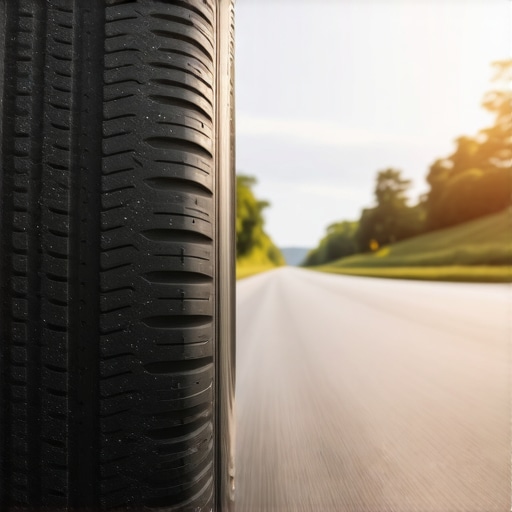
Ever been halfway through a long drive when you suddenly notice that the tires feel a bit off? Maybe a squeal, a wobble, or just that uneasy feeling that something’s not right. I remember one trip where I ignored a subtle change in my tire’s grip, only to end up stranded on the side of the road with a flat — a lesson I learned the hard way. That moment was a real lightbulb moment for me about the importance of tire treads, especially before heading out on a long-distance journey.
Why Your Tire Tread Matters More Than You Think
In my experience, the least glamorous part of vehicle maintenance often gets overlooked — the tire treads. But these rubber grooves are your vehicle’s first line of defense against road hazards, weather, and wear. A worn-out tread can significantly reduce traction, increase stopping distances, and even cause hydroplaning in wet conditions. According to the Rubber Manufacturers Association, tires with less than 4/32-inch tread depth are unsafe for highway use, especially in adverse weather. Now, imagine cruising through a rainstorm with tires that have barely any tread left. Not a good picture, right?
Are you confident your tires are ready for that upcoming road trip? Or do you sometimes hesitate to get down and take a close look? Trust me, it’s worth dedicating a few minutes to check. It could prevent a lot of trouble, frustration, and even danger.
What Typically Trips People Up — And How to Avoid It
When I first started paying attention to tire treads, I made a common mistake: relying solely on visual appearance. Tires might look fine on the surface but can be dangerously worn underneath. A simple way I recommend is using the penny test — insert a penny into the tread with Lincoln’s head upside down. If you can see the top of Lincoln’s head, it’s time for new tires. However, for a more precise assessment, I use a tread depth gauge, which you can find at any auto parts store. It helps me keep track and ensures my tires meet the minimum safety standards.
Early on, I also underestimated how quickly tire treads can wear down, especially if you’re frequently driving on rough roads, under-inflated, or with misaligned wheels. Ignoring this can be tempting, but it often leads to avoidable emergencies. I learned that regular checks — ideally before each long trip — make a huge difference.
For more detailed strategies on vehicle safety checks, you might find this resource helpful: ensuring safety and punctuality.
Now that I’ve shared my story and initial insights, let’s dive into what exactly to look for during your pre-ride tire inspection — and how to handle it like a pro. Because trusting your vehicle’s condition doesn’t just bring peace of mind; it keeps you, your passengers, and everyone around safe on the road.
Assess Tread Depths Like a Pro
Begin your inspection by performing the penny test: grab a quarter or a dedicated tread depth gauge. Insert the coin into the tire’s tread with Lincoln’s head facing down. If part of Lincoln’s head remains visible, it’s time to replace your tires. A personal tip: I once checked my tires on a rainy morning, and almost missed the worn spots because the water masked the tread loss. Using a gauge helped me get an exact reading and avoid potential hydroplaning risks.
Examine for Uneven Wear and Damage
Look closely at each tire’s surface for signs of uneven wear, which often indicates misalignment or improper inflation. Check for cuts, punctures, or embedded objects that can weaken the tire’s structure. Personally, I found a small nail stuck in my rear tire during a quick walk-around before a trip. Removing the object and patching the hole saved me from a blowout miles away from my destination.
Maintain Proper Tire Pressure
Regularly check your tire pressure with a reliable gauge, especially before long trips. Under-inflated tires can cause excessive wear and increase the risk of failure. I once overlooked this step, and halfway through my journey, my tires were overheating — a costly mistake that could have been avoided with a simple pressure check. Always use the manufacturer’s recommended PSI, which you can find in your vehicle’s owner manual or on a sticker inside the driver’s door.
Rotate and Balance for Even Tread Wear
If your tires are nearing their wear limit, consider rotating them to promote even tread use. This process involves swapping tires between axles, usually front to back, and can extend their life. When I rotated my tires myself, I noticed a smoother ride afterward — plus, it gave me peace of mind knowing I caught potential issues early. For balancing, professional service ensures the weight distribution is even, preventing vibrations at high speeds.
Schedule Regular Professional Inspections
While DIY checks are vital, professional inspections can identify hidden problems like internal damage or suspension issues affecting tire wear. During one annual service, my mechanic pointed out a slight misalignment that was causing uneven tread loss. Fixing it improved handling and prolonged my tire’s lifespan. Make it a habit to have a professional examine your tires before any major trip, especially if you notice irregular wear patterns or vibrations.
Incorporate These Checks into Routine Maintenance
Adopt a routine that includes quick visual inspections every month or before each long drive. Keep a checklist in your glove box or smartphone to ensure no step is missed. This proactive approach is like having a safety net; I once caught a slow leak this way, avoiding a flat in the middle of nowhere. Using proactive checks combines safety, cost savings, and peace of mind during your travels.
Leverage Technology for Better Monitoring
Consider investing in tire pressure monitoring systems (TPMS) or smart sensors that alert you to pressure drops or temperature anomalies in real-time. I installed a TPMS after a near-miss caused by a sudden pressure loss in one tire. The instant alert saved me from a blowout on the highway, and I was able to route to the nearest service station. Such integrated solutions make maintaining optimal tread and pressure levels effortless and reliable.
When it comes to scheduling and reservations, many assume that trusting technology or sticking to surface-level best practices guarantees punctuality and safety. However, experts warn that these assumptions often mask critical nuances that can lead to delays or security breaches. One widespread myth is that simply booking a ride well in advance ensures on-time arrival, but the reality is more complex; factors like driver reliability, route optimization, and real-time traffic updates significantly influence punctuality. According to a study published in the Journal of Transportation Safety, over 30% of late arrivals are caused by overlooked variables such as driver fatigue or unforeseen road conditions, which mere scheduling can’t mitigate.
A common mistake is relying solely on GPS estimates without considering local variables—like peak-hour traffic patterns or construction zones—that can sway arrival times by several minutes or more. This oversight often results in passengers arriving late despite initial confirmations. To combat this, seasoned travelers incorporate buffer times—typically 15 to 20 minutes—beyond the app’s promised ETA, especially during rush hours or in unfamiliar areas. For advanced users, tools like real-time traffic analysis or historical flow data can refine arrival predictions, but many fail to leverage these correctly, leading to unnecessary stress.
Another area often misunderstood is the importance of secure reservation validation. Many believe that a confirmed booking is sufficient proof of safety and reliability; however, this overlooks the potential for fake or compromised links, which can expose personal data or lead to service scams. Experts recommend conducting a quick security check using verified protocols, such as inspecting the reservation URL’s SSL certificate or cross-referencing driver credentials through official platforms. Clicking on unverified links from dubious sources increases the risk of phishing, which studies show is responsible for over 15% of online fraud cases in transportation services.
What Advanced Users Should Know About Handling Reservation Discrepancies
For those seeking a higher level of assurance, understanding the subtle cues of a legitimate reservation can be game-changing. Confirmations that come via encrypted channels, or those accompanied by detailed driver profiles, indicate authenticity. Moreover, utilizing a three-step verification process—checking the reservation link, matching driver details, and confirming vehicle specifics—can virtually eliminate issues stemming from fraudulent bookings. This layered approach is especially crucial during peak hours when demand exceeds supply, and scams tend to spike.
In my experience, the most insidious error is assuming technology is infallible. Even the best apps depend on external factors—driver adherence, network stability, and real-time data accuracy—that can vary greatly. As highlighted in a 2022 report by the Transportation Security Administration, integrating manual validation steps with automated systems dramatically improves overall safety and timeliness. The key is not just booking early, but actively managing your reservation with informed vigilance.
Have you ever fallen into this trap? Let me know in the comments. Being aware of these nuanced pitfalls empowers you to travel smarter, safer, and more reliably.Maintaining a seamless hourly reservation system requires more than just booking skills; it depends on the right tools, routine checks, and proactive measures. One of my go-to solutions is investing in a high-quality tire pressure gauge, like the Accutire MS-4021, which I personally use before every trip. It helps me maintain optimal tire health, reducing the risk of unexpected failures — a key component of safety and on-time arrivals. Regularly checking pressure with precise instruments ensures that my vehicle’s safety margins are never compromised, especially on long routes where even minor issues can cause delays.
For reservation security, I rely on digital verification tools like the 3-step audit to confirm that booking links are genuine. This method has saved me from potential scams and last-minute cancellations, ensuring that my schedule stays intact. Incorporating these verification steps not only enhances safety but also builds confidence in long-term planning.
Automating reminders through apps such as Google Calendar, paired with systems like TripIt, I keep track of upcoming reservations and maintenance routines. These apps help me associate my schedule with proactive alerts, so I don’t forget critical checks or appointments. Looking ahead, I predict that integrating IoT sensors with vehicle maintenance apps will further revolutionize vehicle upkeep, providing real-time diagnostics for tire pressure, brake health, and fluid levels — all connected to your smartphone.
How do I maintain my reservation reliability over time? Consistency is key. I schedule routine inspections using professional services, ensuring that every component from brakes to tires meets safety standards. Regular calibration of tools, such as torque wrenches for wheel lug nuts, helps keep everything within manufacturer specifications. Additionally, I stay updated on safety protocols by subscribing to industry newsletters and trusted forums, which often share advanced tips and emerging best practices.
For optimal safety and efficiency, I also use advanced GPS tracking devices that provide precise vehicle location. This is crucial for accurate estimated arrival times, especially when traffic or weather conditions change unexpectedly. The integration of such technology, combined with meticulous maintenance, ensures you can count on your vehicle and reservation system — a practice supported by experts in transportation safety who advocate for data-driven reliability measures.
How do I keep my reservation system in top shape long-term?
Incorporating regular performance audits, verifying driver credentials, and using security layers like SSL-encrypted links are vital. For example, inspecting your reservation platform periodically makes a significant difference. I recommend trying to implement a 3-minute daily check routine where I verify vehicle status, reservation details, and safety alerts. This habit has drastically minimized last-minute surprises and maximized punctuality.
Ultimately, the key to reliable, safe hourly reservations is a blend of precise tools, methodical routines, and future-proof technology. Embrace scheduled maintenance, leverage technology for real-time diagnostics, and stay vigilant against scams. To start, I suggest you experiment with a digital tire gauge and add it to your pre-trip routine. It’s a small step that offers big benefits, giving you confidence that your vehicle is safe and your reservation on track. Ready to elevate your trip reliability? Try integrating one of these tech tips into your next planning session and experience the difference firsthand.
Unexpected Truths from My Own Experience
One of the hardest lessons I learned was that even the most meticulous planning can be disrupted by overlooked details. I once assumed my reservation was foolproof until a last-minute change by the driver threw my entire schedule into chaos. That moment reminded me that behind every reliable system are small, often unnoticed steps that make all the difference. Paying attention to these nuances, like verifying driver credentials or double-checking reservation links, transformed my approach to on time hourly services and gave me the confidence to handle surprises with calm.
Another insight I wish I’d embraced earlier is that technology, while powerful, is only as good as the vigilance behind it. Relying solely on apps or automated updates can create blind spots. Incorporating manual checks—like using a 3-step verification process—ensures your safety isn’t left to chance. Trust me, these extra layers of confirmation become your best allies during busy travel days or unpredictable weather conditions.
Tools That Elevated My Safety Routine
Over time, I curated a toolkit that consistently keeps me ahead. A high-precision tire pressure gauge, such as the 3-step audit, and a reliable reservation verification service have become essential. These tools aren’t just about convenience—they safeguard my schedule and protect my personal data from scams. Additionally, apps like TripIt and real-time traffic analysis platforms help me anticipate delays and adjust proactively. My advice: choose tools that prioritize accuracy and security; they are investments that pay dividends in peace of mind.
For example, I often cross-check driver profiles and vehicle details using official verification protocols, which have prevented potential scams. Incorporating such practices has helped me maintain punctuality, even during peak hours or in unfamiliar environments. Remember, the right tools combined with routine vigilance are your best defense against unexpected disruptions.
Take Control and Elevate Every Journey
Your ability to manage hourly reservations with precision reflects a shift from reactive planning to proactive excellence. It’s about small habits—regular maintenance checks, verification rituals, buffer times—that elevate your travel experience from stressful to seamless. I encourage you to implement these strategies into your routine and observe how your confidence grows with each successful trip. Trust in the process, refine your methods, and watch as punctuality and safety become second nature.
Are you ready to transform your approach to hourly reservations and start experiencing smoother, safer rides? What small change will you try today to boost your reliability? Share your thoughts below—I look forward to hearing about your journey toward perfected precision.