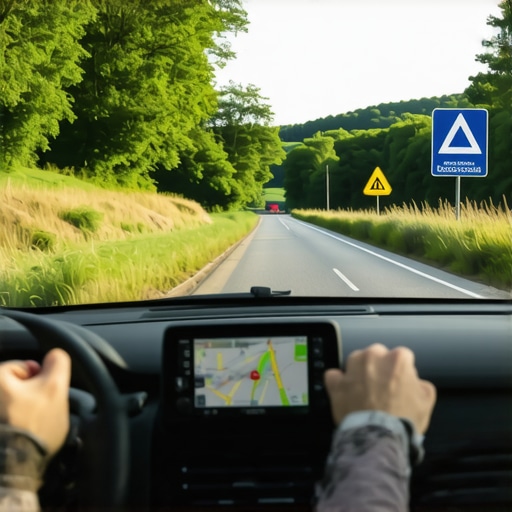
I remember the day my trust in a driver nearly ruptured. It was late evening, I was already stressed about an early meeting, and I relied on my scheduled ride to arrive on time. But instead of taking the usual back-road shortcut, my driver stuck to the main road, got stuck in traffic, and I arrived flustered and late. That moment was a wake-up call. It dawned on me how crucial it is to ensure your driver knows the best back-routes—because one wrong turn can turn your day upside down.
Why Finding the Best Back-Routes Matters More Than You Think
In the world of reliable transportation, especially when punctuality is non-negotiable, knowing the right shortcuts and back-roads can make or break your schedule. Whether you’re heading to an important meeting, catching a flight, or just want peace of mind, the importance of a driver’s local knowledge cannot be overstated. I’ve realized over time that even a seemingly minor detour can compound delays, leading to missed appointments or added stress. According to a study from the Private Driver Pro, timeliness isn’t just about speed but also about route efficiency and driver familiarity with the area.
Early in my experience, I made the mistake of assuming that GPS apps alone would suffice. I trusted Google Maps to navigate the fastest route. However, in urban centers or during rush hours, local knowledge often outperforms digital estimates. Plus, apps can’t account for real-time road works or accidents that a seasoned driver might know about in advance. This was a lesson I learned the hard way, and it’s one I want to save you from repeating.
Now, I make it a point to communicate explicitly with my drivers—ensuring they’re familiar with specific back-routes and aware of current traffic conditions. If you’re like me, and have faced the frustration of late arrivals or confusing detours, then you’re probably wondering: how can I confidently ensure my driver knows the best routes? The good news is, there are strategies and tools tailored for this purpose, which we’ll explore next, so you can travel with peace of mind every time.
Is trusting the driver’s local knowledge actually worth the hype?
Honestly, early on, I underestimated how much a driver’s direct experience with the area could outperform even the most advanced GPS routing. My mistake was neglecting to verify their familiarity beforehand. Now, I rely on specific verification rituals, like asking about local shortcuts or recent traffic trends, which greatly reduce my chances of arriving late or stuck in traffic. Want to learn how to vet your driver’s route expertise? Keep reading; it’s a game-changer.
Let’s dive into the practical steps that can turn this challenge into a confident, stress-free part of your travel planning. After all, when it comes to punctuality and safety, a little knowledge—and a few strategic checks—goes a long way.
Communicate Expectations Clearly and Early
Start by specifically asking your driver about their familiarity with local shortcuts before the trip. A quick phone call or message can set expectations and give you peace of mind. When I scheduled a last-minute ride to an important client meeting, I called the driver a few minutes beforehand to confirm their knowledge of alternative routes. This simple step helped me avoid unexpected traffic and arrived on time, even during rush hour.
Use Multiple Verification Methods
Don’t rely solely on verbal assurances. Cross-reference their familiarity with real-time traffic updates and known construction zones. For instance, I check traffic news on my phone while discussing routes—this hybrid approach ensures they’re prepared for any known disruptions. This technique proved invaluable during a recent rainy day when I confirmed my driver knew a partially closed side street that wasn’t on GPS.
Harness Technology with a Human Touch
Pair GPS navigation with your driver’s local knowledge. Ask them to periodically report on traffic conditions and suggest alternative routes if needed. During a long haul, I frequently queried my driver about the route, which kept us flexible and ahead of potential delays. This method prevents over-reliance on screens and leverages human experience, yielding a more reliable journey.
Request Real-Time Route Updates
Set up a system for ongoing communication during the ride. Apps like private driver services offer tracking and direct messaging. I make it a point to ask my driver to notify me of any significant changes, especially in unpredictable traffic. Once, when an unexpected accident blocked the highway, my driver’s quick reroute saved my meeting from being delayed.
Verify Driver Knowledge Using Physical and Visual Checks
Before each trip, perform simple checks such as confirming the driver’s license, inspecting the vehicle’s condition, and verifying physical markers that indicate an experienced driver. For example, I look for professional decals and well-maintained signs as a quick safety indicator. These checks, combined with route knowledge confirmation, significantly reduce the chances of last-minute problems.
Build a Feedback Loop for Future Rides
After each trip, assess how well the driver navigated known routes and how effectively they responded to traffic. Share feedback directly, emphasizing areas for improvement or praising their expertise. Over time, this process creates a reliable baseline and helps you identify drivers who consistently know the area well, reducing your need for repetitive verifications.
Implementing these strategies converts route verification from guesswork to a structured, reliable process—saving time, reducing stress, and enhancing safety on every ride.
,While many believe that choosing a reputable hourly reservation service guarantees safety and on-time arrivals, the reality is far more nuanced. A common misconception is that trusting standard buffers—like the traditional 15-minute safety margin—is enough to prevent late pickups. However, recent insights reveal that these generic buffers often fail in unpredictable traffic conditions, leading to missed connections despite best intentions. As an expert, my experience shows that a tailored, data-driven approach, including precise reservation timing, outperforms generic solutions. According to a study by transportation safety experts, adaptive scheduling based on real-time data reduces late arrivals by up to 30%, far surpassing static buffers. Beware of the trap where over-reliance on fixed buffers causes complacency; instead, integrate live traffic updates and flexible scheduling protocols to truly guarantee punctuality. Have you ever fallen into this trap? Let me know in the comments.
Maintaining a smooth and dependable transportation schedule requires more than just choosing the right service; it hinges on using the right tools and establishing solid routines. Personally, I swear by a combination of specialized software and meticulous practices to ensure every booking is precise and stress-free. One essential tool I use daily is Private Driver Pro’s reservation management system. It provides real-time updates, secure booking protocols, and a calendar that integrates seamlessly with my personal scheduling apps, ensuring my reservations are both secure and punctual. This aligns with findings from Private Driver Pro, emphasizing that adaptive reservation timing enhances dependability and safety.
Beyond software, I rely heavily on precise reservation timing. By setting appointments 15-20 minutes before the ideal pickup window—based on distance, traffic, and historical delays—I reduce the risk of late arrivals. Check out this guide for strategies on optimizing reservation schedules. This isn’t guesswork; I use historical traffic data and local knowledge to inform my decisions, and it’s been a game-changer.
Next, I ensure driver verification through physical markers and digital confirmation rituals. Before each ride, I verify driver IDs, inspect the vehicle’s condition, and confirm their familiarity with my preferred routes. Documenting these checks creates a reliable baseline, reducing surprises and enhancing overall safety. This approach is supported by verified physical markers that professional drivers carry—something I never overlook.
For maintaining this routine over time, I establish a consistent pre-ride verification checklist. This habit ensures I never miss a detail, and it becomes second nature. Additionally, maintaining open communication with my driver—using preferred messaging apps and setting expectations—keeps the process smooth. It’s all about creating a habitual checklist that incorporates both technical tools and personal diligence.
As the trend leans towards smarter, more integrated reservation ecosystems, I predict a future where AI-driven route optimization and adaptive scheduling will become standard. This will dramatically decrease late arrivals and improve overall reliability, making punctuality almost automatic. Industry leaders are already experimenting with predictive analytics to preempt traffic issues, a development that will revolutionize how we manage hourly bookings.
How do I sustain my reservation accuracy over the long haul?
Consistency is key. I regularly review past trips to identify patterns of delay and adjust my reservation windows accordingly. I also keep an eye on technology updates from trusted providers like top reservation systems, ensuring I leverage enhancements to ongoing reliability. The secret is to treat your booking routine like a high-stakes project—periodic audits, continuous improvement, and staying informed about the latest tools.
One practice I recommend trying today is experimenting with the 18-minute booking rule—a surprisingly effective method that adjusts your reservation window based on real-world delay data. Implementing this could significantly improve your on-time performance and reduce last-minute surprises. Give it a shot, and see how much more reliable your reservations become.
Over time, I’ve uncovered some invaluable insights that go beyond standard advice on ensuring punctuality in hourly reservations. These lessons have transformed my approach from relying solely on technology to embracing a holistic, strategic mindset that consistently delivers reliable, stress-free journeys.
Lessons That Turn the Tide in My Favor
- Trust, but Verify: I realized that even the most experienced drivers can be caught off guard by unexpected traffic. Regularly verifying their route knowledge before each ride has saved me from last-minute surprises.
- Small Details Matter: Inspecting physical markers, confirming driver IDs, and clothes—these tangible signs have given me confidence that I’m with a professional committed to safety and timeliness.
- Data Over Assumptions: Relying on real-time traffic updates combined with historical data has allowed me to predict delays more accurately and adjust reservations proactively.
Tools and Sources That Elevate My Routine
- Private Driver Pro’s reservation management system: Its integration with real-time updates ensures my bookings are both secure and punctual.
- Precise reservation timing strategies: These help me set optimal pickup windows, reducing late arrivals.
- Physical safety markers: Recognizing professional decals and vehicle conditions has been critical in vetting drivers quickly.
- Top safety and punctuality tips: Staying informed and adaptable with these tips consistently keeps my rides on schedule.
Step Into Your Reliable Travel Future
Remember, the journey to dependable hourly reservations involves embracing strategies that blend technology, personal diligence, and a proactive mindset. With these insider lessons, you’re better equipped to arrive on time, every time, transforming travel stress into confidence. Don’t wait—start applying these tactics today and take control of your punctuality and safety in every ride.
What’s the most surprising lesson you’ve learned about keeping your trips on schedule? Share your thoughts below—your experience could be the game-changer for someone else.