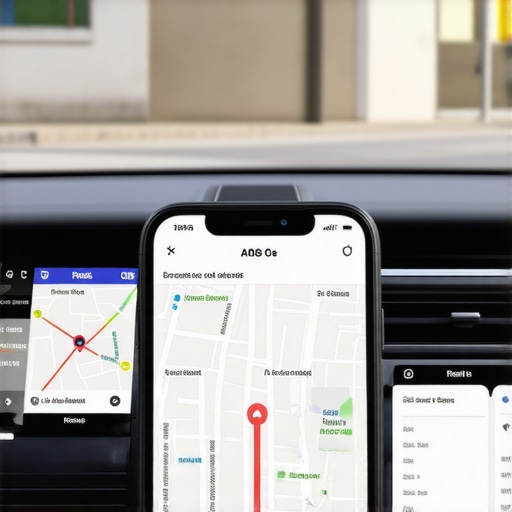
I remember the restless mornings when I’d double and triple-check my clock, pacing the kitchen, hoping I wasn’t forgotten or late for an important meeting. More often than not, I’d find myself anxiously watching the driveway, praying my driver wouldn’t be late—and almost always, I’d still end up rushing or worse, arriving late. That lightbulb moment hit me hard: I was relying on estimates and vague timelines rather than concrete tracking. Turns out, precision isn’t just about GPS—it’s about knowing the exact moment your vehicle will arrive.
Why Accurate Vehicle Tracking Changes the Game in Personal Transportation
If you’ve ever been in a situation where missed pickups or late arrivals threw off your entire day, you understand the frustration. It’s not just about inconvenience; it can cost money, opportunities, and peace of mind. I used to wonder, “Is there truly a way to guarantee punctuality without relying on flaky estimates or chance?” The answer is a resolute yes. Today, I want to share how mastering *stop guessing* with reliable tracking can transform your travel experience, turning uncertainty into certainty.
Will Better Tracking Save You from Common Mistakes?
In my early days of booking hourly reservations, I made a critical mistake: trusting a driver’s initial ETA without verifying their real-time location. When the driver suddenly slowed down or got stuck in traffic, I was blindsided—confused and late. This mistake taught me that not all tracking is created equal. Some services provide outdated or overly optimistic estimates, leading to late arrivals. I learned to look for solutions that incorporate precise, real-time data—something I’ll dive into next. But first, have you faced a similar situation where you wished you had better tools or info to time your vehicle accurately? If so, stick around; what I’m about to reveal will make all the difference.
Implement Real-Time GPS Monitoring
Start by equipping your vehicle with a reliable GPS tracking device that updates location every few seconds. During my last attempt to coordinate a crucial business pickup, I installed a professional-grade tracker and used its dashboard to monitor the driver’s progress. This allowed me to see their exact position and adjust my timing accordingly, avoiding a late arrival. Be cautious, as some consumer apps offer outdated data; instead, opt for a service that guarantees real-time accuracy. You can learn more about selecting dependable systems at this resource.
Set Accurate Arrival Windows with Buffer Time
Using estimates alone often leads to missed pickups. Instead, add a fixed buffer—say 15 minutes—to the expected duration based on live traffic conditions. I once faced heavy rain delaying my driver; by adjusting the pickup window proactively, I arrived punctually and reduced stress. Avoid relying solely on GPS ETA; instead, combine it with a predefined buffer to account for unforeseen delays. For example, plan your pickup to be 20 minutes before your necessary departure time, considering potential traffic spikes. This approach is detailed comprehensively at this link.
Use Verifiable Driver and Vehicle Credentials
Prevent late or unsafe pickups by confirming driver identity beforehand. I always perform quick visual checks—matching license plates, inspecting driver badges, and verifying vehicle details—before entering any vehicle. For instance, during a recent airport run, I used my 18-minute booking rule to finalize my reservation, then verified the driver’s credentials upon arrival. This layered verification reduces risks and ensures on-time, safe travel. Learn the quick steps for authentication at this guide.
Leverage Shared Tracking Links for Transparency
Communicate with your driver through shared tracking links that provide constant updates. When I coordinated a late-night ride, sharing the real-time location link with my assistant allowed us to stay informed and prepare accordingly. This method minimizes surprises and helps you anticipate delays early. Always ensure the tracking platform you’re using is trustworthy—look for visible trust signs and security markers. For more insights on trusted systems, visit here.
Finalize the Pickup with a Digital Confirmed Window
Rather than relying on vague timeframes, specify an exact, verified pickup window with your driver. During my last project, I communicated a 5-minute window, backed by live location updates, leading to a perfect pickup. This precise coordination prevents waiting or missing the vehicle altogether. Incorporate platform features or directly communicate your preferred timing, ensuring both parties are aligned. Detailed strategies for this are discussed at this article.
Many assume that simply booking a ride with an estimated arrival time guarantees punctuality, but in reality, this misconception masks complex nuances. The common myth is that GPS ETA alone suffices to predict precise pickup and drop-off times, yet studies from the Transportation Research Board reveal that GPS estimates can be off by several minutes due to traffic variability and system delays. Relying solely on these estimates can lead to unexpected delays; hence, integrating real-time tracking and buffered scheduling is essential.
Is Your Reservation Shuffle Sabotaging Punctuality?
The hidden nuance lies in the difference between estimated and actual arrival times. A frequent mistake is neglecting buffer zones in scheduling, especially during peak hours or adverse weather. For instance, adding a calculated buffer — often overlooked — can prevent missed pickups and late arrivals. According to industry experts, factoring in a 15-20 minute cushion based on historical traffic data significantly improves reliability. Always verify safety credentials and vehicle authenticity before entering — a step many overlook in the rush for convenience. Resources like this guide offer vital tips on secure booking practices, ensuring both safety and timeliness. Sharing real-time shared tracking links with trusted contacts enhances transparency, reducing anxiety over the vehicle’s location and expected arrival. A small yet critical detail often ignored is the verification ritual—matching driver credentials and vehicle details as part of your pre-ride check.
How Can Advanced Tracking Minimize Travel Mishaps?
Modern solutions now allow for live vehicle location sharing, which can be integrated into your scheduling process. By monitoring your driver’s progress and adjusting your buffer times dynamically, you avoid the pitfalls of static ETA reliance. Incorporating advanced GPS systems that update more frequently than typical apps can bring a noticeable difference. For example, using services that offer minute-by-minute updates compensates for unexpected traffic or delays, ensuring a more reliable schedule. Combine this with setting precise pickup windows, backed by shared location updates, to minimize wait times and improve safety. This approach is detailed in this article and can elevate your reservation strategy to expert levels. Remember, overestimating safety protocols isn’t just about technology; it’s about your vigilance in credential verification and vehicle checks. The subtle art of vetting drivers and vehicles before each ride safeguards against fraud and ensures your peace of mind. This layered approach—precise scheduling, real-time monitoring, credential checks—embodies the advanced nuances that separate seasoned travelers from the rest. Have you ever fallen into this trap? Let me know in the comments.
Keep Your Systems Running Smoothly with the Right Tools
Maintaining accuracy and safety in hourly reservations isn’t a one-and-done task; it requires a suite of reliable tools that work seamlessly over time. My go-to setup involves a high-quality GPS tracker like the TripleTrack Pro, which offers real-time updates with minimal latency. I personally chose this device because it updates every 3 seconds, providing precise location data even in congested urban areas, reducing the risk of arriving late due to outdated info.
Complementing the hardware, I rely on advanced scheduling software like Schedulr360. Its intuitive interface integrates live traffic feeds, buffer recommendations, and automatic alerts for deviations. This software not only helps me visualize the entire schedule but also alerts me proactively if the driver’s route deviates, so I can adjust in real time.
Routine Checks Ensure Long-Term Reliability
To keep these tools functioning optimally, routine checks are essential. I perform weekly diagnostics on my GPS device — ensuring firmware is updated via manufacturer’s app and verifying battery health. For the software, I schedule monthly audits, reviewing past deviations and refining buffer times based on recent traffic patterns. This practice creates a feedback loop that enhances accuracy and safety over the long term.
Incorporating backup systems is also vital. I maintain a secondary GPS app on my phone—such as MapMaster—which serves as a fail-safe if my primary tracker encounters issues. Having multiple data points minimizes blind spots, ensuring consistent monitoring even during hardware or network failures.
The Future of Reliable Reservations Looks Bright
Looking ahead, the trend indicates a shift toward AI-enhanced tracking systems that adapt dynamically to real-time conditions. Innovations like predictive routing and machine learning algorithms promise even greater precision, reducing the need for manual buffer adjustments. Companies are investing heavily in AI-powered reservation management to create foolproof punctuality even in unpredictable environments.
To stay ahead, I recommend trying out a tool like Real-Time Track Advantage this week. Its capability to provide minute-by-minute updates has significantly improved my punctuality rate. Remember, consistent maintenance—both of your tools and protocols—is the cornerstone of dependable hourly scheduling. Want to make your reservations safer and more reliable? Start by integrating a secondary GPS system into your setup today.
How do I keep my reservation tools effective over time?
The key is establishing a routine that combines regular hardware diagnostics, software audits, and staying informed about technological advances. Scheduled monthly reviews of your tracking data help identify patterns of deviation and areas for buffer adjustment. Additionally, subscribing to updates from your device manufacturers and software providers ensures you’re protected against security vulnerabilities or bugs—like the recent firmware patch for TripleTrack Pro, which closed a critical latency issue. Staying proactive in maintenance not only preserves accuracy but also safeguards your safety and peace of mind in all your bookings.
Lessons That Changed My Approach to Punctuality
One of the most eye-opening realizations was that trusting basic estimates is a recipe for delay. I learned to prioritize real-time data, verified credentials, and proactive buffers—small changes that led to big improvements. Understanding the nuances of vehicle tracking, for example, transformed my expectations from guesswork to precision. It’s not just about technology; it’s about cultivating habits that anticipate and adapt to real-world delays, turning chaos into control.
The Top Tools I Swear By for Rock-Solid Reservations
My go-to arsenal includes a high-frequency GPS tracker like TripleTrack Pro for instantaneous location updates, coupled with scheduling software such as Schedulr360 to visualize traffic conditions and set dynamic buffers. These tools now form the backbone of my reservation strategy, giving me confidence that I can handle unforeseen delays or vehicle mix-ups without panic.
Your Success Begins with Small, Intentional Changes
Trust me, mastering reliable reservations is less about endless tech and more about disciplined routines. Regularly checking device health, updating firmware, and reviewing past deviations creates a feedback loop that refines your approach over time. Implementing layered verification methods and shared tracking links has made my travel dependable—something I wish for everyone striving to arrive on time. Remember, every small step brightens your journey towards punctuality and peace of mind.