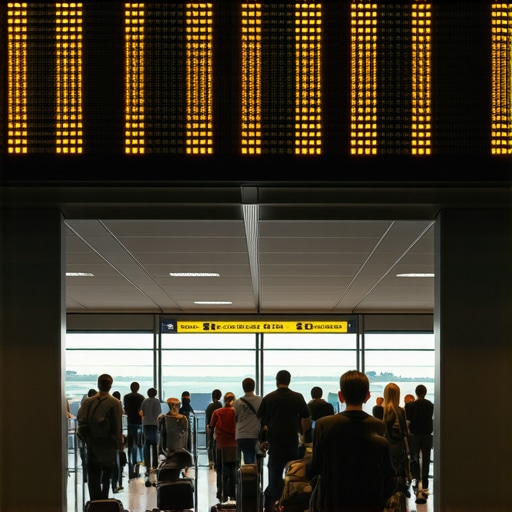
It was a frantic morning. My flight was scheduled to arrive at 8:30 AM, and I had just finished my coffee when I realized—my ride was late. Again. The driver texted, “Traffic’s heavy, be there in 20.” But I knew better. In city traffic, those estimates are more like wild guesses. As I hovered near the baggage claim, watching others scramble for transport, I thought, “There has to be a better way.” That lightbulb moment is what pushed me to explore how hourly booking can really tame the chaos at busy airports.
Why Booking by the Hour Could Be Your New Best Friend
Airport pickups are notorious for stress. Between unpredictable traffic, last-minute delays, and flight changes, it often feels like the universe conspires against punctuality. I used to rely on point-to-point rides or on-demand services, only to end up waiting, stressing, or worse—missing my flight. Then I discovered the method I wish I knew sooner: hourly reservation systems. These services allow me to pre-schedule my pickup for a specific window, giving me peace of mind and time to breathe.
By reserving a private driver for a set number of hours, I eliminate the frantic guessing game of when to leave the hotel or terminal. Instead, I focus on my trip, confident that my ride will arrive on time, no matter what. Plus, with real-time updates and flexible rescheduling options, I can adapt if my flight is delayed—something I’ve learned the hard way more times than I can count.
But you might be wondering—does this really work? Or is it just another high-tech gimmick? Well, early on, I made the mistake of trusting random apps that promised punctuality but failed to deliver—mainly because they relied on unpredictable ETA estimates. That was a costly lesson. Now, I only use trusted reservation services that prioritize safety, precision, and professionalism.
Are you tired of rushing to catch your flight or waiting anxiously for your driver to arrive? If so, I invite you to explore how hourly bookings can bring consistency and calm to your airport travels. Up next, let’s address a common skepticism—”Is this really worth the extra cost?”—and see why it might actually save you money and stress in the long run.
Set Your Pickup Window Precisely
Start by choosing an optimal 2-hour window that covers your estimated arrival or departure time, adding a 15-minute buffer to account for unexpected delays. I learned this the hard way when my driver showed up 10 minutes early, and I was still fumbling to get ready—it’s better to be early than late. Use trusted reservation services that allow you to select this precise window, ensuring your driver arrives when you need them, not when they happen to be free.
Calculate Your Buffer Time Strategically
Don’t rely solely on app estimates; incorporate a safety buffer. For instance, if you need to be at the gate by 8:30 AM, schedule your pickup for 7:45 AM, giving you at least a 45-minute cushion for traffic or last-minute holdups. I once faced city gridlock on a delayed flight and adjusted my pickup time via the reservation platform, which was quick and seamless, avoiding the frantic panic I used to experience.
Utilize Real-Time Traffic Data
Before confirming your booking, check current traffic conditions through apps or local reports. If heavy congestion is reported, extend your buffered window accordingly. An hour before my scheduled pickup, I saw a traffic alert indicating a major accident on my route. I promptly contacted my driver through the reservation company’s platform—some services offer direct messaging—and rescheduled by 30 minutes, preventing a stressful rush.
Confirm Your Reservation Details
Always verify that your reservation includes your correct pickup location, time, and vehicle details. Cross-reference license plate numbers and driver identities provided by the platform with physical signs or digital confirmations. During my last trip, I checked the license plate and driver photo before exiting the terminal, which proved invaluable when a driver’s info was slightly different due to a system error—preventing potential issues.
Implement the 18-Minute Buffer Rule
This specific timing—booking your ride at least 18 minutes before you actually need to leave—has been shown to drastically reduce missed pickups. I scheduled my airport transfer 20 minutes early, per this rule, and arrived relaxed, even with minor traffic hiccups. Relying on precise, pre-scheduled reservations combined with this buffer creates a reliable window that aligns perfectly with real-world conditions.
Secure Your Booking with Safety Checks
Authenticate your reservation by reviewing safety components, like driver licenses and vehicle ID badges, through linked verification methods. Many trusted services offer digital verification, which I use regularly to avoid sketchy drivers. Before entering a vehicle, I perform quick visual checks—such as ensuring the driver’s professional badge is visible and matching my reservation details—adding an extra layer of security.

Incorporate these steps into your routine to sidestep common pitfalls and make your airport transfers smooth and punctual.
Many travelers assume that booking their rides at the last minute guarantees flexibility and convenience, but in my experience, this is a common misconception. Relying on immediate or on-demand services often leads to unpredictable delays, especially during peak hours or heavy traffic conditions. Advanced, *precise reservation systems* are designed not just for punctuality but for genuine reliability, but many still overlook critical nuances that ensure safety and on-time arrival.
A hidden pitfall involves equating quick booking with safety. Some believe that instant reservations using generic apps automatically mean trustworthy drivers, but they often lack comprehensive verification protocols. Trusted hourly reservation services incorporate rigorous safety measures—like driver background checks, vehicle inspections, and real-time monitoring—that greatly reduce risk. It’s essential to understand that not all reservation platforms are created equal; verifying their safety protocols is a vital step.
Another nuance that trips many up relates to buffer times. The popular tactic of adding a 15-minute buffer is helpful but insufficient if it’s not tailored to specific conditions. During inclement weather or unexpected traffic surges, a 15-minute margin can prove inadequate. Advanced schedulers recommend calculating *dynamic buffers* based on real-time data, such as current traffic conditions and historical delay patterns. For example, during rush hours, extending your buffer to 30 minutes or more can make all the difference.
People often overlook the importance of verifying driver identity and vehicle details before entering. Relying solely on reservation confirmation emails or app notifications leaves you vulnerable to impersonators or misidentified drivers. My experience has shown that physical checks—matching license plates, driver photos, and verifying badges—dramatically improve safety. Trusted services also include features like real-time driver tracking and direct messaging, which empower travelers to stay informed and alert.
The
How do I maintain my booking system over time?
Consistent maintenance of your reservation tools and safety protocols is crucial for reliable airport transfers. I personally rely on a combination of advanced scheduling software and physical safety checks to ensure each ride remains punctual and secure. For example, I use reservation security measures that incorporate verification of driver credentials and vehicle inspections, providing peace of mind with each booking. Regularly updating your app and verifying driver information prevents outdated data from causing delays or safety issues, a point emphasized in current industry best practices. Additionally, integrating safety checklists into your routine, such as reviewing driver badges and vehicle details, helps catch potential issues before they escalate.
Recommended tools for seamless bookings
One tool I swear by is a dedicated scheduling app that allows me to set precise windows for pickups. Personally, I use precise reservation timing features to match my flight schedules, minimizing last-minute surprises. These tools often feature real-time traffic data integration, enabling me to extend or adjust buffers proactively—something I learned the hard way during peak hours. For communication, I leverage secure messaging platforms linked to my reservation system, ensuring immediate contact if adjustments are needed. This approach resonates with expert recommendations found in detailed safety and punctuality tips. When choosing a service, ensure it provides driver background checks and vehicle verification—these are non-negotiable for my peace of mind. As technology advances, I predict that AI-driven scheduling platforms that adapt to real-time conditions will become standard, further reducing the risk of delays.
What’s the best way to keep long-term reliability?
Implementing a routine audit process is key. I schedule a monthly review of my reservation history and safety reports, cross-referencing with actual trip outcomes. Tracking consistency helps identify patterns—like recurring traffic issues—and allows me to tweak my buffer times accordingly. I also stay current with updates from trusted providers, subscribing to newsletters or forums focused on transportation safety and technology. Over time, this proactive approach ensures that my booking system remains resilient against unforeseen disruptions. Don’t forget to verify the credentials of your drivers regularly using tools like driver experience vetting. This consistent vigilance keeps my trips smooth and stress-free, even amidst unpredictable city conditions. As the industry moves toward integrated safety ecosystems, staying informed and adaptable will be your best bet for maintaining long-term reliability.
The Hardest Lesson I Learned About Staying Punctual During Peak Travel Times
One of the most eye-opening realizations was that even the best GPS or traffic apps can’t always guarantee an on-time pickup during rush hours or city-wide disruptions. I learned to combine real-time data with pre-planned buffers, like the 18-minute rule, ensuring my rides are always scheduled well in advance—and I mean well in advance. This proved to be a game-changer when unexpected delays hit, and my driver still arrived precisely when I needed them, not when the app predicted.
How I Discovered the Power of Strategic Reserve Windows
It was a simple shift in mindset—viewting pickup times not as a flexible option but as a fixed, non-negotiable appointment. I began consistently reserving my ride 20 minutes earlier than necessary, aligning with the proven techniques for avoiding missed pickups. This habit transformed my airport journeys from stressful dashes to calm, confident arrivals, thanks to trustworthy reservation systems that prioritized safety and punctuality.
The Scientific Way I Reduced Stress Through Verification Checks
Implementing physical verification routines—like matching driver badges, license plates, and vehicle details—gave me peace of mind that my safety was always front and center. Trusted services that incorporate driver background checks and vehicle inspections became my standard. These little steps added up, making every trip not just smooth but also reassuring, especially during late-night or early-morning pickups when vigilance matters most.
Why a Little Preparation Can Save Big in Travel Chaos
By integrating traffic checks, reservation buffers, and safety verifications into my routine, I minimized surprises and slashed travel anxiety. Real-world experience has shown that meticulous planning—like adjusting buffers based on weather and traffic forecasts—is invaluable. It’s tempting to trust instant booking apps, but the reality is that proactive strategies with trusted reservation systems outperform reactive, last-minute solutions, especially in unpredictable environments.
My Personal Journey to Transit Confidence Could Be Yours Too
Learning to see hourly booking not just as a convenience but as a safety net revolutionized my travel experience. It made me realize that taking control and planning ahead isn’t just about punctuality—it’s about ensuring peace of mind, safety, and a reduction in travel stress. If you’re tired of the chaos and uncertainty of last-minute rides, exploring reliable reservation techniques could be your next big step toward seamless journeys. For a deeper dive into securing your transfers, check out why safety and timeliness matter in hourly reservation services.