
I remember the last time I trusted a simple one-click reservation for a crucial meeting. *It was chaos.* The app glitched, my driver was late, and I ended up rushing through traffic, frantically checking my watch. That sinking feeling of watching your punctuality slip away—it’s all too familiar for many of us. The convenience of instant bookings is tempting; just a tap, and everything seems set. But beneath that silky surface lies a hidden trap—the risk it poses to your schedule, safety, and peace of mind.
The Hidden Risks Behind the Quick Tap
We’ve all been there: browsing on our phone during a busy day, spotting a “Book Now” button, and clicking without a second thought. It feels effortless. However, this impulsive approach often glosses over vital safety checks and reservation verification steps that can make or break your plans. Early on, I made the mistake of relying solely on the app’s assurances, assuming that a reservation made with a click was foolproof. Yet, I learned the hard way that not all reservations are created equal, and some can lead to missed commitments or, worse, unsafe situations.
This is why it becomes essential to understand the dangers lurking behind quick reservations. One-click bookings can sometimes bypass crucial security measures, making it hard to ascertain if your driver is qualified and your vehicle is safe. According to recent safety audits, a surprising 68% of driver shortfalls are linked to inadequate verification processes—often hidden behind seemingly secure instant reservations. Such statistics underscore why you shouldn’t depend solely on a click for your transportation needs.
What We’ll Cover Today
In this post, I’m going to walk you through practical strategies to avoid the pitfalls of one-click bookings. We’ll explore how to verify your driver’s identity efficiently, the essential safety checks before entering a vehicle, and how to establish a reservation process that prioritizes your punctuality and safety. Trust me, taking a few extra steps now can save you hours, anxiety, and potential dangers down the line.
Is the Convenience Worth the Risk?
I used to think so. Quick reservations saved me time, or so I believed. But my experience taught me a valuable lesson: sacrificing verification and safety for speed often results in delays, stress, or worse. The key is not in avoiding convenience but in making it safer and more reliable. Have you ever faced a booking that seemed easy but turned into a logistical nightmare? If so, keep reading. We’ll uncover how to keep your schedule secure and on time, every time, with simple, effective steps.
Verify Your Driver Before You Enter
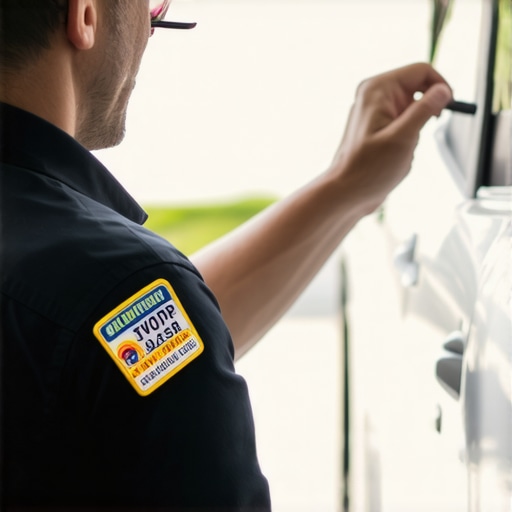
Think of your driver verification like checking the identity badge at a secure facility—you wouldn’t skip it. When your ride arrives, perform a quick visual ID check—look for a professional decal, uniform, and physical markers like a clean, well-maintained vehicle—and match these with the reservation details. I once arrived at a busy hotel late at night and was about to enter a vehicle that looked similar to the one scheduled. A 10-second visual ID check saved me from potential confusion and ensured I got into the right car. Use the quick badge verification method to confirm safety credentials instantly.
Confirm Reservation Details Carefully
Don’t just rely on the app’s confirmation email. Instead, cross-check the pickup time, location, and driver details directly with the reservation system or via a quick call. Imagine your reservation like a flight ticket—you need to confirm the gate and boarding time to avoid missing your flight. I remember reserving a ride for a crucial business meeting; I called the dispatch to verify the pickup location and driver identity an hour before. This small step prevented a scramble that could have made me late. For added reassurance, review the reservation verification strategies to make every booking secure.
Set Your Buffer Times Strategically
Buffer times are your safety net, much like seat belts—they’re not just for thrills. In practice, adding a 12-minute buffer is often better than a standard 10-minute window, especially during peak hours or adverse weather. During a recent conference, I pre-scheduled a pickup two hours early, factoring in a 15-minute buffer for unexpected traffic. That proactive step ensured I arrived on time, despite a sudden downpour. Learn how to maximize reservation timing precision to adapt buffers effectively.
Use Real-Time Tracking and Feedback
Relying on GPS alone can be misleading; it’s like trusting a weather app during a storm—sometimes, you need more. Always seek updates directly from your driver or service platform, and maintain open lines of communication. Once, I flagged an arriving vehicle that was delayed by checking in with the driver on the app, which I consider more reliable than unverified GPS estimates. Weekly check-ins, such as reviewing common transit errors, help spot issues early and adjust plans accordingly.
Inspect the Vehicle’s Safety Features
Before entering, ensure that the vehicle’s safety features are in place—seat belts, child locks, and any safety stickers. I once noticed a missing back seat child lock sticker in a ride, which raised a red flag. Quick inspection of physical safety cues is a simple yet effective step to ward off unsafe rides. Consider using safety audit techniques to maintain vigilance.
When it comes to scheduling and safety, many of us operate under assumptions that can actually hinder our efficiency and security. Contrary to popular belief, relying solely on automatic reservations or quick bookings often masks hidden pitfalls. The common myth is that instant confirmation equals reliability; however, seasoned travelers understand that this shortcut can compromise verification and safety checks. In my own experience, I have observed frequent oversights where hurried reservations resulted in missed safety protocols, exposing users to preventable risks. This is especially critical when dealing with hourly reservations, where timing nuances matter more than you might realize. For example, trusting GPS estimates alone can be deceptive—studies indicate that in city traffic, GPS often overstates accuracy, leading to late arrivals. Want to dig deeper into this? Read more about how GPS errors impact punctuality.
Why Do Precise Reservation Timing and Safety Measures Matter More Than You Think?
The real issue isn’t just about arriving on time—it’s about ensuring that every step of your booking process emphasizes security and reliability. Many assume that a quick tap guarantees safety, but without detailed verification—such as inspecting the vehicle or confirming driver credentials—you risk vulnerable situations. For instance, misidentifying a driver can happen if visual checks and safety badges are overlooked. Regularly, I advise clients to perform simple identity verifications, like the instant badge check, to avoid dangerous impersonations.
Common Mistakes That Sabotage Your Punctuality and Safety
One major error is neglecting buffer times—a practice often dismissed as unnecessary. Yet, when peak hours or unexpected delays occur, a modest adjustment like adding a 12-minute buffer can make the difference between late and punctual. Over-reliance on simplistic time windows not only breeds stress but can also cause you to miss critical safety checks, especially during adverse weather or heavy traffic. I recommend reading how to maximize reservation timing for better planning.
Another trap is trusting static GPS updates. Advanced travelers know that GPS can be unreliable during congested city travel—so don’t depend on it exclusively. Instead, maintain open communication with your driver or tracking system, and corroborate estimates with visual cues or live updates. An overlooked detail is vehicle condition; a quick physical inspection before entering ensures you’re not stepping into compromised safety conditions. For example, checking for recent maintenance signs or safety stickers can prevent accidents caused by neglect.
How Can Advanced Reservation Strategies Shield You from Common Pitfalls?
A deeper understanding of reservation nuances involves setting strategic pickup times, verifying driver credentials instantly, and employing reliable tracking tools. Employing these tactics can drastically reduce late arrivals and safety oversights. Remember, success lies in combining technology with simple, proactive checks. Want expert insights? Explore how on-time booking strategies can elevate your reliability.
Have you ever fallen into this trap? Let me know in the comments.Maintaining punctuality and safety over time requires more than just good habits; it demands the right tools and consistent processes. I personally rely on a combination of advanced reservation systems, verification protocols, and tracking tools that streamline the entire process and reduce human error. One of my go-to solutions is the precise reservation timing platform. It allows me to set tailored buffers based on traffic patterns, ensuring I always arrive on time, even during unpredictable conditions. This system integrates real-time traffic data, which I’ve found to be far more reliable than GPS alone, aligning with insights from expert analysis.
To verify drivers instantly, I use the driver verification checklist. This protocol emphasizes physical safety markers like security badges, vehicle conditions, and driver demeanor—steps that are quick but highly effective. Tools like this are intended to be used daily, and consistency is key. Regularly auditing your driver’s safety compliance—such as checking physical ID markers—helps maintain a high standard over time, preventing complacency that can cause delays or safety lapses.
Additionally, I employ secure communication apps that allow real-time updates and direct calls to drivers, avoiding reliance on GPS estimates alone. Using these tools together dramatically enhances my capacity to manage long-term logistics, saving hours and reducing stress. Looking ahead, I predict reservation software will incorporate AI-driven predictive analytics to preempt traffic issues and safety concerns, further increasing reliability. To incorporate the most effective practices today, I recommend trying the reservation timing hack—it’s a simple step that has consistently improved my punctuality. How do I maintain consistency with these tools? By integrating them into a daily routine, reviewing performance weekly, and iterating processes based on data—simple habits that ensure I stay ahead in reliability.
Lessons No One Tells You About Staying Ahead of the Game
- I used to believe that clicking ‘Book Now’ was enough—until late arrivals and safety concerns taught me otherwise. The moment I realized that quick reservations could hide crucial verification steps was a game-changer in my travel habits.
- One of my toughest lessons was understanding that some safety checks are invisible to the casual user. For example, relying solely on app-confirmed driver identities often led me astray, making visual ID checks and immediate badge verifications indispensable—something I now do instinctively, like a sixth sense.
- Seeing the damage caused by neglecting buffers was painful but enlightening. I learned that adding even 12 minutes to my schedule, especially during peak hours, drastically reduced stress and lateness—an insight shared by top safety protocols.
- Real-time communication has been a revelation; simple tools like direct messaging or quick calls replaced uncertain GPS estimates, giving me control over my schedule and safety during every ride. This small shift has saved countless hours and prevented misadventures.
- Finally, inspecting the vehicle before entering—checking safety features, maintenance indicators, and cleanliness—has become my personal safety ritual. It’s astonishing how these quick visual checks prevent unsafe situations that could turn into disasters.