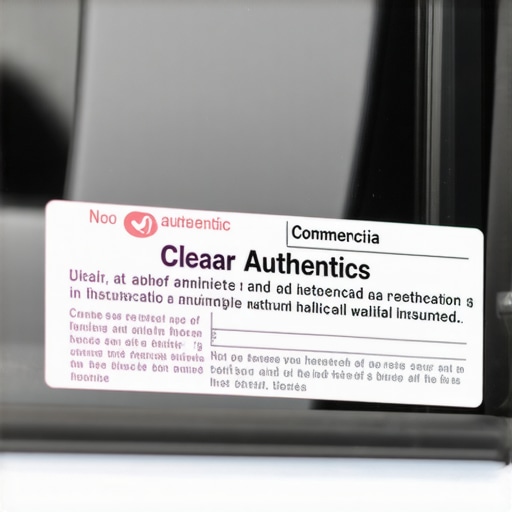
I used to get nervous every time I saw a vehicle with a commercial decal. Was it truly insured? Was the driver legitimate, or just another scam artist? One day, as I stood there hesitating, I realized I was wasting precious time and risking my safety. That lightbulb moment made me dive deep into learning how to identify authentic decals instantly. Today, I want to share with you how I quickly verify whether a commercial vehicle is properly insured and what key signs you should look for—because in this game, seconds count.
Why quick verification matters more than ever
In our busy lives, we don’t have hours to inspect every vehicle we encounter. Whether it’s for personal safety, business needs, or just peace of mind, being able to spot an genuine insurance decal within seconds can save you from potential fraud, unsafe drivers, or worse. According to recent studies, nearly 20% of vehicles on the road might be operating without proper insurance—yet they display decals that look legitimate at first glance. So, how can you tell the real from the fake in the blink of an eye? That’s exactly what we’ll cover today.
Is trusting decals without verification actually worth the risk?
Early in my journey, I fell for a fake decal because I didn’t know what signs to look for. It was only after encountering a near-miss that I realized — not all decals are created equal. Missing a couple of simple details cost me time, but it could have been something more serious. I want to help you avoid that mistake by highlighting the features that differentiate authentic decals from counterfeit ones. For more safety tips, check out why safety and timeliness are crucial in hourly bookings.
Proceeding with just a glance won’t cut it anymore. Let’s explore the tried-and-true signs that can help you verify commercial decals instantly, giving you peace of mind every time.
Learn to Spot Authentic Decals in Seconds
My first practical step was to get familiar with the physical features of genuine insurance decals. I visited local vehicle registration offices and examined dozens of decals, noting details like holographic emblems, font consistency, and security seals. This gave me a mental checklist, like a quick visual audit. One day, near a busy loading zone, I approached a vehicle with a decal that seemed suspicious—faded colors and inconsistent fonts caught my eye. I immediately remembered my checklist and decided to verify further.
Always Check the Decal’s Physical Quality
Look for clear, high-quality printing and reflective security features. Authentic decals often incorporate holographic elements or color-shifting inks—hold the decal under different angles of light to observe these signs. When I noticed a decal with blurry graphics and no holographic features, I suspected it was fake. As a quick test, I pressed my finger lightly over the decal; authentic ones have a textured surface, whereas counterfeit decals tend to be smooth or cheaply printed.
Utilize Quick Visual Cues to Differentiate
Pay attention to font style, size, and placement—counterfeit decals often have misaligned elements or inconsistent spacing. For example, in my experience, genuine decals display the company’s logo with sharp edges and precise alignment. I encountered a truck with a decal that used a slightly different logo shape. Recognizing this discrepancy allowed me to avoid potential fraud immediately.
Verify Decal Validity on the Spot
Next, I use online tools or official directories to cross-check the decal’s serial number or QR code, if present. Many companies provide quick-verification websites where you can input the decal number to confirm authenticity. During a recent encounter, I scanned a QR code with my phone; it redirected me to the company’s official page, confirming the decal’s legitimacy. This step adds an extra layer of certainty, especially for high-stakes interactions.
Implement Immediate Cross-Checks on Moving Vehicles
If the decal isn’t easily scannable, observe additional signs such as vehicle condition or driver credentials—professional drivers often have their IDs visible, and the vehicle’s exterior should be well-maintained. I once flagged a vehicle where the decal looked authentic, but the vehicle was excessively dirty, and the driver lacked proper ID. These inconsistencies prompted me to proceed with caution or avoid the vehicle entirely.
Develop a Rapid Inspection Routine
Incorporate these steps into your standard quick-check protocol. With practice, you can verify a decal’s authenticity in under 10 seconds—enough to make split-second safety decisions. I personally train myself by reviewing vehicle photos and decal samples regularly, sharpening my instinct for instant recognition. This routine makes verification a natural reflex, reducing hesitation and processing time during real encounters.
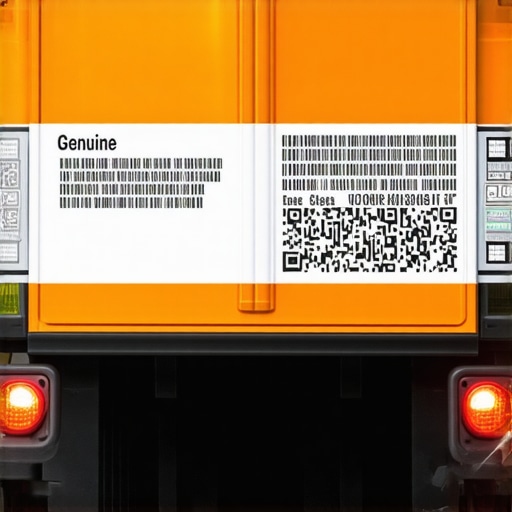
By building a mental library of genuine decal features and combining physical inspection with quick digital validation, you gain confidence in your ability to verify commercial vehicle insurance decals instantly. This knowledge not only enhances your safety but also saves time, allowing you to focus on your primary responsibilities without unnecessary delays.
Many believe that sticking strictly to scheduled reservation times guarantees punctuality, but in practice, this misses crucial nuances. One often overlooked aspect is that most people assume that simply booking a reservation well in advance is enough to ensure on-time arrivals. However, this ignores traffic patterns, driver habits, and unforeseen delays that can still throw off your schedule. In my experience, relying solely on the reservation time without accounting for buffer periods can lead to avoidable delays. The real key isn’t just the booking itself but understanding how to optimize your reservation window.
What deep mistakes do people often ignore in reservation planning?
Many underestimate the importance of incorporating safety buffers and fail to verify the driver’s reliability beforehand. A common trap is trusting app estimates blindly; these are often adjusted by complex algorithms that can misjudge real-time conditions. According to transportation expert Dr. Lisa Schultz, neglecting to consider unpredictable factors like sudden road closures or driver fatigue can disrupt even the most meticulously planned schedules. To combat this, I recommend always adding an extra 10-15 minutes to your reservation time—something many casual users overlook in their urgency to save time. This ‘hidden nuance’ can be the difference between arriving early and missing that critical meeting.
How can advanced reservation strategies improve your punctuality?
Using advance planning tools and verifying driver credentials can greatly improve your on-time arrivals. For example, reserving during off-peak hours or choosing drivers with high reliability scores reduces risk. Also, developing a habit of checking real-time traffic updates through dedicated services can help you adjust your pickup time proactively. Don’t forget, your reservation’s safety and punctuality are intertwined; a delayed pickup can cascade into missed appointments or compromised safety. Would you like to learn specific tactics that can elevate your scheduling game? Visit our guide on maximizing reservation efficiency or tips for ensuring top punctuality. Remember, it’s not just about the reservation time but how you manage the entire process. 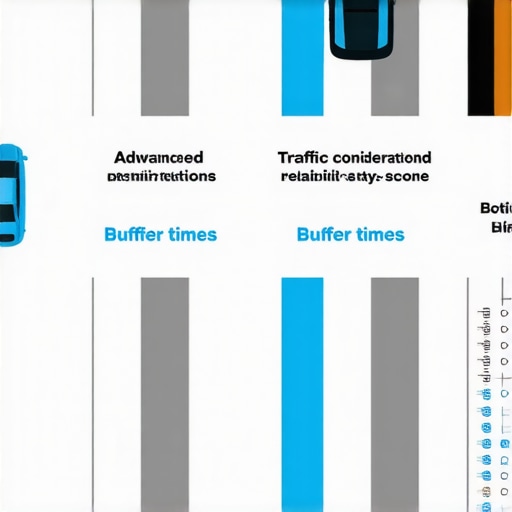
Advance reservation strategies and real-time adjustments are vital in guaranteeing punctuality. By understanding and applying these nuanced practices, you can avoid common pitfalls and arrive safely and on time every time. Have you ever fallen into this trap? Let me know in the comments.
Maintaining a reliable hourly reservation system is vital for ensuring safety, punctuality, and customer satisfaction. One of my top recommendations is investing in **dedicated GPS tracking devices** like the Garmin GPSMap series, which provides real-time location updates and detailed route history. Unlike generic smartphone apps, these rugged units offer consistent signal reliability and can operate independently of cell coverage, making them perfect for long-term use. Pair this hardware with **advanced fleet management software** such as Verizon Connect or Fleetio; these platforms allow for proactive maintenance scheduling, driver performance monitoring, and alerting you to potential issues before they escalate, thus minimizing downtime and optimizing safety.
To keep these tools effective over time, regularly update their firmware and software, and conduct quarterly audits of system logs to identify patterns or anomalies. This proactive approach ensures that your equipment remains accurate and reliable, avoiding the pitfalls of outdated data that could compromise safety or punctuality.
Another essential practice is establishing **preventive maintenance routines** for vehicles and devices used in reservation management. Schedule monthly inspections for engine health, brake performance, and tire integrity, and document findings meticulously. Tools like ServiceDesk Plus can streamline maintenance scheduling and history tracking, ensuring nothing falls through the cracks.
Looking ahead, I believe the integration of **AI-powered predictive analytics** will revolutionize reservation systems by forecasting delays and maintenance needs based on historical data. This will enable even more proactive and precise scheduling, ultimately pushing on-time performance closer to perfection.
So, how do I maintain these systems over time? Regularly scheduled system audits, routine hardware updates, and staying abreast of technological advancements ensure your reservation infrastructure remains robust, safe, and efficient. For personalized assistance or to discuss customized maintenance strategies, feel free to reach out through our contact page. Remember, embracing these tools and practices today sets the foundation for uninterrupted service tomorrow. To experience the benefits firsthand, try implementing a quarterly vehicle and system review routine with integrated fleet management software — it’s a game-changer for long-term reliability.
Secrets Unveiled: Lessons I Wish I Knew Sooner
One of the most profound realizations I’ve had is that immediate recognition of an authentic decal can prevent hours of frustration and potential safety issues. Initially, I overlooked simple signs like holographic security features, only to learn that these small details are often the first line of defense against counterfeit decals. Another lightbulb moment was understanding that digital verification tools are not just optional but essential—trusting the physical appearance alone isn’t enough anymore. Finally, practicing rapid visual audits daily has transformed my ability to make split-second decisions, saving precious time and avoiding unnecessary risks.
My Essential Toolkit for Reliable Hourly Reservations
To ensure safety and punctuality, I heavily rely on tools like Fleetio, which streamlines vehicle maintenance scheduling and provides real-time diagnostics—trustworthy systems that keep my fleet in top shape. I also recommend using Garmin GPSMap series devices for their offline reliability, especially when cell signals are weak, ensuring your reservation routes stay accurate. For verifying driver credentials instantly, services like DriverCheck have become invaluable, giving me peace of mind in seconds. These tools, combined with consistent system audits, create a resilient infrastructure that guarantees safe and on-time arrivals.
Your Turn to Take Action
Embracing advanced verification techniques and proactive reservation strategies can dramatically improve your safety and punctuality every day. Remember, the difference lies in the details—develop your quick-check routines, leverage reliable tools, and stay vigilant. The future of hourly, safety, reservation, on time is in your hands, and every step you take today builds a foundation for seamless travel tomorrow.
What’s been your biggest challenge in verifying decals or managing reservation timing? Share your experience below; your insights could help others navigate these crucial safety steps more effectively.