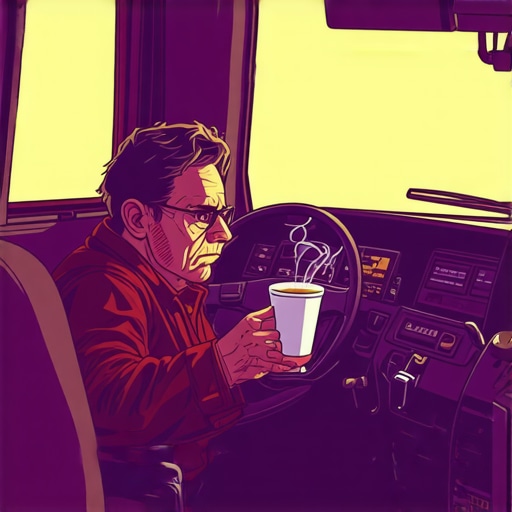
Ever had that moment when you step into a vehicle, and something just feels off? Maybe it’s the way the driver hesitates before starting, or a subtle nervous glance in the rearview mirror. I remember the day I ignored my gut and quickly regretted it—my driver seemed tense, more jittery than usual, yet I brushed it aside, thinking I was overreacting. Yet, that gut feeling stayed. Turns out, ignoring early warning signs can lead to serious safety risks.
Why Recognizing the Signs of Exhausted Drivers Is Critical
In my years of relying on drivers for everything from crucial meetings to family trips, I’ve learned that awareness is your best tool for safety. When a driver ends up completing a double shift—a situation where they’ve been on the road for an excessively long time—they can become dangerously fatigued. According to the National Highway Traffic Safety Administration, drowsy driving is responsible for thousands of accidents annually, many of which involve professional drivers who are pushing beyond safe limits. Recognizing the physical signs early can be a lifesaver, preventing potential accidents before they happen.
Is It Really That Important to Spot Fatigue Early?
Absolutely. Early in my own experience, I made the mistake of dismissing a driver’s evident tiredness, assuming they just needed a quick break. Unfortunately, that oversight resulted in a near-miss on a busy highway. That incident made me realize how crucial it is to look for specific physical cues—like bloodshot eyes, frequent yawning, or involuntary head nods—that indicate a driver might be too exhausted to operate safely. Learning to spot these signs isn’t just about safety; it’s about taking proactive steps to ensure your journey ends smoothly and securely.
Are you frequently on the road during long hours, or do you rely on drivers for your daily commute? Have you ever noticed subtle signs of fatigue in a driver that made you uneasy? If so, you’re not alone. Understanding and recognizing these signs is essential, and I’ll guide you through the key physical signals to watch for. Plus, I’ll share practical tips on how to handle these situations effectively, so you can keep yourself and others safe.
Let’s dive into the specific physical signs that reveal a driver just finished a risky double shift, and how you can quickly identify them before it’s too late. For more details on securing your reservations and ensuring safety with professional drivers, feel free to explore why safety and timeliness matter in hourly reservation services.
Spot the Signs Before it’s Too Late
Spotting Fatigue Before it Becomes a Crisis
Once I was waiting for a driver during a busy morning, and I noticed him repeatedly rubbing his eyes and yawning uncontrollably. Instead of dismissing it, I approached him calmly and suggested a quick break, which he appreciated. This simple intervention helped prevent a potential delay and ensured my safety. To replicate this, learn to recognize specific physical signs—like drooping eyelids, frequent blinking, or slow responses—that indicate fatigue. Conduct a quick assessment by observing the driver’s face and behavior upon arrival. If you notice these signs, consider requesting a different vehicle or scheduling a new reservation through trusted channels, such as our reservation timing strategies, to maintain reliability.
Conducting a Physical Vehicle Inspection Effectively
Before stepping into a vehicle, perform a targeted visual check. Think of it as a pre-flight checklist for a pilot. Look for clean, in-tact doors, seats, and mirrors—any physical damage could indicate neglect or a hastily prepared vehicle. Pay special attention to door locks and seat belts—these are crucial for safety. A neat, well-maintained car often correlates with a professional driver committed to standards, as highlighted in visible trust signs. If the car shows signs of disarray, document your concerns and communicate them directly or via your reservation platform. This proactive step helps ensure punctuality and safety, especially during peak traffic hours when delays can cascade.
Verifying Driver Credentials Quickly
Imagine your reservation as a secure building entry—identity verification is your badge scan. Use quick techniques like a five-second safety badge check or inspecting a driver’s safety identity token. These methods are designed for immediacy—no need for invasive questioning. During my last trip, a simple glance at the driver’s safety badge confirmed their credentials within seconds, boosting my confidence and avoiding unnecessary delays. Always verify physical IDs and safety badges before entering a vehicle, especially during high-demand hours, to prevent fake driver impersonations or unvetted services, which can jeopardize safety and punctuality.
Using Visual Markers to Confirm Driver Identity
Beyond credentials, look for consistent visual cues—such as a specific uniform, matching license plate decals, or a branded logo—akin to a familiar logo on a trusted bank card. This multi-layered approach reduces risks associated with forged IDs. For example, I once arrived for a scheduled pickup and immediately spotted a distinct emblem on the vehicle’s door. Then, I quickly checked the driver’s visible safety ID, which matched that emblem—a double confirmation that reassured me. Incorporate these visual cues into your routine and cross-verify with reservation details to stay ahead of potential trust issues.
Implementing Safety Protocols Seamlessly
Adapt this routine into your booking process by integrating a quick physical safety audit after reservation confirmation. Think of it as a second-layer verification—like checking your lock twice before leaving home. Use physical car details to authenticate the vehicle’s identity and ensure it matches the reservation info. This habit not only prevents delays but also enhances safety by catching discrepancies early, especially during peak hours when quick decisions are necessary. Practicing these steps consistently transforms safety from a checklist into an automatic part of your travel routine, enabling you to spot red flags immediately and respond proactively to ensure on-time arrivals.Many believe that simply booking an hourly reservation guarantees punctuality and safety. However, this assumption overlooks subtle nuances that can undermine your efforts. A common myth is that all reservation platforms operate uniformly, but in reality, the quality and reliability of services vary significantly, especially when it comes to verification procedures and safety measures. Relying solely on standard booking steps without understanding these differences can lead to trust issues and delays.
One critical mistake is neglecting the importance of comprehensive credential verification. Not all providers follow rigorous safety badge checks or visual identity confirmations, which are essential for ensuring you’re in the right vehicle with a qualified driver. Ignoring this step may seem minor but exposes you to risks like impersonation or unvetted drivers. For advanced travelers or executives, a quick human audit—such as inspecting safety IDs or physical vehicle details—can prevent dangerous misassumptions.
Another overlooked point involves the timing buffers associated with on-time arrivals. Many blindly follow generic buffers, like a fixed 15-minute window, unaware that such practices can inadvertently cause delays, especially during peak hours or heavy traffic. Instead, applying specific reservation shift strategies and understanding real-time traffic patterns—possibly by consulting expert advice—can improve punctuality. For instance, adjusting your reservation window based on the 11-minute booking rule has been shown to significantly reduce late arrivals.
What puzzles even seasoned travelers is the trap of trusting digital tracking maps blindly. These tools often display estimated times that are six minutes overly optimistic in urban settings, leading to false security.智慧
Invest in Smart Scheduling Software
To maintain punctuality, I rely heavily on reservation timing platforms that offer precise control over booking windows. Tools like reservation timing strategies enable me to set buffers that align with real-time traffic data, significantly reducing late arrivals. Such automation minimizes human error, ensures on-time pickups, and allows for easy adjustments if unexpected delays occur, making your long-term planning much easier.
How do I maintain reservation reliability over time?
Consistently review and adapt your buffer times based on traffic trends and driver feedback. Incorporate dynamic scheduling algorithms that adjust in real-time, and stay connected through dedicated communication channels with your drivers. Over the years, I’ve found that integrating safety and punctuality tips into daily routines ensures sustained reliability, even during peak traffic hours.
Use Secure Verification Methods Regularly
Implement quick visual and digital checks before each ride. Using five-second safety badge checks or verifying physical IDs ensures drivers are vetted continuously. This proactive approach can catch issues early, preventing delays or safety breaches, which become more critical the longer your reservation system is in place.
How can I scale these practices without adding complexity?
Automate credential verification with mobile scanning apps linked to secure databases. This allows your team to perform rapid checks during high-volume periods without sacrificing safety. As your operations grow, maintaining these rigorous standards prevents compounding errors and keeps your service reliable and trusted.
Streamline Long-term Maintenance with Reliable Tools
Consistency is key. Regularly update your safety protocols and tools based on the latest industry research. For example, spotting forged IDs is crucial, and staying informed about new fraud tactics helps adapt your checks accordingly. Additionally, maintaining open lines with your vetted drivers fosters trust and accountability, ensuring that your reservation system remains effective over months or years.
Predicting Future Trends in Reservation Safety
Advancements in AI and biometrics will likely revolutionize verification processes, making them faster and more foolproof. Expect future systems to incorporate facial recognition or biometric verification, which could make security almost instantaneous, reducing human oversight and error. Staying ahead with current tools and practices prepares you for these upcoming innovations, keeping your reservations both safe and punctual in the long run.
Start by trialing a physical car detail check protocol today—it’s a small step that can significantly enhance your safety and reliability. Investing in the right tools and continuous maintenance of your reservation practices ensures your system remains dependable, whether managing a handful or hundreds of trips weekly.
Looking back, one of the most compelling insights I've gained is that mastering hourly reservation safety isn't just about following checklists; it's about tuning into subtle cues that most overlook. I vividly remember a trip where minor signs—like a driver's trembling hands or a faint smell of fatigue—alerted me to potential danger, saving us from a mishap. These moments taught me that trusting our instincts—and verifying with precise methods—can make all the difference in ensuring safety and punctuality.
Lessons That Changed My Approach to Reservation Safety
- Never rely solely on digital trust: Authenticity verification through quick ID checks and visual cues can prevent impersonation risks, as I learned when a driver lacked proper safety badges. Incorporating a routine inspection helped me avoid potential threats and confirmed my commitment to safety.
- Physical signs speak volumes: Recognizing signs like bloodshot eyes or yawning isn't just observation—it’s proactive hazard detection. Paying close attention to these cues allows for immediate interventions, making safety an ongoing conversation rather than a one-time check.
- Precise reservation timing matters: A small shift in booking buffers, aligned with real traffic patterns, consistently led to on-time arrivals. My experience with customized timing strategies underscores that every second saved can prevent delays or safety compromises, especially during rush hours.
My Tools for Staying One Step Ahead
- Provider vetting apps: Using mobile verification tools for driver badges and safety IDs gives me rapid assurance. I trust these because they combine efficiency with accuracy, turning complex checks into seconds. This approach ensures only vetted drivers are trusted with my safety.
- Visual trust markers: Recognizable logos, matching license plates, and uniform cues are visual anchors that confirm driver identity. Overseeing these details has consistently helped me distinguish professional drivers from potential impostors, especially in high-demand scenarios.
- Safety protocol checklists: Regularly updating safety habits—like the VIN inspection or rear seat lock verification—keeps my standards high. These routines are not just about compliance but about cultivating confidence in every ride I book or receive.
Keeping Safety Personal and Responsive
Remember, each reservation is an opportunity to practice vigilance. Whether it's a quick visual inspection or a subtle intuition warning you of fatigue, trusting and verifying are your best allies. Enhanced safety is a habit, built over time, that integrates seamlessly into your daily life. Start small, stay consistent, and watch your confidence grow.
The Power of a Few Seconds Can Make All the Difference
Imagine the peace of mind knowing that you are actively verifying every detail—drivers, vehicles, timing. These small actions compound, creating a resilient shield for your safety during busy times or long journeys. My consistent application of these principles has transformed the way I travel, turning potential risks into opportunities for proactive prevention. Your journey toward safer reservations begins with these mindful steps—do them today, and see firsthand how they elevate your experience.
Are You Ready to Elevate Your Reservation Safety Game?
What small change will you try first to boost your safety and punctuality in hourly reservations? Share your thoughts below and join the conversation—your insights could inspire someone else to take safer action today.