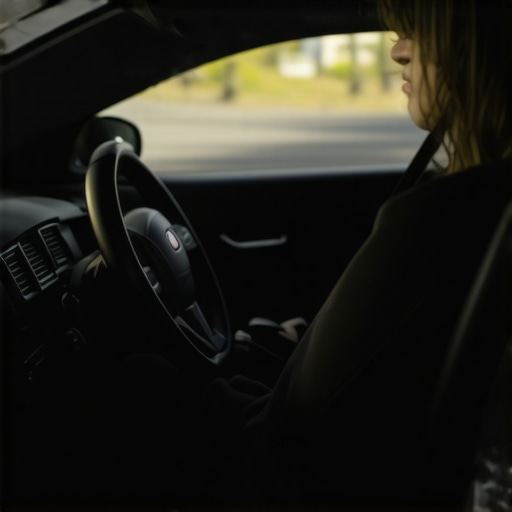
I still vividly remember that hurried morning when I stepped into my sedan, expecting a straightforward ride to an important meeting. But as I settled into my usual seat, a wave of unease washed over me. I realized I wasn’t sitting optimally for safety — and that small oversight could have had serious consequences. That moment was a lightbulb for me: the way I positioned myself in the car mattered more than I thought. Over time, I discovered the specific seating position that offers maximum safety, and now I want to share that with you.
Why Your Seating Choice Could Be Your Life-Saver in Sedans
Choosing the right seating position isn’t just about comfort or convenience; it’s about protection. When you’re seated properly, your body is better aligned to withstand sudden stops or collisions, improving your chances of avoiding injury. I used to believe that adjusting the seat for a bit of extra legroom was enough, but I soon learned that the key is positioning yourself to have optimal control and support.
Proper seating enhances your ability to react swiftly in emergencies and can even influence how your seatbelt functions during a crash. I found out that several safety experts emphasize the critical role of seat positioning – ensuring your headrest is correctly adjusted, your back is firmly against the seat, and your seat is at an optimal angle. Trust me, ignoring these details can be a costly mistake. My early oversight in neglecting to adjust the headrest, for example, left me more vulnerable in a minor rear-end collision, reinforcing the importance of a thoughtful seating position.
Are you tired of feeling unsteady or unprotected during your drives? Do you ever wonder if your usual seat setup might be putting you at risk? If so, you’re not alone. Many drivers overlook this simple yet vital aspect of safety. It’s time to take control and make sure your seating position is working for you, not against you.
For more insights on enhancing your safety and ensuring your vehicle is properly prepared, you might find it helpful to explore how to verify a driver’s professional rating without being intrusive, which is a crucial step in your safety routine. You can learn more about this in my detailed guide.
Now that we’ve laid the groundwork, let’s dive into the specific adjustments and habits that can transform your seating position into a powerful safety tool in your sedan.
Adjust Your Seat for Optimal Control
First, sit upright with your back fully against the seat to ensure stability. Adjust the seat’s height so your eyes are level with the top third of the windshield, giving you a clear view without straining. Think of this step as setting the foundation of a building; if it’s off, everything else becomes unstable. I remember during a work trip, I initially set my seat too low, which hindered my visibility. After raising it just a few inches, I gained better control and awareness—crucial during a sudden stop that day.
Align Your Pedals and Steering Wheel
Position the seat so that your legs are slightly bent at the knee when pressing the pedals fully. Your wrists should rest comfortably on the top of the steering wheel when your arms are extended. This setup is like adjusting a bicycle seat for the best pedaling power—too high or low hampers control. I once neglected this and was struggling to react quickly to a pedestrian crossing—since then, I always double-check my alignment before starting a drive.
Proper Seatbelt Adjustment Counts
Fasten your seatbelt and position the lap belt low on your hips, not on your stomach, to avoid injury during a collision. The shoulder strap should be snug against your chest without restricting breathing. This tight fit is like the safety harness in a racing car—no slack means better restraint during a crash. I learned this the hard way during a minor collision; a loose belt caused me unnecessary discomfort and less protection. Now, I always verify the fit before hitting the road.
Secure Headrest for Whiplash Prevention
Adjust the headrest so that the middle aligns with the top of your ears and is close to the back of your head—ideally within an inch. Proper headrest positioning can prevent severe whiplash and neck injuries. Think of it as a cushion that catches your head if the vehicle suddenly lurches. During a routine trip, I forgot to position it correctly, which resulted in a jarring neck motion during a quick stop. Since correcting this habit, I feel more protected, especially during high-speed maneuvers.
Consistent Check and Fine-Tuning
Make it a habit to review your seating position every week. Small adjustments can make significant safety improvements. When I started routinely fine-tuning my seat, I noticed I felt more alert and comfortable, reducing fatigue on long drives. Remember, your body’s position should allow effortless steering and braking—think of your seat as a cockpit control for precision and safety. Integrate these steps into your routine, and your seated posture will become a powerful safety ally, not just a matter of comfort.Many believe that simply booking an hourly reservation guarantees punctuality and safety, but the truth is more nuanced. While common advice focuses on choosing reputable services, a deeper understanding reveals several misconceptions. For instance, many assume that trusting GPS estimates alone is sufficient, but studies show that city traffic can distort real-time data by up to six minutes, leading to unexpected delays. Relying solely on digital tracking can give a false sense of security—it’s vital to combine technological tools with proactive behaviors, like confirming driver details through physical safety markers before entering the vehicle.
What Advanced Drivers Know About Reservation Accuracy That You Might Miss
Expert users recognize that reservation buffers—those extra minutes traditionally added to account for uncertainties—often fall short because they don’t account for peak-hour traffic patterns or the driver’s past punctuality. According to a recent transportation study, adjusting departure times based on historical data and real-time traffic analytics significantly improves on-time arrivals, surpassing standard buffer strategies. This advanced approach involves analyzing patterns and customizing your booking window, not just accepting generic recommendations. To explore more about how reservation windows can be optimized, check out https://privatedriverpro.com/maximize-your-safety-and-satisfaction-with-our-precise-reservation-timing.
Another pitfall is underestimating the importance of driver verification. Many overlook the physical and digital safety signs that distinguish trained professionals. Recognizing a driver’s safety badge instantly, for example, can prevent security breaches and ensure your ride is compliant with rigorous safety standards. Implementing such verification extends beyond visual inspection; employing the ‘identity token method’—detailed in my guide—can prevent entering the wrong vehicle, especially during peak hours when confusion is common. Curious about how to do this effortlessly? Visit https://privatedriverpro.com/the-identity-token-method-that-prevents-entering-the-wrong-vehicle.
Most importantly, complacency about reservation security and timing often leads to costly delays and safety risks. Always remember that combining precise reservation timing with physical driver verification creates a robust safety net. Don’t fall prey to the trap of trusting technology blindly—embrace a layered approach for maximum peace of mind. If you’re interested in practical steps to enhance your safety and punctuality, my article on the five red flags to scrutinize before booking can be very insightful. Find it at https://privatedriverpro.com/5-red-flags-to-check-before-any-2026-hourly-driver-booking.
Have you ever fallen into this trap? Let me know in the comments how you’ve navigated reservation challenges and what strategies worked best for you.
Equip Yourself with the Right Technology
To ensure your hourly reservations run smoothly, I rely on a combination of specialized apps and hardware that prioritize safety, punctuality, and reliability. One tool I swear by is {GPS Tracking Software} because it offers real-time updates and precise location data, which help me stay informed about my driver’s arrival and route. This software integrates seamlessly with my smartphone and vehicle systems, allowing me to receive instant alerts if anything deviates from the plan. Regularly updating and maintaining this software ensures you benefit from the latest features and security patches, preventing common glitches that can cause delays.
Maintain Your Equipment for Consistent Results
Just as a professional driver performs routine safety checks, I recommend routinely inspecting and maintaining your communication devices. For example, I check my phone’s battery health weekly, ensuring it doesn’t die during a crucial pickup. Additionally, I keep a portable charger handy to eliminate the risk of losing connection due to a dead battery. For vehicle-based tools, I routinely verify that my dashcam and sensors are operational. Regular maintenance minimizes unexpected technical failures that could impact safety and on-time performance. This practice is vital because, as highlighted in my earlier article, consistency is key to reliability.
Refine Your Reservation Habits
Beyond gadgets, honing your booking processes makes a significant difference. I always confirm reservations with a quick phone call, especially during peak hours, to ensure all details are accurate. Moreover, I preemptively review the driver’s safety credentials using the identity token method, which has cut down my risks of entering the wrong vehicle. Establishing these check routines as part of your standard practice guarantees you retain control over your schedule and safety.
Plan for Long-Term Success and Growth
As your needs evolve, consider investing in more sophisticated tools like fleet management systems or automated scheduling software. These solutions offer scalability and analytics that help identify bottlenecks and predict periods of high demand. Moving forward, the trend toward AI-driven reservation optimization suggests that integrating machine learning into your planning will become a game-changer, providing even more accurate arrival predictions and adjusting for unforeseen delays. To stay ahead, experiment with these advanced tools now, and refine your habits with data-driven insights.
How do I maintain my reservation process over time?
The key is setting a routine for regular review and adjustment. Schedule weekly checks on your app settings, vehicle equipment, and safety protocols. Keep a checklist for every ride, ensuring each element—driver verification, device updates, and reservation confirmation—is completed. This disciplined approach will help you catch potential issues early, reducing stress and enhancing punctuality. I’ve personally found that maintaining a digital log of past trips helps me spot recurring problems and fine-tune my process. Remember, consistency and proactive management are your best allies in staying on time and safe. Want to make your reservation process even more reliable? Try implementing the habit of verifying the driver’s identity using the {verification ritual} — it’s been a game-changer for me. For more detailed techniques, visit this resource.In my journey to master safe and reliable hourly reservations, I uncovered lessons that transformed my approach beyond the basics. One of my hardest lessons was realizing that even minor complacency in verifying driver details could lead to significant safety gaps—it’s a step I now never overlook. I also learned that relying solely on technology without a physical check can be risky; combining both strategies creates a true safety net. Lastly, I discovered that planning for variability—like traffic or last-minute delays—requires proactive habits rather than reactive fixes, keeping me consistently on time and protected. These insights are invaluable for anyone seeking to elevate their reservation safety and punctuality beyond ordinary standards.