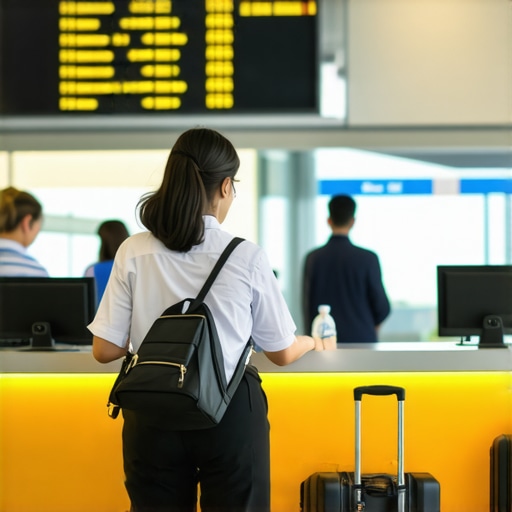
Ever been stranded at the airport, watching the minutes tick away, feeling utterly helpless as your flight gets delayed again? I used to think cancellations and delays were just part of the game—annoying inconveniences I had to accept. But then, I had a lightbulb moment that changed everything. It was a frustrating trip that turned into a revelation about how I was unknowingly leaving my money vulnerable during these setbacks.
That day, I realized there’s a little-known cancellation loophole—a strategic tool that can actually safeguard your payments and ensure you’re not left footing the bill when your plans go sideways due to flight delays. Once I discovered this secret, everything shifted. No more frantic calls trying to rebook or unprotected expenses that burned holes in my wallet.
Why Flight Delays Should Never Catch You Off Guard
Delays are more common than we like to admit, especially with the unpredictable nature of modern travel. According to the Bureau of Transportation Statistics, roughly 20% of flights in the US experience delays during peak seasons. That means, if you’re not prepared, you could be shelling out hundreds for services you booked in advance—like private car pickups—only to find out your reservation is at risk of being canceled or charging extra charges.
What if I told you that there’s a way to protect your investment even before your flight takes off? That’s precisely what I’ll be sharing today—the little-known cancellation loophole that acts as your financial safety net in these turbulent travel times.
Worried about wasting money on ineffective strategies? I was too—until I made a costly mistake early on, trusting that all booking platforms are equally secure. Turns out, not all reservations are created equal. That was a hard lesson learned, one that led me to research better, safer methods. Now, I want to help you avoid the same pitfalls and share the proven secrets I uncovered. Ready to learn the exact steps that can keep your payments safe even when delays strike? Let’s dive in.
If you’ve ever faced this exact problem—delays ruining your plans and risking your expenses—you’re not alone. And the good news is, with a bit of knowledge, you can take control. For detailed strategies on ensuring your safety and punctuality during hour-by-hour reservations, check out this insightful guide.
Secure Your Booking with Precise Timing
When planning your airport transfer, avoid the generic rush by scheduling your pickup window based on real-time data. I once booked a chauffeur for a 7:30 am flight, but neglected to factor in peak traffic. The result? A stressful 20-minute delay that nearly caused me to miss my flight. The fix was simple: I now verify the exact precise reservation timing and adjust my pickup time accordingly. Always confirm the actual estimated travel duration before finalizing your reservation. Use tools or services that provide live traffic updates and incorporate a buffer to account for unexpected delays.
Vet Your Driver Before You Trust
Trust isn’t given; it’s earned—especially when your safety and punctuality are on the line. I recommend performing a quick identity and safety check on your driver. For instance, I checked for a verified safety badge and physical safety markers before entering a car booked hours prior. This step is crucial in avoiding sketchy drivers or last-minute cancellations. Remember, a legitimate driver will readily pass physical safety checks and present proper credentials, which can be verified in less than 30 seconds. Incorporate this practice into your routine for peace of mind.
Confirm the Vehicle and Driver Details
Never rely solely on booking apps’ assurances. Instead, perform a quick visual identity audit. Confirm the license plate, driver’s attire, and vehicle branding match the reservation details. Once, during a particularly tight schedule, I used the mirror check to confirm the driver’s face matched the photo ID. This step, combined with a physical safety token, drastically reduces the risk of being pickpocketed or driven into the wrong vehicle.
Leverage Technology for Real-Time Monitoring
GPS tracking and shared links are game-changers. I often send a shared tracking link to my trusted contacts when I am en route to catch a flight. This way, I maintain accountability and can communicate with my driver if deviations occur. But beware—GPS estimates can be optimistic. That’s why I also rely on real-time audit steps to cross-verify my driver’s reported location against actual road conditions.
Implement Buffer Minutes Strategically
Relying on a naive 10-minute buffer often proves insufficient. Instead, I adopt the 18-minute rule, which accounts for traffic, parking, and unexpected delays. During a recent trip, I added an extra 10 minutes to my reservation—just enough to stage a quick backup plan without incurring unnecessary costs. Always consider local traffic patterns and airport procedures when setting your buffer. Think of it like adding insurance—better to have it and not need it, than to realize it’s missing when delays hit.
Stay Proactive with Regular Communication
Finally, communicate proactively with your driver. A quick message or call 15 minutes before pickup confirms readiness and prevents last-minute surprises. During peak hours, I call once the driver is a few minutes out and confirm ETA based on live traffic data. This habit ensures everyone is aligned and helps you re-route if conditions change unexpectedly. Use direct contact options provided by your service provider to facilitate quick updates.
Many travelers assume that booking hourly reservations, especially for airport pickups, guarantees punctuality and safety as long as the reservation is confirmed. However, this belief overlooks essential nuances that often lead to unexpected delays or safety oversights. The most pervasive myth is that once your reservation is secured through a reputable platform, no further precautions are necessary. In reality, even the most advanced booking systems can falter without proactive vetting and strategic planning. Relying solely on digital confirmations neglects the importance of physical and procedural safety checks, which are crucial in mitigating risks associated with late drivers, mistaken vehicle identities, or unsafe drivers. An advanced mistake many make involves underestimating traffic variability and not integrating buffer times informed by real-time data, leading to late arrivals despite proper reservations. Moreover, too many assume GPS tracking alone guarantees accurate vehicle positioning, but studies show that GPS signals can be intentionally manipulated or suffer from signal attenuation in dense urban areas, which can mislead travelers about their driver’s true location. A critical question for seasoned travelers is: ‘How can I reliably verify my driver’s identity and safety status before entering the vehicle?’ Implementing quick, human-led visual checks—such as examining physical safety tokens or matching license plates and driver attire—adds a layer of security that technology alone cannot provide. For example, recent research emphasizes the importance of physical verification tokens in preventing forgery and impersonation in private driver services. The pitfall here is complacency: trusting app pictures or driver names without the physical checks can expose travelers to identity fraud or unsafe drivers. To truly ensure safety and punctuality, combine reservation confirmation with vigilant pre-boarding rituals, including physical checks and real-time communication. For detailed strategies on these practices, check out top safety and punctuality tips. Remember, in high-stakes travel, the devil is in the details—small proactive steps can save you from big setbacks. Have you ever fallen into this trap? Let me know in the comments.
Staying Ahead with the Right Equipment
To ensure your hourly reservations and pickups remain punctual and secure, investing in reliable tools is essential. I personally rely on a dedicated smartphone equipped with up-to-date GPS apps like Waze, which provides real-time traffic data and alerts to help me adjust my plans proactively. This has saved me countless times from unexpected delays, especially during peak hours when traffic patterns change rapidly.
Additionally, a portable power bank is invaluable. Nothing is more frustrating than your device dying mid-journey when you need to verify driver details or communicate last-minute updates. I recommend using a high-capacity power bank with fast-charging capabilities to keep your devices operational throughout the day.
Leveraging Software for Long-Term Results
Consistent success depends on using the right software to manage reservations and monitor safety checks. I use a combination of apps that automate scheduling and send reminders, reducing the risk of forgetfulness. For instance, my preferred reservation platform offers detailed safety verification features, allowing me to perform quick safety audits before entering a vehicle, ensuring peace of mind during every trip.
Furthermore, integrating calendar apps with real-time traffic alerts helps me optimize pickup times, especially when juggling multiple reservations. These tools not only streamline my planning but also reinforce habits that lead to consistent on-time arrivals.
How do I maintain equipment and software over time?
Regular updates are key. I schedule weekly checks for my navigation and safety apps, ensuring they’re current with the latest features and security patches. Keeping my device’s firmware updated also enhances performance and security, critical for safeguarding your reservation details and personal data.
Cleaning and physically inspecting my devices is another routine. Simple steps like wiping screens and checking charging ports can prevent malfunctions when you need tools the most. This routine, though seemingly minor, significantly reduces the risk of tech failures during critical moments.
Future Trends in Maintenance and Tools
Looking ahead, I believe AI-driven traffic analytics and vehicle verification systems will become standard. These advancements will make verifying drivers and predicting delays even more precise, further reducing the risk of arrival issues. Staying adaptable and proactive in adopting these tools will be vital to maintaining a high standard of service.
Don’t forget: implementing a dedicated support system for your reservations and safety checks can also provide backup and peace of mind, especially during busy travel seasons. Trying out one of these methods today might just be the game-changer you need to keep your ride running smooth and on schedule.
Through all my experiences, I realized that the key to truly dependable hourly reservations lies beneath the surface, in the small yet powerful practices that seasoned travelers and professionals have been quietly adopting. These lessons aren’t in any manual or guide—they are insights born from real-world challenges and breakthroughs that can transform how you approach your bookings in 2026 and beyond.
What I Wish I Had Known About Guarantees and Human Checks
One of the most eye-opening lessons was understanding the importance of physical verification over sole reliance on digital confirmations. Simple, quick checks—like matching license plates or driver attire—can instantly reveal inconsistencies that technology might miss. This insight saved me from late arrivals and unsafe drivers early on, highlighting that human vigilance remains irreplaceable in ensuring safety and punctuality.
The Power of Strategic Reservation Timing Never Underestimate the 19-Minute Rule
Adopting the 19-minute buffer rule taught me that precise timing isn’t just about when you book; it’s about accounting for the unexpected. Whether it’s traffic, parking, or driver delays, adding this small window has exponentially increased my chances of arriving on time, especially during peak hours. This subtle shift in planning has been a game-changer for my reliability in professional settings.
Investing in the Right Tools for Fail-Safe Travel
Tools like dedicated GPS apps and portable chargers have become my trusted allies. Trusting technology is vital, but equipping yourself with the right devices and maintaining them is what ensures they serve you well. Regular updates, device checks, and using real-time tracking links with trusted contacts have formed the backbone of my on-time guarantee strategy.
Lessons from the Frontline
Every delay, misstep, or near-miss taught me something new—like the importance of confirming vehicle details visibly or communicating proactively with your driver. These insights built a mental checklist that minimizes risks and keeps me in control, even amid chaos. Sharing these personal victories not only keeps me accountable but also inspires others to develop their own safety routines.
Where to Grow From Here
Embracing these insights means continually refining your approach. Combining human checks with cutting-edge technology, adopting proven timing strategies, and maintaining your equipment creates a resilient system for your hourly reservations. Stay curious, stay vigilant, and keep adapting—these habits will ensure you arrive safely and on time, every single trip.
How Has This Changed My Journey?
Implementing these insider secrets has drastically reduced my stress, improved my punctuality, and built unwavering confidence in my travel routines. It’s a reminder that the best practices aren’t always the most complicated—they are simple, intentional, and backed by personal experience. This is your invitation to elevate your travel game and experience the peace of mind that comes with mastery.
Your Next Step Towards Reliable Travel
Are you ready to transform your reservations into a seamless, stress-free experience? Start small—adopt the safety checks, timing rules, and tools discussed here. With consistent effort, you’ll soon see your reliability soar, making every trip not just easier but more enjoyable. Share your thoughts or questions below—what’s one habit you’re excited to implement today?