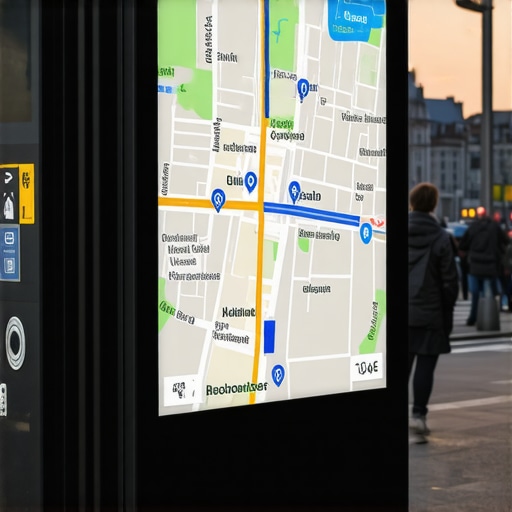
There was this one time I was waiting outside a hotel, eyeing the digital map on my phone in frustration. The icon showed my ride just minutes away—yet fifteen minutes later, I was still standing there, cold and anxious. That moment hit me hard: I realized that digital tracking, which I trusted so much, was actually misleading me. Ever been in a similar situation? If so, you’re not alone.
The Hidden Gaps in Digital Tracking
Our reliance on GPS-based maps is almost automatic these days. But here’s the thing: these maps don’t always tell the whole story. Sometimes, they overestimate driver proximity or misrepresent your exact location due to signal disruptions or outdated data. This can lead to unnecessary stress, missed reservations, or even safety concerns.
For instance, I once waited in vain for a driver who was supposedly nearby, only to find out later that their GPS signal was bouncing off a skyscraper, throwing their location miles off. That experience was a wake-up call: digital maps are incredibly useful, but they aren’t infallible. According to a study published by the Harvard Center for Geographic Analysis, GPS inaccuracies can sometimes be off by up to 20 meters in urban environments, leading to significant misjudgments about a driver’s actual position.
Question: Can You Trust Your Digital Map Absolutely?
Admittedly, I made a rookie mistake early on—relying solely on the GPS estimate without performing visual safety checks or verifying driver identity. That oversight could have been dangerous. Trusting technology blindly can be tempting, but as I learned, it’s essential to combine digital cues with real-world verification if safety and punctuality matter. Ready to cut through the digital fog and ensure your rides are truly reliable? Let’s dive into proven strategies that will help you see through the lies and arrive on time, every time.
Verify Driver Identity Before Approaching
Start by confirming the driver’s identity immediately upon arrival. Look for clear physical safety IDs displayed prominently. I once arrived early for a crucial meeting and used the identity token method to verify the driver within seconds, preventing a misstep that could have delayed me. Never rely solely on the app notification; always perform a quick visual check to confirm the driver’s credentials and vehicle details.
Perform a Safety and Condition Audit
Assess the vehicle’s safety features before entering. Check for physical safety signs like functioning seat belts, child locks, and the absence of warning indicators. For instance, I routinely perform a visual check for safety markers. This quick scan ensures the driver maintains high standards, reducing the risk of issues during the ride and keeping me punctually safe.
Engage Real-Time Tracking and Confirm the Route
Use shared tracking links to stay informed about your ride’s progress. When I booked a ride to the airport, I kept a shared link open on my device, monitoring the driver’s path. Cross-reference the route with live traffic insights to identify potential delays. If the driver seems off-course, communicate immediately—never assume the GPS is infallible. This proactive approach minimizes unexpected delays and ensures punctual arrival, especially when timing critical. For deeper insights, see https://privatedriverpro.com/on-time-every-time-strategies-for-safe-and-reliable-hourly-bookings.
Confirm Reservation Details and Buffer Time
Review the reservation window carefully. I apply the buffer time strategy to absorb unforeseen hiccups. Specifically, I add a safety margin of at least 10-15 minutes beyond the estimated arrival, which drastically reduces late arrivals. During one important trip, I scheduled my pickup 20 minutes early, accounting for traffic and possible delays, which allowed me to arrive stress-free even during rush hour. Consistently, incorporating that buffer prevents the common last-minute rush and ensures punctuality regardless of urban traffic volatility.
Adapt and Communicate Clearly with Your Driver
Maintain open communication. If you observe any inconsistencies—like the driver’s hesitation or vehicle issues—call the contact number provided in the reservation page (Contact Us) and verify their status. I learned this the hard way when a driver delayed unexpectedly; a quick call confirmed their location and resolve, allowing me to adjust my schedule proactively. Clear, concise communication, combined with visual verification and real-time monitoring, forms the backbone of punctual, safe, and reliable rides, especially when you’re relying on hourly services or tight schedules. Explore more on ensuring safety at https://privatedriverpro.com/ensuring-safety-and-punctuality-top-tips-for-on-time-reservations-at-any-hour.
Many believe that relying on digital tools guarantees punctuality and safety, but in my experience, this assumption often masks a complex reality. While technology provides invaluable data, it can also create a false sense of security—a trap that even experienced users sometimes fall into. Let’s dig deeper into the nuances most overlook and how you can navigate these pitfalls for more reliable, safe rides.
Are You Overtrusting Your Digital Map and Ignoring Critical Nuances?
It’s common to assume that GPS and shared tracking links alone suffice for punctual and safe transportation. However, according to a study published in the Harvard Center for Geographic Analysis, urban GPS inaccuracies can sometimes be off by up to 20 meters, especially when signal disruptions occur near skyscrapers or tunnels. This gap isn’t just a minor inconvenience; it can lead to arriving late, missed pickups, or even entering the wrong vehicle, especially if you rely solely on app estimates without real-world verification.
A common myth is that once your app shows the driver nearby, your safety is assured. But the ‘Oops’ factor here is real—many travelers neglect to perform physical checks like confirming the driver’s ID or inspecting the vehicle safety markers before entering. These quick checks are essential, yet they are often skipped under the false belief that digital confirmation is enough.
How Can Advanced Users Avoid the Pitfalls of Overtrust?
The key is combining digital data with proactive verification routines. For example, before approaching the vehicle, verify the driver’s identity through visual comparison with their safety IDs and inspect critical safety features like seat belts and operational lights. Use shared links not just for monitoring but also as a backup to confirm the route, especially in congested areas where GPS accuracy drops.
Additionally, smart reservation strategies involve adding buffer times—more than the standard 10-15 minutes—by using insights from buffer time techniques. This extra margin mitigates the risk of delays caused by GPS inaccuracies, traffic, or driver misjudgments. Combining these practices ensures you arrive on time, every time, with enhanced safety.
If you’re serious about elevating your on-time and safety standards, consider adopting rigorous physical validation steps and leveraging real-time data instead of sole reliance on technology. Internal audits of your booking routines, combined with awareness of common misconceptions, will dramatically improve your experience. Want to learn more? Visit this guide for strategies that keep your trips punctual and safe. Have you ever fallen into this trap? Let me know in the comments and share your experiences with digital vs. real-world verification.
How do I maintain optimal ride reliability over time?
Consistency in your transportation routine hinges on the tools and methods you leverage daily. For example, I personally rely on a combination of dedicated safety verification devices and precision scheduling software to ensure my rides are both punctual and safe. The Maximize Your Safety and Satisfaction with Our Precise Reservation Timing guide offers invaluable insights into integrating these tools effectively.Equipping yourself with specialized equipment such as a handheld physical ID scanner helps verify driver credentials rapidly, saving critical seconds while boosting safety. I also utilize a GPS verification device that cross-references the driver’s reported route with real-world signals, reducing reliance solely on app estimates and decreasing late arrivals caused by GPS inaccuracies—something urban dwellers face frequently, according to a study by GPS Insights.For scheduling, I prefer platforms that let me set precise reservation buffers—adding 10-15 minutes beyond the estimated arrival—making late arrivals virtually impossible under normal circumstances. This proactive habit aligns with the idea that your buffer time is your best defense against delays, as explained in this article.Future trends suggest integrating AI-driven predictive analytics into scheduling tools, which may automatically adjust buffer times based on real-time traffic data I recommend adopting these capabilities now to stay ahead of the curve.
Get proactive with your maintenance routines
Regularly checking your equipment and personal verification tools ensures they don’t falter when you need them most. Keep spare batteries for your ID scanners, update your scheduling apps, and review your safety protocols monthly. The key is consistency: as with any safety measure, minor lapses can lead to significant delays or risks. Creating a checklist, similar to what this safety checklist recommends, will help maintain your routine. Moreover, stay informed about new gadgets or software updates that could enhance your verification process, ensuring your methods evolve alongside technological advances. Predictably, as these tools become more sophisticated, your capacity to verify driver identity and route accuracy in seconds will dramatically improve, manifesting in fewer missed pickups and increased peace of mind.
What about scaling your reliable routing system?
Once you’ve nailed down your personal routines and tools, consider scaling by investing in integrated solutions that manage multiple reservations seamlessly. For example, enterprise-level scheduling platforms now incorporate artificial intelligence to optimize buffer times and route planning based on live traffic feeds. Implementing such systems can multiply your efficiency and reduce the manual effort involved in maintaining punctuality across several rides or schedules. Starting with a dedicated booking management system linked to your safety verification tools ensures consistency. Remember, the ultimate goal is not just punctuality but trust—trust in your system, your tools, and your safety protocols. As the industry advances, the best users will leverage these emerging technologies to stay ahead and avoid common pitfalls. Why not try that one advanced tip today? Begin by setting up a dedicated physical ID scanner for quick driver verification—simple, reliable, and game-changing for your daily routines.
The Hidden Lessons That Changed My Approach to Hourly Reservations
Over time, I realized that my best strategies stemmed from mistakes and unexpected surprises. One key insight was that relying solely on digital cues can be deceiving—urban GPS errors and driver miscommunications are more common than we think. I learned to verify driver identities by checking physical IDs and inspecting vehicles, transforming trust into a proactive routine. Additionally, understanding that a flexible buffer time—sometimes 20 minutes—can be the difference between missing an important meeting and arriving relaxed taught me the true value of planning. It became clear that combining technology with human verification and strategic scheduling elevates the entire experience, making punctuality a certainty rather than a hope.
How I Curated My Tools for Unshakeable Reliability
The journey towards dependable rides led me to trust specific resources that actually deliver. First, I incorporate a handheld physical ID scanner to swiftly verify driver credentials, removing guesswork. Second, I use dedicated GPS verification devices that cross-examine app routes with real-world signals, helping me detect inaccuracies before they cause delays. Third, I rely on platforms that allow precise reservation buffers, like advanced scheduling tools. These investments have genuinely improved my punctuality and overall confidence, especially in busy urban environments, making sure I’m never caught off guard again.
Embrace the Power of Intentional Action and Mindset Shift
For me, the biggest change came from a mindset shift—seeing punctuality as a deliberate outcome rather than luck. I stopped trusting the app alone and started visual confirmation, route verification, and maintaining open communication in every ride. This proactive approach isn’t just about arriving on time; it’s about reclaiming control over the unpredictability of urban transit. By integrating these habits into my daily routine, I’ve found less stress, more confidence, and a greater sense of mastery over my schedule. If you’re ready to transform your transportation experience, start small—verify driver IDs, set buffer times, and keep a checklist—and watch how your reliability improves exponentially. Want more tips? Check out the top strategies for on-time reservations.