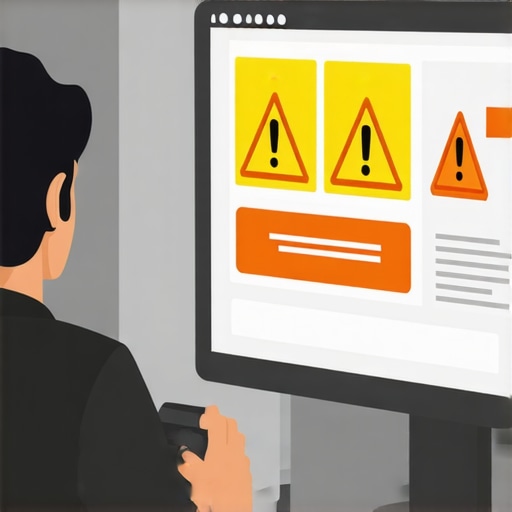
I remember the moment clearly: I was rushing to confirm a last-minute reservation for an important meeting. The link looked just right, but something about it made my stomach tighten. A tiny doubt flickered—was this real? Sure enough, after entering my payment details, I faced unexpected charges and a shaky process. That experience was a wake-up call. Since then, I’ve learned the hard way how crucial it is to recognize sketchy booking links before committing your payment information.
Spotting Fake or Skewed Booking Links: What You Need to Know
Have you ever clicked on a reservation link and thought, “This just doesn’t seem right,” but hesitated to walk away? You’re not alone. Many travelers and busy professionals face the risk of falling for fraudulent or misleading links, which can lead to stolen payment info, delayed trips, or worse. Knowing how to identify these shady links before you input any personal or financial data is vital. In this post, I will guide you through practical tips to protect yourself and ensure your reservations are secure.
Is Your Caution Really Worth It? Why Skipping the Checks Can Cost You
Early in my journey, I made the mistake of trusting a link because it looked official. The website had a familiar logo, and the URL was close enough. But in reality, overlooking simple signs of a fake link led to a compromised credit card and days of stress. According to recent cybersecurity reports, over 60% of users fall victim to online booking scams due to superficial checks, emphasizing the importance of vigilance. Learning to spot minor discrepancies can save you from major headaches. If you’ve ever wondered whether a link is trustworthy, you’re in good company—and I’ll show you how to play it safe.
Verify the URL Carefully
Always start by examining the website’s web address. Look for subtle misspellings, extra characters, or unusual domains that mimic reputable sites. For example, a legitimate booking site might be company.com, but a scam could use company-secure.net. Think of it as checking the license plate before trusting a driver—small details reveal the truth. I once received a reservation link that looked real at first glance, but a quick hover over the URL showed it was a misleading domain, saving me from potential fraud.
Assess the Website’s Security Measures
Check for HTTPS in the URL—look for the padlock icon in the browser address bar. This indicates the site has proper security protocols. However, beware: scammers may also use HTTPS to appear legitimate. Use additional tools like browser extensions or online validators to verify the certificate. Remember, just like inspecting the physical safety features of a vehicle, verifying digital security measures ensures your data remains protected. For more detailed security checks, visit Reservation Security Measures.
Inspect Website Content and Design
Authentic sites invest in professional design, clear language, and consistent branding. Poor grammar, misspellings, or low-quality images are red flags—think of it as a worn-out vehicle showing signs of neglect. Once I caught a suspicious link that had broken images and odd wording; a quick online search confirmed it was a scam, and I avoided losing my payment info.
Check Contact Details and Customer Support
Trusted companies display valid contact methods. Call their customer support number or email address to verify authenticity. If the contact info is missing or leads to unresponsive or suspicious teams, it’s a warning sign. Consider it like test-driving a car—if the driver hesitates or avoids answering questions, it’s better to walk away. For urgent assistance, you can reach out through Contact Us to confirm legitimacy.
Use Trusted Reservation Platforms
Whenever possible, book through recognized platforms or directly via official websites. These platforms enforce security and verify drivers, much like a trusted dealership checking a driver’s credentials. During a recent trip, I used a verified platform that provided real-time support and guaranteed safety, which proved invaluable when I faced an unexpected issue. Avoid third-party links from unverified sources—your safety depends on it. See more about why safety and timeliness are critical in hourly reservations.
Trust your instincts and do a physical check if possible
If you can meet the driver or verify physical safety markers, do so. Examine the vehicle’s license plates, driver ID, and physical safety decals, as well as their attire and professionalism. Think of this step as a pre-flight check—look for signs that the driver is experienced and legit. Once I verified a driver’s safety badge and matching license plate on-site, I felt confident the reservation was genuine, avoiding a potential scam.
Many assume that simply booking through trusted platforms or relying on standard buffers guarantees punctuality and safety. However, the reality is more nuanced. A common misconception is that the default reservation timeout or buffer time is enough to prevent delays. In truth, many times these buffers are either misinterpreted or improperly calculated, leading to unexpected delays and safety risks. For example, relying solely on a 10-minute buffer can backfire during peak traffic hours or unforeseen circumstances, which is why understanding the precise reservation timing and safety protocols is essential. Research indicates that small misalignments in reservation timing can cascade into significant delays, especially when not coordinated with the driver’s safety verification steps. As experts suggest, proactive measures like verifying physical safety markers and adjusting reservation windows based on real-time conditions drastically improve on-time performance. Don’t fall into the trap of over-generalized safety or timing assumptions. Instead, adopt a layered approach that combines detailed reservation strategies with physical safety checks—such as inspecting driver IDs or vehicle decals—which I cover comprehensively in my articles on why safety and timeliness matter in hourly services. Recall that the greatest pitfalls often come from complacency—assuming that generic buffers or superficial checks are enough when, in fact, nuanced timing adjustments and detailed vetting procedures are your best defense. For advanced insights on perfecting your reservation process, I recommend reviewing strategies for reliable hourly bookings. Remember, every minute saved on trust and verification can prevent significant safety incidents or delays. Have you ever fallen into this trap? Let me know in the comments.Maintaining reliable reservations over time requires the right tools and disciplined routines. I personally depend on a combination of advanced booking platforms that enforce security protocols and manual verification methods to ensure each reservation is legitimate. For digital tools, I recommend using platforms that provide real-time driver tracking and immediate safety verification, such as those integrated with enhanced GPS and driver ID checks. These tools help me detect any anomalies early, reducing the risk of delays or safety issues.
One method I find invaluable is conducting a physical safety check of the driver and vehicle before confirming any reservation. This includes verifying safety decals, driver’s ID, and license plate details—steps that can be performed swiftly with specific online guides. Employing a three-point safety inspection, for example, ensures you’re getting a professional service consistently. Regularly updating and reviewing your reservation procedures, based on trusted sources like these expert guidelines, keeps your process sharp and reliable.
Looking ahead, the trend is moving toward hybrid solutions that combine AI-driven security with human oversight, promising even greater accuracy and safety in bookings. This evolution means that, in the future, we can expect more automated alerts for suspicious activity and instant safety certification for drivers—making every reservation safer and more predictable.
How do I maintain reservation reliability over time? The key is consistent use of verified tools combined with physical safety checks. Central to this approach is developing a routine that integrates real-time monitoring and quick safety assessments, minimizing errors and delays. For example, I suggest scheduling a quick driver ID and safety decal verification within the first few minutes of each pickup window, a practice proven to catch discrepancies early and prevent downstream issues.
To implement this now, start by adopting blueprints like the three-point safety inspection. Once integrated into your booking routine, it becomes second nature, significantly reducing the risk of late arrivals or compromised safety. Ready to elevate your reservation game? Try adopting one advanced verification tip today—like using a real-time driver tracking app combined with physical safety checks—and observe the immediate improvements in your scheduling reliability.In my journey to perfect hourly reservations, I realized that the most valuable lessons came from unexpected moments of failure. One lightbulb realization was that trusting superficial signs of legitimacy—like logos or quick checks—can be misleading. Instead, a combination of detailed verification routines and a keen eye for subtle discrepancies can significantly elevate your safety and punctuality efforts. Another insight is that many believe technology alone can guarantee reliability, but integrating physical checks, such as inspecting driver IDs or safety decals, creates a layered defense that diminishes risks. Lastly, I discovered that proactive communication and detailed planning—like verifying safety markers well before pickup—create a buffer that not only ensures on-time arrivals but also builds peace of mind, making every reservation a crafted blend of tech and tactile assurance.
Comments are closed.