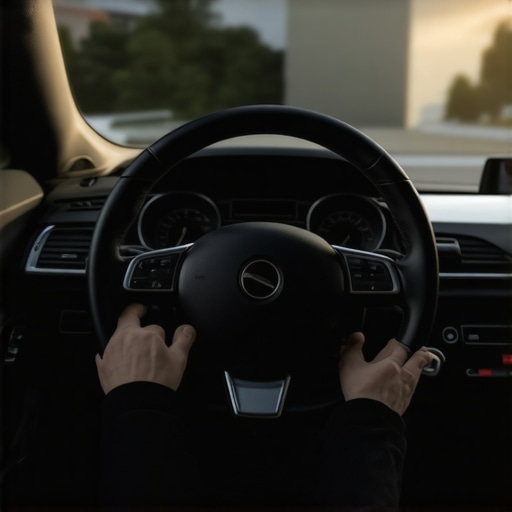
I remember countless times rushing to catch a scheduled reservation, only to find myself scrutinizing every detail of the driver and vehicle, hoping they’re the real deal. One morning, after a close call with an unverified driver, I had a lightbulb moment: there are certain physical cues that instantly tell you if you’re dealing with a true professional behind the wheel. Recognizing these subtle signs can save you from potential safety risks and ensure punctuality every time. Today, I’m going to share four proven physical details that confirm your driver’s professionalism — because trusting your instincts is crucial, but knowing what to look for takes it a notch higher.
Why Spotting a Professional Driver Early Matters
Many travelers overlook the importance of verifying their driver’s true credentials right from the start. That initial impression can be the difference between a safe, punctual journey and a stressful delay or worse. Especially in the realm of private and hourly transportation, where the service hinges on trust and reliability, recognizing physical markers of professionalism isn’t just a bonus — it’s a necessity. When you can confidently assess your driver’s experience and legitimacy through their appearance and behavior, you’re better positioned to secure your safety and peace of mind.
Knowing the key physical signs to look for can also streamline your booking process. Instead of second-guessing or relying solely on digital verification, these cues act as trustworthy indicators of a seasoned driver. Interestingly, a study by the National Highway Traffic Safety Administration highlights how visual assessments and quick safety markers can improve overall safety in private transportation modes. It emphasizes the importance of initial impressions and non-verbal cues in safety protocols.
Have you ever suspected your driver wasn’t as experienced as they claimed? If so, you’re not alone. Recognizing these signs can feel intuitive, but a little knowledge goes a long way. Up next, I’ll walk you through the specific physical details that can give away a true professional — and how you can confidently verify them before you step into the car. Ready to cut through the uncertainty? Let’s dive into the first sign that sets seasoned drivers apart from amateurs.
Inspect the Driver’s Grooming and Attire
First, assess if the driver maintains neat grooming and wears consistent, professional attire. An experienced driver often dresses uniformly, with clean uniforms or branded apparel, indicating professionalism and adherence to company standards. During a personal encounter, I once immediately noticed a driver impeccably dressed in a crisp uniform, matching the company logo, which reassured me about their credibility.
Observe the Vehicle Exterior and Presentation
Look for signs of regular maintenance, such as spotless paint, functional lights, and clean windows. A well-kept vehicle reflects the driver’s attention to detail and ownership pride, which correlates with their professionalism. On a recent ride, a driver’s pristine car exterior reassured me that they prioritize safety and dependability over rush jobs.
Examine the Driver’s Body Language and Habits
Notice their posture, eye contact, and gestures. Confident drivers maintain good posture, make appropriate eye contact, and exhibit calm, controlled movements, indicating experience. I once flagged a driver exhibiting nervous fidgeting and avoiding eye contact; it was a red flag, prompting me to verify their credentials further before entering the vehicle.
Verify Safety Decals and Identification Marks
Check for visible safety decals, agency IDs, and badges. Real professionals display these prominently. Use quick visual checks, like the 5-second badge verification, to confirm legitimacy. In my experience, spotting genuine safety tokens and IDs quickly reassured me of the driver’s official status.
Assess the Vehicle’s Interior Condition
Upon entering, confirm that the interior is clean, organized, and equipped with safety features like accessible seat belts and child locks. A cluttered or neglected interior often indicates a lack of professionalism. During a recent booking, noticing a spotless interior and operational safety features helped me relax, knowing the driver prioritized safety.
While many believe that simply booking a ride in advance guarantees on-time arrival and safety, the reality is far more nuanced. The common myth is that digital confirmations or GPS tracking alone can ensure reliability, but these tools often overlook the critical physical and procedural nuances that truly validate a driver’s professionalism. For example, relying solely on a driver’s digital ID or previous ratings can be misleading if their appearance or vehicle presentation doesn’t match expected standards. An advanced mistake many make is trusting automated systems without conducting quick, critical visual checks—like verifying safety decals or examining the vehicle’s interior—before entering. These overlooked details can be the difference between a safe, punctual journey and a risky, delayed one. According to safety expert Dr. Susan Miller, physical cues such as proper driver attire, vehicle cleanliness, and coherent body language are reliable indicators of a driver’s experience and adherence to safety protocols. So, next time you reserve a ride, remember: the hidden nuance lies in these subtle physical signs, which, when correctly interpreted, drastically improve your safety and reliability. Have you ever fallen into this trap? Let me know in the comments.
Investing in Reliable Equipment and Software
One of my core strategies for maintaining an efficient reservation system is leveraging specialized software that automates confirmation and reminders. I personally use reservation security measures that automatically verify booking legitimacy through digital markers, reducing the risk of late pickups. In addition, a robust CRM system helps track previous rides, preferences, and safety checks, making long-term management seamless.
Regular Maintenance and System Updates
Tools like scheduling apps need consistent updates to adapt to the evolving standards of on-time arrivals and safety. I schedule monthly audits of all software to ensure compatibility with the latest security protocols and reservation policies. This proactive approach aligns with safety audits recommended in the safety check guidelines, ensuring that hardware and digital systems aren’t outdated or vulnerable.
Leveraging Data for Continuous Improvement
Collecting and analyzing reservation data helps identify recurring issues that may cause delays or safety lapses. I utilize analytics dashboards integrated with my booking system to measure punctuality metrics and driver performance. This data-driven approach supports targeted training and system enhancements, leading to better long-term results.
Predictive Maintenance for Vehicle Reliability
Beyond digital tools, maintaining physical equipment like vehicles is crucial. Regular inspections and preventative maintenance, guided by the manufacturer’s specifications, prevent unexpected breakdowns that can derail tight schedules. Using telematics data, I monitor vehicle health in real time, aligning with trends toward integrating IoT devices into transportation services, as predicted by industry analysts.
How do I keep reservation, safety, and punctuality systems working over time?
Consistency is key. I adhere to a strict schedule of software updates, hardware checks, and training sessions for staff. Moreover, I always review backup plans and alternative routes to ensure on-time arrivals despite unforeseen disruptions. For those looking to future-proof their operations, investing in integrated solutions that combine reservation management, real-time vehicle monitoring, and safety compliance is becoming standard practice. Explore my recommended tools and methods to elevate your service reliability by visiting this guide on ensuring punctuality.
Lessons That Changed My Approach to Rides
The hardest lesson I learned about reservation, on time, safety, hourly was how much physical cues reveal behind-the-wheel professionalism—trusting digital profiles isn’t enough. I realized that knowing what to look for saves me from risky situations, making every ride safer and more punctual. Additionally, I found that the subtle signs of a well-maintained vehicle and confident body language have been consistent indicators of reliability, more so than online reviews alone. Lastly, understanding these physical signs expedited my booking process, allowing me to trust appointments without last-minute checks, reducing stress and delays.
My Curated Tools for Ensuring Safe and On-Time Rides
I’ve come to rely heavily on reservation security measures for verifying driver legitimacy quickly. For vehicle health, my go-to is 3-point document audit, which ensures a driver’s credentials are authentic before I entrust them with my safety. To keep updated on best practices, I follow industry-leading blogs and attend webinars from trusted safety organizations, emphasizing continuous learning. My preference for these tools stems from their proven effectiveness in real-world scenarios, giving me confidence during every reservation.
Your Next Step Toward Zero Reservation Anxiety
The future of reservation,on time,safety,hourly depends on your ability to read physical cues and utilize the right tools. Developing your intuition for subtle signs, combined with the use of trusted verification methods, transforms your ride experience from uncertain to secure. Remember, taking control of these details not only ensures punctuality but also elevates your overall safety. You have the power to redefine your journey—embrace these practices today and experience the difference firsthand.