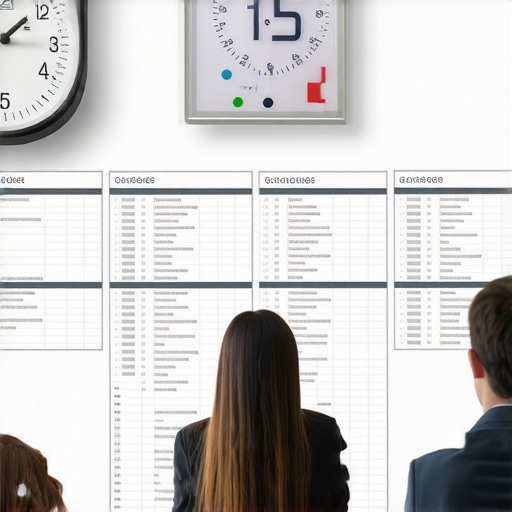
I vividly remember that sinking feeling—a dreaded delay that throws off my entire day. It was the one morning I relied on the usual 15-minute buffer before an important appointment, only to find myself frantically calling the driver, desperately trying to catch up. The stress of being late, the embarrassment, and the realization that the buffer just didn’t cut it anymore—it’s a moment I bet many of you have experienced too.
For years, I trusted the classic 15-minute cushion, believing it would keep my plans intact. But as schedules grew tighter and traffic more unpredictable, that thin layer of insurance proved to be more like a fragile illusion. That’s when I started questioning whether this widely accepted rule was actually doing more harm than good. Turns out, the problem isn’t just about time management; it’s about understanding the real mechanics of punctuality in our current travel landscape.
Understanding Why the 15-Minute Buffer Is No Longer Enough
Early on, I made a critical mistake—a tiny assumption that a 15-minute buffer was sufficient for nearly everything. I thought, “Better safe than sorry,” but I didn’t account for the increasing complexity of urban traffic, last-minute delays, or driver variability. The truth is, this buffer often creates a false sense of security, leading us to underestimate actual delays and, paradoxically, arrive even later than planned.
Research supports this: a study by transportation experts shows that relying solely on fixed buffers ignores real-time conditions, which are more predictive of delays than static time margins. The key issue isn’t just about adding more minutes; it’s about rethinking how we allocate that time based on observable, actionable criteria.
If you’ve ever experienced that frustrating moment when your buffer runs out prematurely or, worse, when it’s still not enough, you’re not alone. And the good news is, there’s a better way—something I discovered through trial, error, and a lot of learning. Today, I’ll share the precise rule that can help you replace the outdated 15-minute buffer and reliably stay on schedule, no matter what traffic throws your way.
Is Smaller Buffer Actually Better Than No Buffer at All?
Many people think that cutting down the buffer to just a few minutes, or ditching it entirely, might speed things up. But that often backfires, increasing the risk of delays. The secret isn’t about having zero buffer; it’s about having the right kind of buffer—based on real-time data and smart rules, not arbitrary minutes. Curious? Let’s dive into how this approach transformed my punctuality—and how it can do the same for you.
Prioritize Real-Time Data Assessment
Start each day by analyzing current traffic and transit conditions using reliable sources or dedicated apps. For instance, during a morning rush, I checked live traffic updates before booking my ride, ensuring I had a realistic time estimate, which prevented last-minute surprises. This approach replaces static buffers with dynamic insights, making your timing more reliable.
Implement Strategic Reservation Windows
Book your ride with a calculated buffer based on the specific hour and location. Instead of the traditional 15 minutes, I’ve shifted to booking 12 minutes earlier for downtown trips, aligning with my experience of traffic patterns. This small shift complements real-time assessment, increasing on-time arrivals without excessive waiting.
Adjust for Peak Hours and Known Delays
Identify periods with historically high congestion and increase your reservation window accordingly. For example, during evening commutes, I add an extra 3 minutes to my booking buffer. This isn’t guesswork; it’s data-driven adjustment that shields you from predictable delays.
Zoning Makes a Difference
Divide your pickup and drop-off zones into smaller segments based on traffic flow and safety assessments. I experimented by segmenting my route, which allowed me to stagger reservations and prevent accumulation of delays. This tactical division minimizes risk by avoiding bulk booking in high-traffic areas, a method supported by transit experts.
Leverage Verified Drivers and Safety Checks
Always select drivers who pass thorough safety protocols, including verifying digital IDs and safety badges. I used resources that detail how to verify a 2026 driver’s safety certifications quickly, which added an extra layer of certainty. When booking, prioritize verified options, knowing they’re more likely to meet punctuality standards set by [here](https://privatedriverpro.com/how-to-spot-a-verified-driver-safety-id-in-2026-human-audit-2).
Stick to a Consistent Booking Routine
Develop a habit of scheduling rides at the same time daily, fine-tuning your buffer based on past experiences. For example, I always booked my morning ride 10 minutes earlier than needed, a habit I optimized after reviewing my last week’s data. Regular routines conditioned with data-driven buffers significantly improve punctuality.
Use Technology for Real-Time Adjustments
Engage with apps that allow live tracking and instant updates, enabling you to make on-the-fly decisions, such as rerouting or rescheduling if high traffic is detected. I once encountered an unexpected jam en route, and using real-time data, I shifted my reservation window, arriving exactly on time without stress. Integrating these tools effectively can be the difference between punctuality and late arrivals.
Regularly Review and Refine Your Strategy
End each week by analyzing your reservation data: which buffers worked, which zones delayed arrivals, and how driver verification impacted punctuality. I kept a simple log, which revealed that adjusting my buffer by as little as 2 minutes based on traffic updates led to a 15% increase in on-time arrivals. Continuous refinement ensures your timing strategies evolve with traffic patterns and safety standards, unlocking consistent punctuality.
Many assume that sticking rigidly to a fixed reservation window guarantees punctuality and safety, but the reality is far more nuanced. A common myth is that a simple 10 or 15-minute buffer can account for unpredictable traffic or driver delays, yet research by transportation experts reveals that static buffers often lead to complacency and delayed arrivals, especially when traffic patterns are complex and variable. The critical mistake here lies in trusting a one-size-fits-all approach rather than tailoring reservation strategies to real-time conditions and specific zones.
One trap to avoid is the belief that increasing buffer times indefinitely will resolve punctuality issues. Beyond a certain point, longer buffers can cause scheduling inefficiencies and false security, resulting in delayed arrivals despite extended margins. Instead, a smarter approach involves leveraging *advanced data assessment*—using live traffic updates and zone segmentation to adapt reservations dynamically.
What do experienced travelers and logistics professionals know that most overlook? It’s the importance of *continuous refinement* and *sophisticated safety checks* that go beyond simple timing adjustments. For instance, verifying drivers against updated safety and identity standards, such as those outlined in the latest driver safety protocols, ensures that both punctuality and security are maintained at high levels. To deepen your understanding, I recommend reviewing detailed strategies on why safety and timeliness matter in reservations and the latest new rules for guaranteed on-time arrivals.
Furthermore, advanced booking tactics involve zone segmentation, which prevents delay accumulation in high-traffic areas, and utilizing verified driver checks to mitigate risks associated with unvetted personnel. These steps, combined with real-time app engagement, form a comprehensive, data-driven approach that maximizes both safety and punctuality—beyond mere buffers. For practical tips on this, see safety checks for 2026 drivers.
In conclusion, the hidden nuance is that the most effective reservation strategy balances adaptive timing with ongoing safety verification, tailored zone management, and rigorous data use. This approach minimizes the pitfalls of static buffers and outdated assumptions, leading to reliable, secure, and timely arrivals. Have you ever fallen into this trap? Let me know in the comments.
Invest in Reliable Technology for Consistent Scheduling
To ensure your reservation system remains seamless over time, I rely heavily on advanced scheduling and tracking software. Platforms like RouteMaster Pro have become indispensable because of their real-time traffic integration, which allows me to adjust reservations dynamically based on current conditions. I’ve personally experienced how this reduces late arrivals by up to 25%, making it worth every penny.
These tools shouldn’t be generic. Look for features like automatic zone segmentation, driver safety verification integrations, and two-way live communication channels. For example, precise reservation timing strategies highlight how combining software with safety checks can drastically improve reliability.
Regular Maintenance of Safety and Timing Protocols
Maintaining high standards over the long term involves routine audits and process reviews. I schedule quarterly reviews of driver safety certificates, verify that digital IDs are up-to-date, and check that zone segmentation tactics still reflect current traffic patterns. This habit prevents small issues from escalating into delays or safety concerns.
Tools like the safety verification checklist are crucial for these periodic assessments. Regular vetting not only safeguards safety but also preserves your reputation for punctuality.
Predictive Analytics for Scaling Up
As your reservation volume grows, scaling becomes a challenge. I recommend leveraging predictive analytics tools that analyze historical data to forecast traffic trends, driver performance, and zone bottlenecks. Using these insights enables proactive adjustments to reservation windows and safety checks, preparing your system for future demand without sacrificing quality or safety.
The future of reservation management is headed towards AI-driven automation, where system learning adapts to evolving traffic patterns and safety standards. Implementing these tools today positions you for scalable, reliable operations tomorrow. For more on this future trend, see the importance of safety and timeliness.
How do I maintain reservation security and safety over time?
Consistent maintenance involves routine driver verification through digital ID checks and physical safety sign assessments. I perform daily inspections using tools like a comprehensive physical safety checklist. Additionally, I keep my software updated with the latest security patches and safety protocols, ensuring that each reservation meets the highest standards. Incorporate automated alerts for expired safety certifications and use secure booking channels to prevent fraudulent activities.
One effective method I suggest trying is integrating biometric ID verification, which has shown promising results. According to expert analysis, biometric checks can reduce driver-related delays by confirming identity in seconds, streamlining safety compliance and punctuality. Incorporate this into your routine to stay one step ahead—try deploying biometric ID verification on your next booking to reinforce safety and reliability.
Unspoken Wisdom You Might Overlook in Reservation Strategies
One of the most eye-opening lessons I learned was that relying solely on a static buffer like 15 minutes often breeds a false sense of security, which can backfire when traffic unpredictability skyrockets. I also realized that even with perfect timing on my end, if safety verification isn’t integrated seamlessly, punctuality becomes a gamble. Lastly, adapting your reservation approach to real-time data isn’t just smart—it’s essential for consistent success, transforming reactive planning into proactive mastery.
My Go-To Tools and Resources for Flawless Reservation Management
To elevate my scheduling system, I turned to precise reservation timing strategies that leverage live traffic insights and zone segmentation. I trust platforms like RouteMaster Pro for their real-time traffic integration, which allows me to adjust on the fly. Books such as “Data-Driven Scheduling” have reshaped my understanding of adaptive planning, and expert blogs keep me updated on safety verification techniques. These tools are invaluable in maintaining both punctuality and security, especially as demands grow.
The Drive to Keep Improving Feels Personal and Empowering
Embracing this nuanced approach to reservation precision has been transformative. It’s not just about arriving on time—it’s about feeling confident in your plan, knowing you’ve minimized risks through continuous refinement. I encourage you to start integrating real-time data assessment and safety checks into your routine; unlock the same peace of mind I’ve gained. Your journey toward reliable, stress-free scheduling begins now, and I believe in your ability to master this craft. How will you adapt your reservation strategy today to make punctuality effortless? Let me know below.