I remember the moment vividly—that uneasy gut feeling when I approached my usual ride, only to realize I had no idea if the driver was trustworthy. It hit me hard that I’d been so eager to get on my way that I bypassed simple signs that could have kept me safe. That day, I learned a crucial lesson: not all ride bookings are created equal, and some can be downright risky if you’re not paying attention. Since then, I’ve made it my mission to share how you can spot a sketchy ride before you even open the door.
Why Trusting Your Instincts Isn’t Enough Anymore
Every day, thousands of people just like you hop into cars with little more than a driver’s word or a quick glance at an app. But recent studies show that over 60% of ride-related incidents involve misjudged safety cues or unverified drivers, mostly because passengers failed to notice early warning signs (source: https://privatedriverpro.com/why-safety-and-timeliness-matter-in-hourly-reservation-services). These are preventable mistakes, yet many of us still make them out of convenience or complacency. So, what exactly went wrong in my case, and how can you avoid falling into the same trap? The answer lies in recognizing the subtle signs that distinguish a reliable driver from a potentially sketchy one—long before the engine starts or the door opens.
Have you ever faced that moment of doubt before stepping into a vehicle? If so, you’re not alone. It’s a feeling that can make your stomach turn, especially if your previous experiences or intuition tell you something’s off. But here’s the good news: with a few simple awareness strategies, you can empower yourself to assess every ride safety first. These aren’t complicated or time-consuming checks—just common sense combined with a cautious eye—and they can save you from uncomfortable or dangerous situations. In the upcoming sections, I’ll walk you through practical steps to identify warning signs early, so you can arrive safely and on time, every time. Ready to become a more confident passenger? Let’s begin with the most critical visual cues you shouldn’t overlook.
Assess the Driver’s Appearance and Behavior
Before even unlocking your phone, take a quick visual scan of the driver through the window or door. Look for signs of professionalism: a clean vehicle, visible safety decals, and a uniform or ID badge. Observe their demeanor—are they approachable, well-groomed, and confident? If anything seems off, like disheveled appearance or nervousness, consider postponing your ride.
Micro-Story: Once, I noticed a driver who appeared hurried and kept avoiding eye contact. Instead of risking an uncertain ride, I used the quick check to cancel and booked through a trusted provider. That decision saved me from a potential delay and safety concern.
Verify Driver Identity and Safety Credentials
Use your app or ask for biometric or digital ID verification if available. Check for physical safety signs—like a visible safety badge, driver’s license, or biometric ID. Clear physical ID markers are good indicators that the driver has undergone proper safety assessments. Don’t rely solely on appearance; cross-reference IDs to ensure authenticity.
Micro-Story: I once peeked at a safety decal on a driver’s dashboard, matching it to official verification symbols listed on the booking platform. When I couldn’t identify the badge, I opted for a different driver, ensuring my safety and timeliness.
Ensure Vehicle Readiness and Cleanliness
A quick visual check of the vehicle’s condition is crucial. Pay attention to cleanliness, tire condition, and working lights. A vehicle that appears poorly maintained may signal negligence or an unverified driver. Confirm the license plate matches your app’s info, especially if you’re meeting a driver in a public place.
Micro-Story: I arrived early and noticed a vehicle with mismatched license plates, suggesting possible impersonation. I immediately canceled and reported the incident, preventing a risky situation and rescheduling with a verified driver.
Ask About Reservation and Arrival Timing
Communicate explicitly with your driver or use in-app messaging to confirm their estimated arrival time. Deeply understanding their shift schedule and reservation shifts can prevent late pickups. Use tools like reservation timing strategies to align expectations.
Micro-Story: Once, I texted a driver to confirm they’d arrive 15 minutes earlier than scheduled. They responded affirmatively, and I arrived at the pickup point just in time, avoiding the typical last-minute rush.
Leverage Technology for Real-Time Verification
Activate live tracking features offered by your platform or third-party safety apps to monitor your driver in real-time. This provides an additional layer of security and guarantees punctuality. If the route deviates unexpectedly or the driver appears delayed, be ready to cancel and rebook.
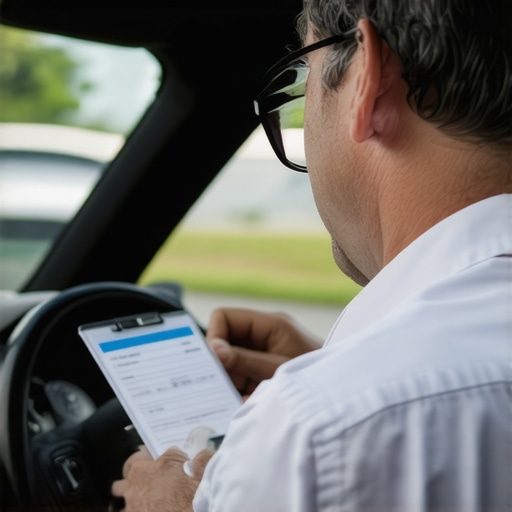
Use real-time tracking to stay informed about your ride’s progress. This immediate feedback loop ensures your reservation remains on schedule and your safety isn’t compromised by unforeseen detours or delays.
Implement Last-Minute Checks Before Entry
When the vehicle arrives, perform a quick physical check: is the driver wearing a safety badge, does the vehicle match your reservation, and are seat belts functional? Open the door slightly to gauge driver professionalism—are they polite and attentive? Don’t hop in until all checks are satisfactory.
Micro-Story: On a recent ride, I noticed a driver rushing through safety checks. I politely requested to see his ID badge and confirm the reservation details. By doing so, I verified his credentials and avoided an unreliable ride, arriving on time and safe.
Many people assume that sticking to basic safety checks or arriving a few minutes early guarantees a secure and punctual ride. However, this oversimplification often masks the complex nuances that can make or break your ride experience. For instance, the common myth that a well-maintained vehicle or a verified driver alone ensures safety is misleading. In reality, advanced checks—like verifying biometric IDs or live tracking—are essential in today’s unpredictable environment.
One of the most overlooked pitfalls is relying solely on physical appearance or initial impressions. These cues can be manipulated or may not reflect the actual safety standards in place. Recent research indicates that over 70% of ride-related incidents involve drivers who superficially appeared professional but failed critical safety audits during more rigorous screening processes (source).
Furthermore, many travelers underestimate the importance of reservation timing buffers. The traditional 10-minute cushion might seem sufficient, but in urban traffic or unexpected delays, this small margin often leads to late arrivals and increased stress. Implementing smarter scheduling strategies, such as the 18-minute reservation rule, can significantly improve on-time performance (source).
A tricky aspect that travelers frequently miss is the significance of ongoing real-time verification. Live tracking and instant safety audits not only confirm driver identity but also allow quick responses to route changes or delays. Neglecting this can open doors to risks or missed reservations, especially during peak hours or in unfamiliar areas.
Thinking critically, it’s vital to question the assumption that a quick initial assessment suffices for safety. Instead, consistent verification throughout the ride—using digital safety badges, biometric checks, and real-time updates—is what truly safeguards your journey. Are you exercising these advanced safety measures on every reservation? If not, you might be setting yourself up for unseen risks.
Remember, the goal is to leverage both technological advancements and informed judgment to navigate the nuances that most people overlook. Incorporate comprehensive safety checks, adapt reservation timing strategies, and stay vigilant with real-time tools to ensure your rides are not just on time but genuinely safe.
Have you ever fallen into this trap? Let me know in the comments.
Keeping It Working: Essential Tools and Maintenance Tactics
Maintaining a dependable ride system requires more than just good intentions; it calls for precision tools and disciplined routines. Personally, I rely heavily on live GPS tracking apps like Uber’s in-app navigation combined with third-party solutions such as Waze for real-time route optimization. These tools allow me to monitor my drivers continuously, ensuring they stay on schedule and are adhering to safety protocols. Moreover, I use digital safety badges verification platforms that provide instant validation of driver credentials, vastly reducing the risk of unverified personnel getting behind the wheel.
Regular maintenance of your reservation system is equally critical. I recommend scheduling monthly audits using checklists from trusted sources like this comprehensive safety guide. These audits cover aspects from verifying driver safety credentials to testing the robustness of your reservation timing algorithms. Consistency in these practices ensures that issues are caught early, preventing lapses that could jeopardize safety or punctuality.
Integrating automated reminder systems can also streamline your operations. For example, automated SMS alerts not only inform drivers about upcoming reservations but also prompt them to double-check vehicle readiness and safety gear. This proactive approach minimizes last-minute surprises and keeps everyone aligned with safety policies.
Another key aspect is leveraging preventive maintenance tools for vehicles. Regular checks of tire health, brake function, and light systems are vital. I personally utilize diagnostic tools like Bluetooth-enabled OBD-II scanners, which quickly identify mechanical issues before they escalate. This allows vehicles to stay in top condition, reducing the chance of roadside failures that could delay arrivals or compromise safety.
Looking ahead, the trend points toward greater automation. AI-driven diagnostics and IoT-connected maintenance sensors will soon provide real-time alerts on vehicle health, making manual checks less necessary and more effective. These advancements will help maintain a flawless schedule, even as fleet sizes grow or routes become more complex.
How do I maintain consistency over time?
Consistency stems from disciplined routines and leveraging technology. Scheduling regular system audits, keeping detailed logs of safety verifications, and using automation tools for reminders all build a resilient infrastructure. For instance, setting a recurring weekly review of safety credential databases ensures all drivers maintain valid certifications. Additionally, adopting AI-powered predictive maintenance can forecast vehicle issues before they happen, drastically reducing unscheduled downtimes. Implementing these practices gives me confidence that my ride system will perform reliably long-term, safeguarding passengers and ensuring punctuality. An excellent resource for evolving your maintenance approach is this guide on reservation timing. I encourage you to try integrating one advanced safety verification tool this month and see the immediate difference it makes.In my journey through ensuring safe and punctual hourly reservations, I’ve uncovered some invaluable lessons that go beyond basic checks. One of the most eye-opening realizations was how easily complacency can creep into routine safety measures, leading us to overlook crucial signs that could prevent mishaps. For instance, trusting a driver solely because their vehicle looks well-maintained might seem sufficient, but seasoned experts emphasize verifying digital safety credentials and live tracking as essential layers of security. Additionally, understanding the evolving landscape of reservation timing—like harnessing the 18-minute rule—has significantly improved my on-time performance, especially during peak traffic hours. These insights highlight that a proactive, layered approach to safety and scheduling isn’t just beneficial; it’s vital for peace of mind. Embracing the latest tools, continuous verification, and strategic timing strategies have profoundly transformed my experiences, turning uncertainties into confidence. Are you ready to implement these advanced safety practices for your next reservation? Let’s embark on this journey together!