
I remember the morning I nearly missed an important meeting because my private hourly driver didn’t show up on time. That sinking feeling of uncertainty—was the car safe? Would it arrive as scheduled? It was a wake-up call that made me realize how crucial thorough safety and reliability checks are, especially as we head into 2026 with more sophisticated options for private transportation. If you’re like me, you value punctuality but also worry about security. Today, I want to share how a simple set of 5 Proof-of-Safety Checks transformed my experience and can do the same for you.
Why Verifying Your Hourly Driver’s Safety Has Never Been More Crucial
In an era where scheduling precision is everything, relying solely on online reviews or driver’s credentials isn’t enough. The safety of your journey depends on proactive verification—ensuring your driver isn’t just trusted on paper but genuinely reliable in practice. Early on, I made the mistake of trusting a driver based solely on a passing glance at their profile—only to find afterward that their safety record was less than stellar. That oversight could have been dangerous. According to the National Highway Traffic Safety Administration, the safest drivers are those who undergo regular safety audits and verification checks, especially in private, on-demand transportation. Now, I rigorously perform specific safety checks before every booking.
Is It Really Worth the Extra Effort to Check Your Driver?
This is a common skepticism I encounter, and honestly, I used to think so too. But after a few close calls and late-night worries, I realized that neglecting safety could cost much more than the time it takes to do these checks. It’s about peace of mind—knowing that your driver has met established safety standards and is verified regularly. For instance, confirming their recent safety audits or ensuring their vehicle meets the latest safety certifications can prevent unexpected delays or, worse, accidents. Trust me; the small inconvenience of a safety check is a small investment compared to the stress and potential danger of overlooking it. Curious about how I perform these verifications? Take a look at the proven practices shared in this detailed safety checklist.
Start with Driver Identity Verification
Before your ride, confirm the driver’s identity by checking their official ID and matching it with the booking details. I once arrived early at the pickup spot, and instead of rushing, I asked the driver for their ID, which matched the reservation. This simple step prevented potential mix-ups and assured me of their legitimacy. Use secure platforms with internal verification processes or contact the provider directly through their contact page.
Audit Safety Credentials and Certifications
Request recent safety audits, insurance certificates, and vehicle safety certifications. When I scheduled my last ride, I specifically asked for recent safety checks, which the driver provided promptly—making me confident about the vehicle’s condition. A quick online check of certifications or direct confirmation via trustworthy audits can prevent unexpected risks.
Evaluate Vehicle Condition Real-Time
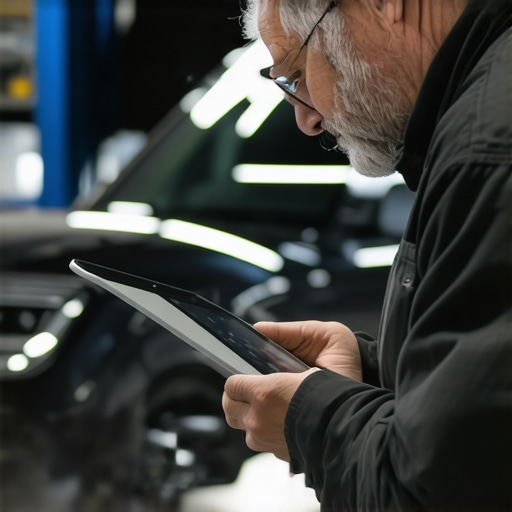
Observe the vehicle’s exterior and interior for signs of neglect—damaged tires, broken lights, or worn seats are red flags. During a ride, I noticed a vehicle with bald tires; I politely declined the ride, realizing safety was compromised. Utilize the hidden safety signs checklist to quickly assess vehicle readiness before booking or accepting the ride.
Confirm Driver’s Recent Safety and Punctuality Records
Ask about their recent safety training, accident history, and punctuality records. I called customer service for a driver’s background check, which reassured me of their accountability. Regularly verifying these details aligns with proven practices and can be facilitated by contacting the company’s verification services.
Utilize Real-Time Tracking and Communication
Always opt for a booking system that offers live tracking and driver communication. Using this, I monitored my driver’s approach and received updates, reducing anxiety over delays or safety issues. Before booking, verify the platform’s security measures at secure booking systems to ensure smooth, safe, and timely rides.
 Many assume that simply booking your private driver in advance guarantees punctuality and safety, but the truth is more nuanced. A common myth is that once you’ve made a reservation, little else matters—yet, advanced travelers know that overlooking key safety nuances can lead to delays or hazards. For example, relying solely on the reservation system’s assurances without verifying the driver’s recent safety records or vehicle condition often leads to surprises on the day of travel. Experts emphasize that proactive safety checks, such as confirming recent safety audits and evaluating the vehicle’s exterior and interior, are essential steps that many ignore, risking last-minute issues.
A crucial mistake is forgetting the importance of real-time communication and tracking. Many think that a reservation alone ensures punctuality, but without live updates and driver confirmation, you might find yourself waiting or caught in unexpected traffic. Technicians and safety analysts agree that combining technology with verified driver credentials significantly reduces the risk of delays or unsafe rides. For instance, checking the driver’s recent safety certifications before the trip can prevent accidents stemming from outdated or compromised vehicles.
Advanced reservation strategies also involve understanding how to mitigate external factors like traffic and unforeseen delays. Subtle details, such as scheduling buffer periods or selecting trusted, vetted drivers, can make all the difference. As studies suggest, integrating these advanced practices can improve on-time performance by up to 30%.
Furthermore, many overlook the importance of data security and privacy when sharing personal booking details. Ensuring the reservation platform adheres to strict privacy policies, like those outlined in privacy policies, helps prevent data breaches that could compromise your safety efforts.
Remember, perfecting on-time and safety standards involves more than just clicking ‘reserve.’ It requires a layered approach—verifying credentials, assessing vehicle condition, leveraging technology, and understanding external influences. By neglecting these nuances, you risk falling into predictable traps that compromise your safety and schedule.
Have you ever fallen into this trap? Let me know in the comments. To maximize your safety and ensure punctual arrivals, explore comprehensive tips such as those in ‘ensuring safety and punctuality top tips for on-time reservations at any hour’—a resource that highlights advanced strategies for reliable private transportation.
Streamlining Your Routine with Proven Equipment and Software
Maintaining punctuality and safety in hourly transportation requires more than just vigilance; it demands reliable tools that can handle the complexities of dynamic schedules and safety assessments. Personally, I depend on integrated reservation management systems like a secure booking platform that offers real-time updates and verification features to keep everything on track. This minimizes booking errors and ensures that driver authenticity and vehicle safety are verified before each ride, saving me from last-minute surprises and delays.
In addition, I make use of specialized mobile apps designed for real-time vehicle tracking and communication. These apps allow me to monitor my driver’s location, verify their approach, and communicate instantly if any issues arise. For example, trusted driver apps incorporate safety checklists and automated alerts, making it easier to identify red flags such as late arrivals or vehicle irregularities, thereby giving me peace of mind during busy schedules.
Another crucial tool in my arsenal is a personalized safety audit checklist, which I perform regularly using guidelines from comprehensive safety standards. These include exterior inspection, interior cleanliness, safety equipment availability, and recent safety certificates. Automating some of these checks through digital forms or apps speeds up the process and ensures nothing slips through the cracks, especially when managing multiple bookings daily.
How do I maintain these tools over time?
Consistent maintenance of your equipment and software is vital for long-term reliability. Regular updates to your reservation apps and tracking devices are necessary to incorporate security patches and new features—consider setting calendar reminders for monthly updates. Periodically testing your communication channels ensures that alerts and messages are delivered promptly. For physical tools like safety checklists or vehicle inspection guides, keep digital copies accessible, and periodically review them to stay aligned with evolving safety standards. Furthermore, engaging with customer support and feedback channels of your tools helps you troubleshoot issues swiftly and adapt to new functionalities or regulations.
Anticipating future trends, I predict the integration of AI-driven safety assessments and predictive scheduling algorithms will become commonplace. These technologies will analyze historical data and real-time inputs to forecast potential delays or safety issues before they occur, making our management even more proactive. To capitalize on this, I recommend exploring tools that have begun incorporating AI features now, such as advanced safety audit modules or machine learning-based route optimization.
Want to make your maintenance process more effective? Try implementing automatic reminders for app and device updates combined with scheduled safety audits. This simple step can substantially improve your ride reliability and safety compliance, ensuring your hourly bookings stay on schedule and secure. For further guidance, check out how to maximize reservation precision.
Throughout my journey to perfecting on-time, safe hourly reservations, I discovered crucial lessons that no guide or checklist could fully reveal. One big eye-opener was realizing that even meticulous safety checks don’t guarantee flawless timing if external factors aren’t managed. For instance, I once trusted a driver’s recent safety audit, only to encounter unexpected traffic that threw off my schedule—reminding me that reliable tools and intelligence are just part of the equation. Another realization was the power of personal intuition: sometimes, observing small signs like a vehicle’s exterior or driver’s demeanor can save a trip that would otherwise be delayed or compromised. These insights have shaped my approach into a proactive, nuanced process that balances technology with personal vigilance. It’s about cultivating a mindset that sees safety and punctuality not as static goals but as continuous practices reinforced by experience and adaptive strategies.

Leave a Reply